BETBEDER BGL
Betbeder, Basil Gaston Lancelot Died
Personal Information
| Rank | P/O |
| Forename(s) | Basil Gaston Lancelot |
| Surname | Betbeder |
| Gender | M |
| Age | 21 |
| Date of Death | 18-12-1937 |
Aircraft Information
| Aircraft | Handley Page Heyford III |
| Serial Number | K5183 |
| Markings | 102-W |
Memorial Information
| Burial/Memorial Country | United Kingdom |
| Burial/Memorial Place | St. Bartholomhew's Churchyard. Horley, West Sussex |
IBCC Memorial Information
| Phase | Pre-War |
| Panel Number | PRE (not yet erected on site) |
Enlistment Information
| Service | Royal Air Force |
| Squadron | 102 (Ceylon) |
| Squadron Motto | Tenate et perficite (Attempt and achieve) |
| Trade | Pilot |
| Country of Origin | United Kingdom |
Other Memorials
| Location | St. Catherine's Church Barmby Moor, East Yorkshire |
| Country | United Kingdom |
| Memorial Type | Roll of Honour in wall mounted wooden case, Sqn Badge above |
| Memorial Text | 102 (Ceylon) Sqn Roll of Honour and Sqn badge |
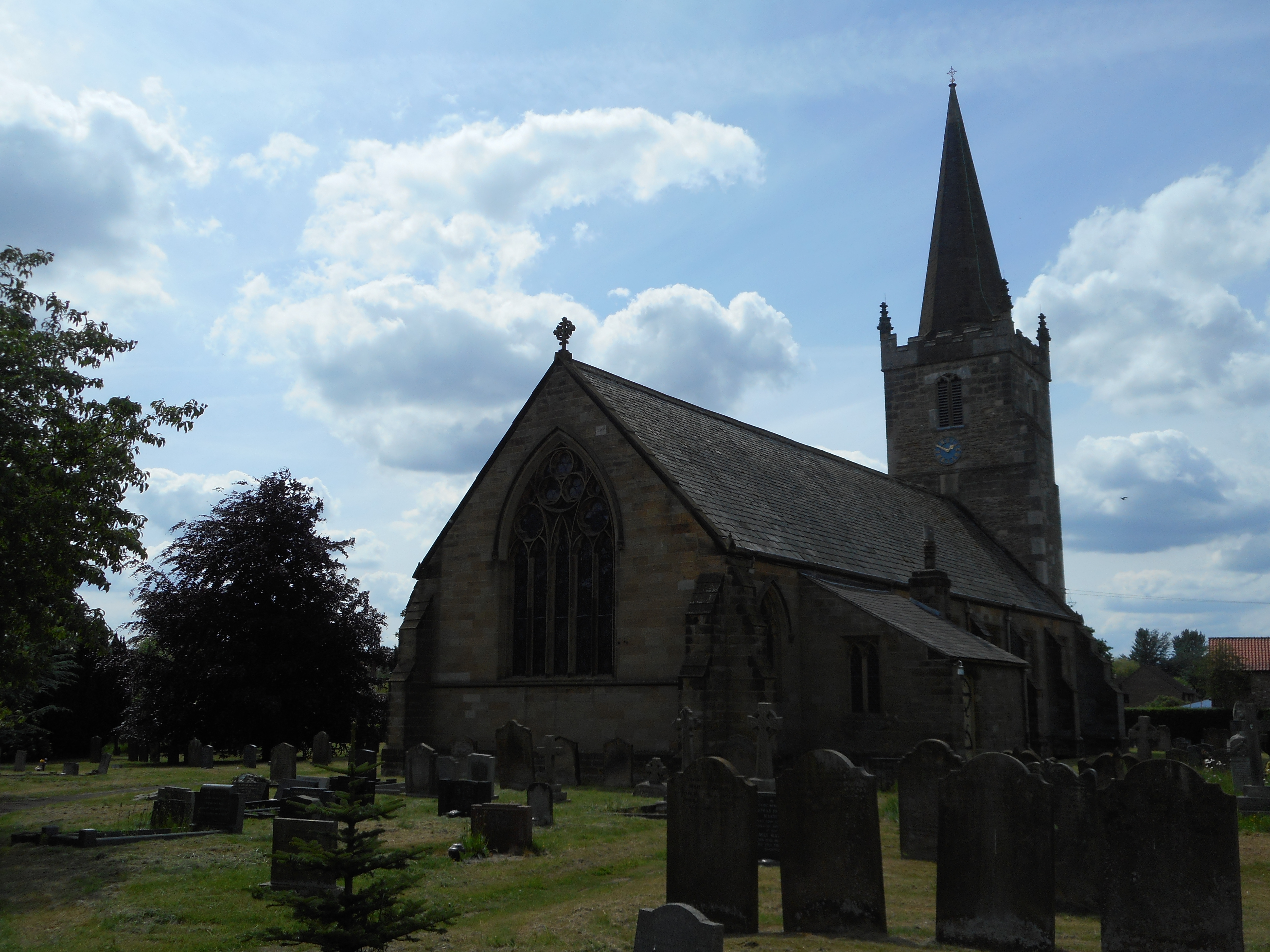
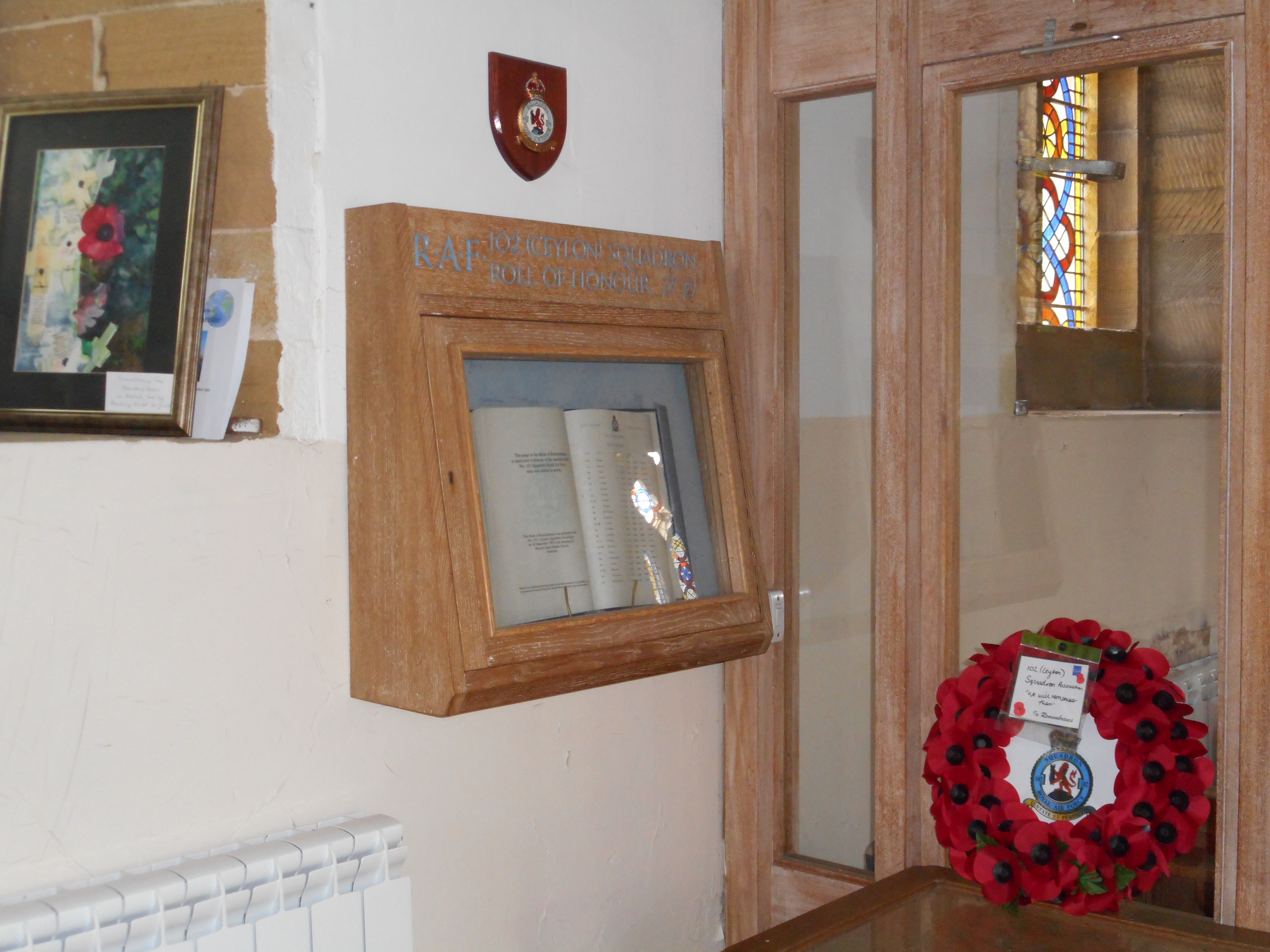
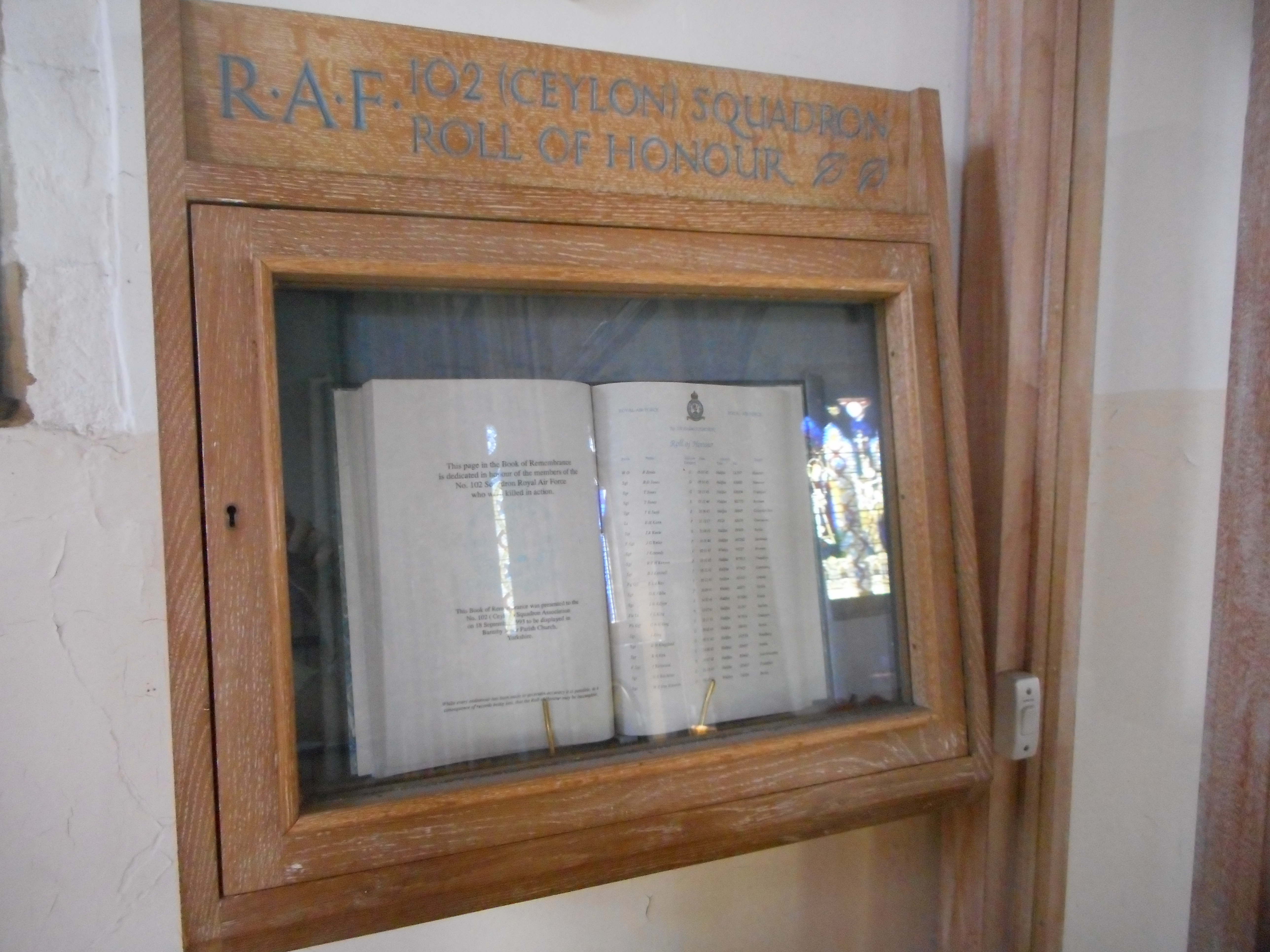
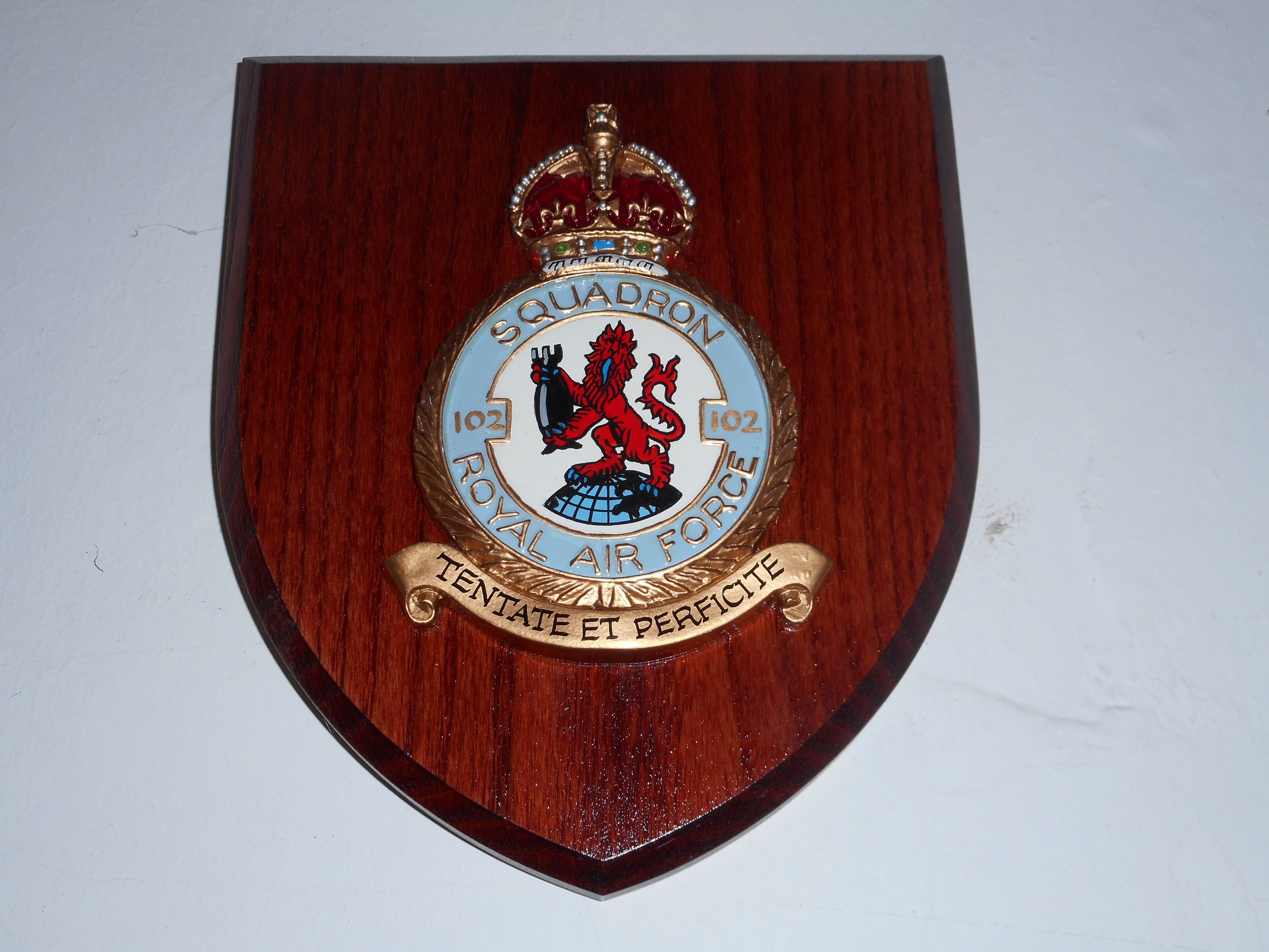
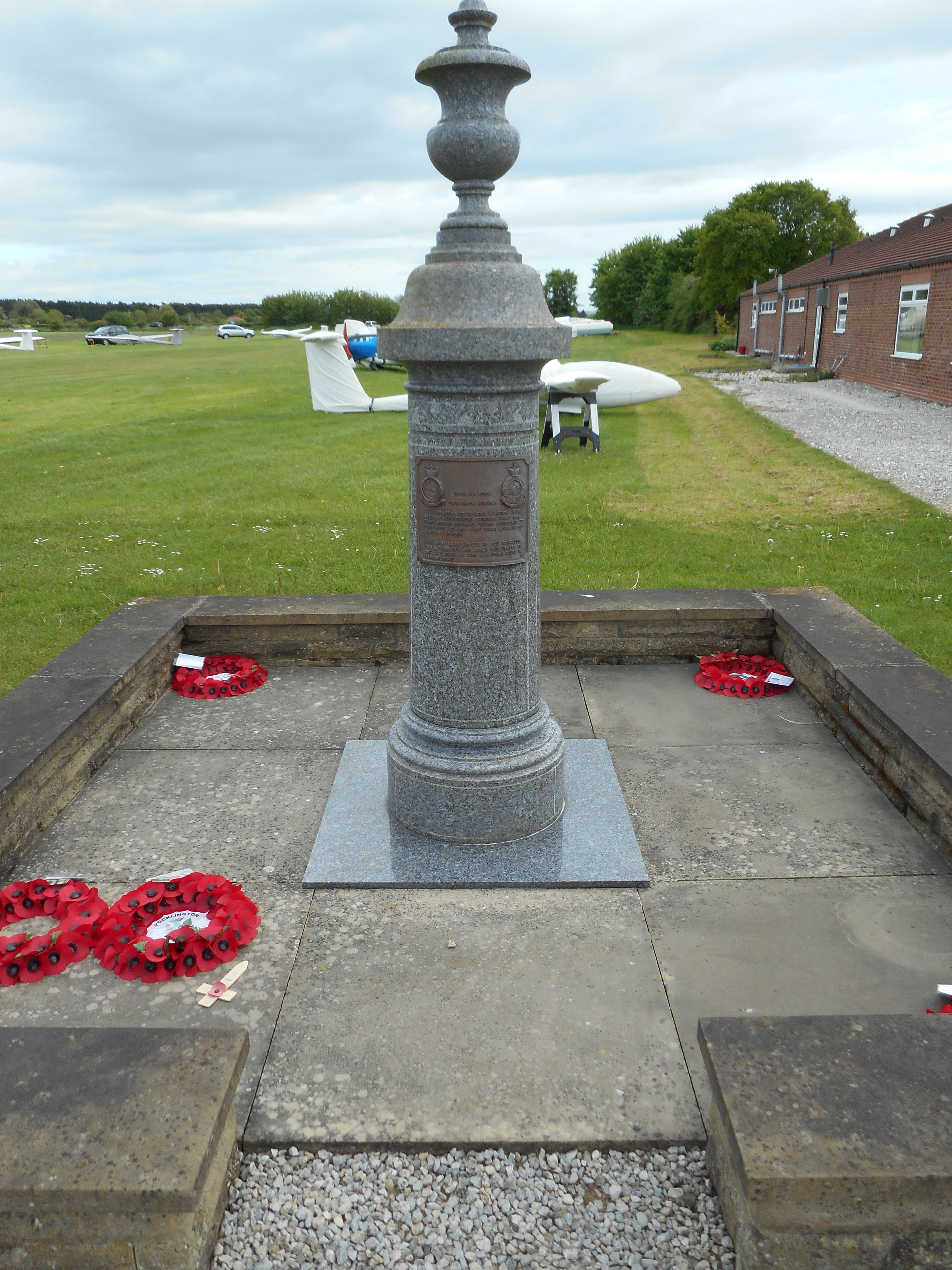
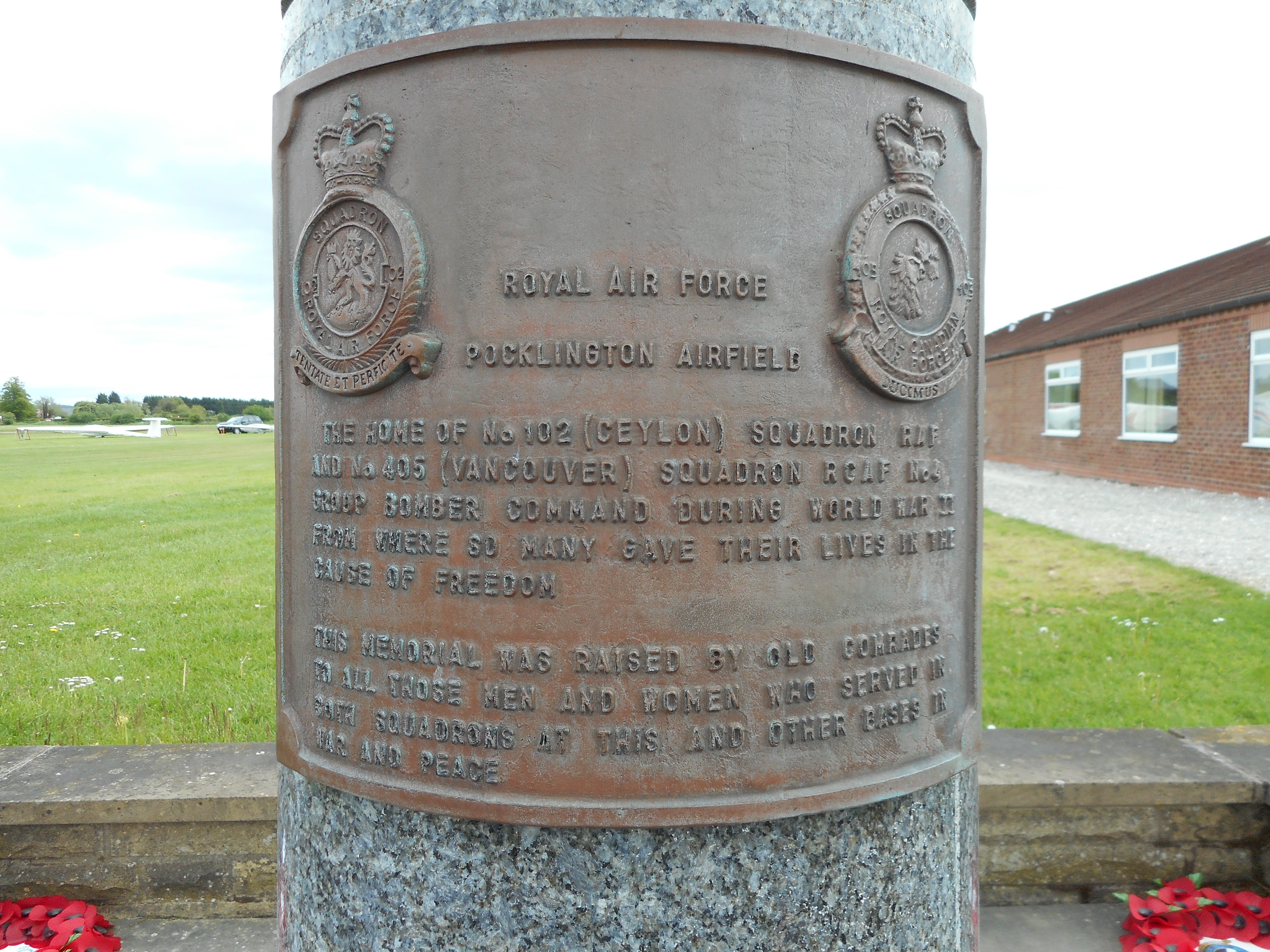
| Location | Pocklington Gliding Club, Pocklington Airfield, Easy Yorkshire |
| Country | United Kingdom |
| Memorial Type | Stylised Memorial with inscribed metal plaque |
| Memorial Text | Memorial to 102 (Ceylon) Sqn RAF and 405 (Vancouver) Sqn RCAF which served at RAF Pocklington during WW2 |
Miscellaneous Information
| Died two days later of his injuries. |
Fellow Servicemen
Please note that this list gives all the losses aboard the quoted aircraft and occasionally these may have occurred on an earlier date when the aircraft was not itself lost. Please check the dates of death carefully.
| Name | Outcome |
|---|---|
| Bunting T A (P/O) | Died |
Last Operation Information
| Start Date | 16-12-1937 |
| End Date | 16-12-1937 |
| Takeoff Station | Honington |
| Day/Night Raid | Day |
| Operation | Training |
| Reason for Aircraft Loss | Aircraft crashed on landing at RAF Honington, Suffolk. Two crew injured, one further uninjured. An inquest found that the pilot had misjudged his height and had not levelled out early enough and as a result struck the ground with great force. One of the survivors Pilot-Officer Lawrence MacFarlane gave the following account to the coroner: "It was very dark at the time and difficult to see the ground. I was standing up in the back. All of a sudden the ground came up at terrific speed. I braced myself for the impact. It was terrific. At the same time my jaw struck the gun-ring, which knocked me out for the moment. The next thing I knew was that the machine was going over on to its back. I realised we had crashed. I fought my way out of the wreckage and rushed to the nose of the machine to extricate my friends". Pilot-Officer MacFarlane and Aircraftsman (First Class) Ernest Marrows wore slightly injured, while a fifth member of the crew, Aircraftsman (First Class) C. A. F. Kettle escaped unhurt. Pilot-Officer O. G. Horrigan, who was orderly officer at the time, described how he was standing outside the watch-house when he heard the plane approaching. The pilot gave the appropriate signal asking for permission to land, and then took up a proper position to do so. “The next thing I saw was the plane coming in to land with the engines not quite throttled back,” he went on, “and it soon became obvious that the aircraft was going to under-shoot. I expected the pilot to open out his engines in order to make more ground before landing, instead of which the aircraft maintained its angle of flight and flew straight into the ground about 100 yards before reaching the flare-path.” Asked the reason for the under-shoot, the witness said it was probable that after flying for many hours the pilot had not allowed himself sufficient time in the lower altitude to enable him to adjust his judgment for landing. The fact that he did not circle the aerodrome completely would tend to make it more difficult for him to judge the distance. Pilot-Sergt. W. C. McArthur, who was on duty as aerodrome control officer when the 'plane approached, said everything appeared to be all right until the bomber neared the ground, when there was no apparent attempt by the pilot to hold off. The machine struck the ground with terrific force and then turned straight over on its back. (précised from Bury Free Press - Saturday 25 December 1937) |