WATKINS FV
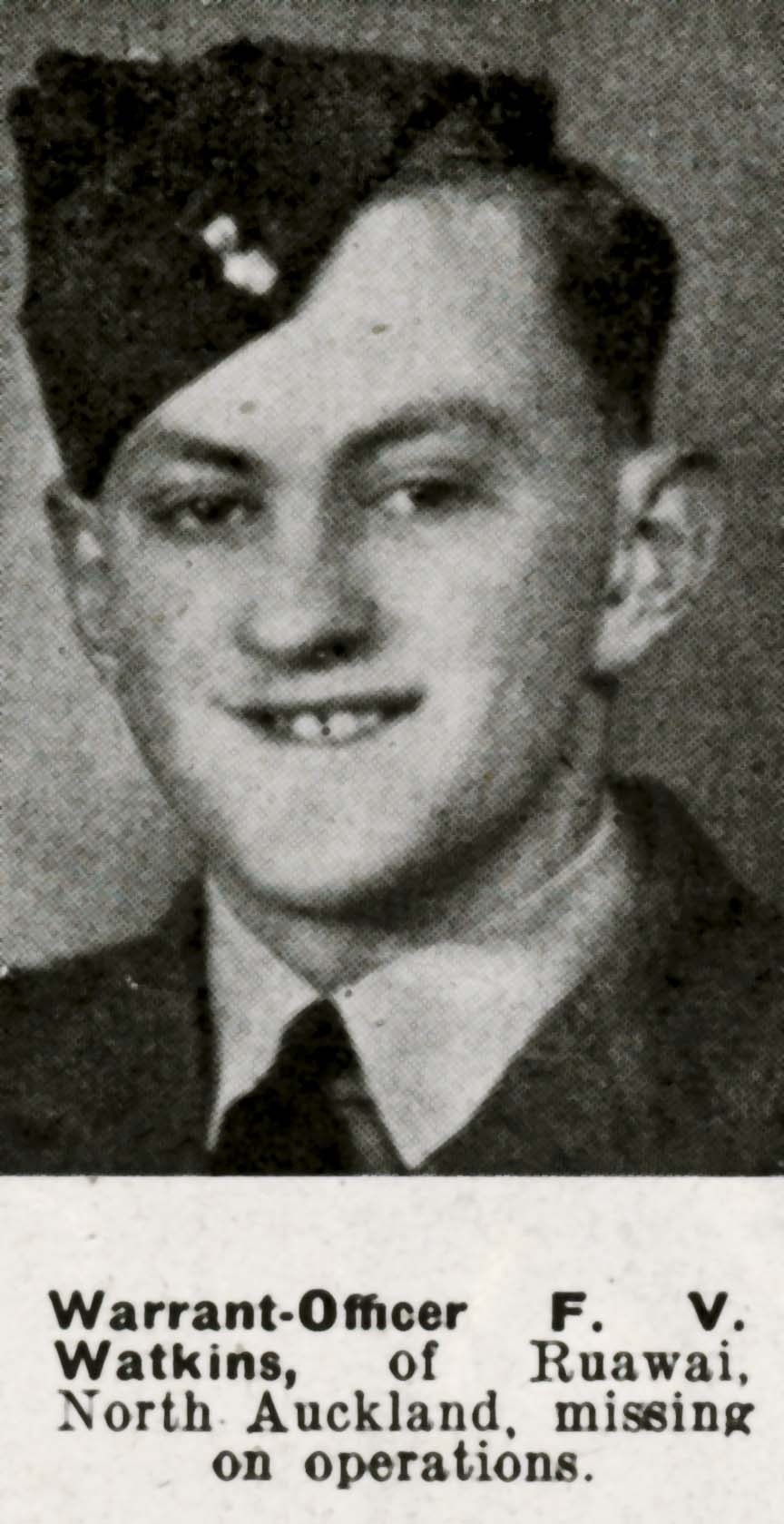
Watkins, Frank Vernon Died
Personal Information
| Rank | P/O |
| Forename(s) | Frank Vernon |
| Surname | Watkins |
| Gender | M |
| Age | 20 |
| Decorations | MiD |
| Date of Death | 20-12-1942 |
| Next of Kin | Son of Frank Arthur and Annie Watkins, of Ruawai, Auckland, New Zealand. |
Aircraft Information
| Aircraft | Vickers Wellington III |
| Serial Number | Z1660 |
| Markings | GT- |
Memorial Information
| Burial/Memorial Country | Germany |
| Burial/Memorial Place | Reichswald Forest War Cemetery |
| Grave Reference | 8. E. 18. |
IBCC Memorial Information

| Phase | 2 |
| Panel Number | 260 |
Enlistment Information
| Service Number | 404847 |
| Service | Royal New Zealand Air Force |
| Group | 8 |
| Squadron | 156 |
| Squadron Motto | We light the way |
| Trade | Pilot |
| Country of Origin | New Zealand |
Other Memorials
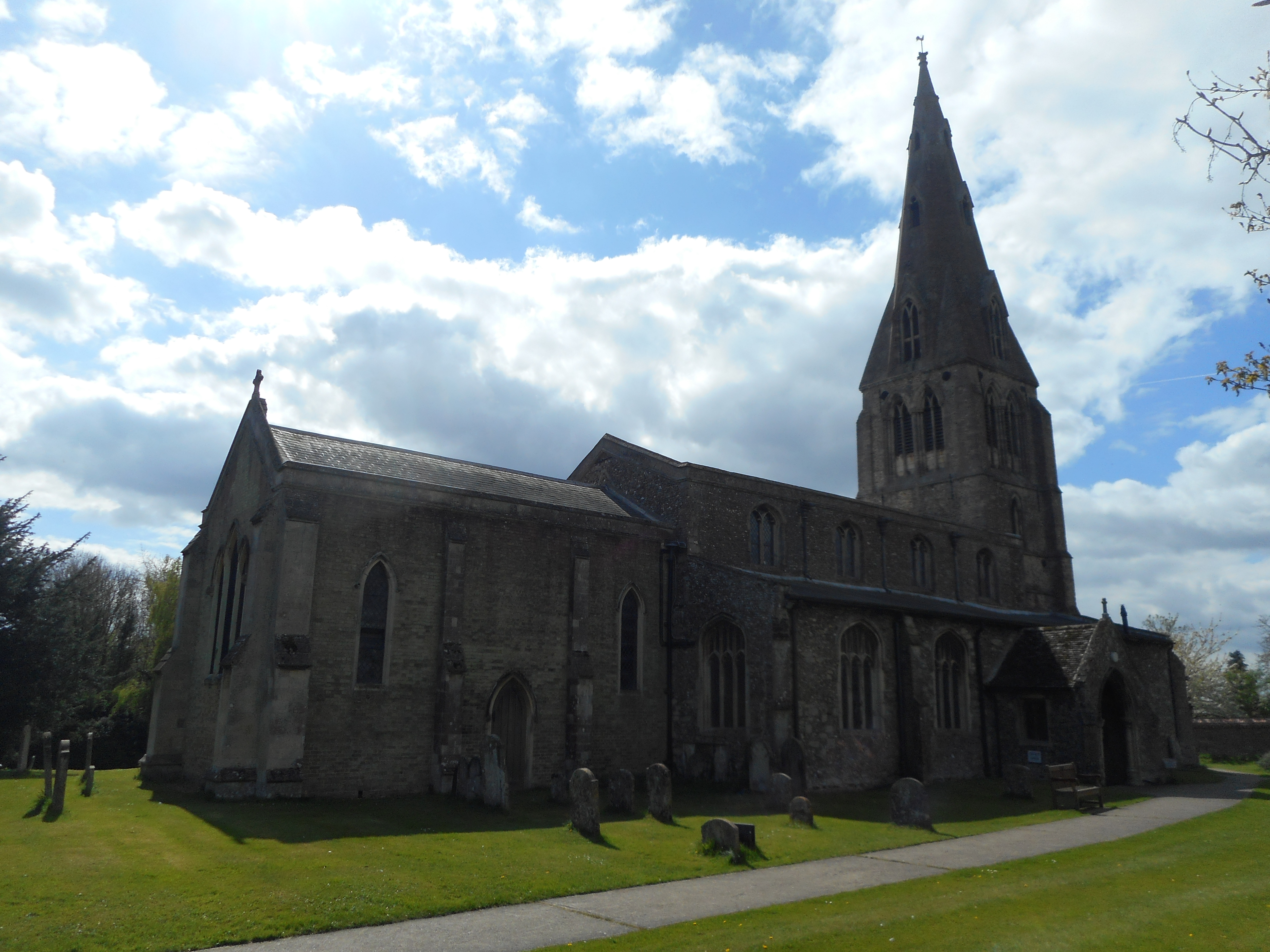
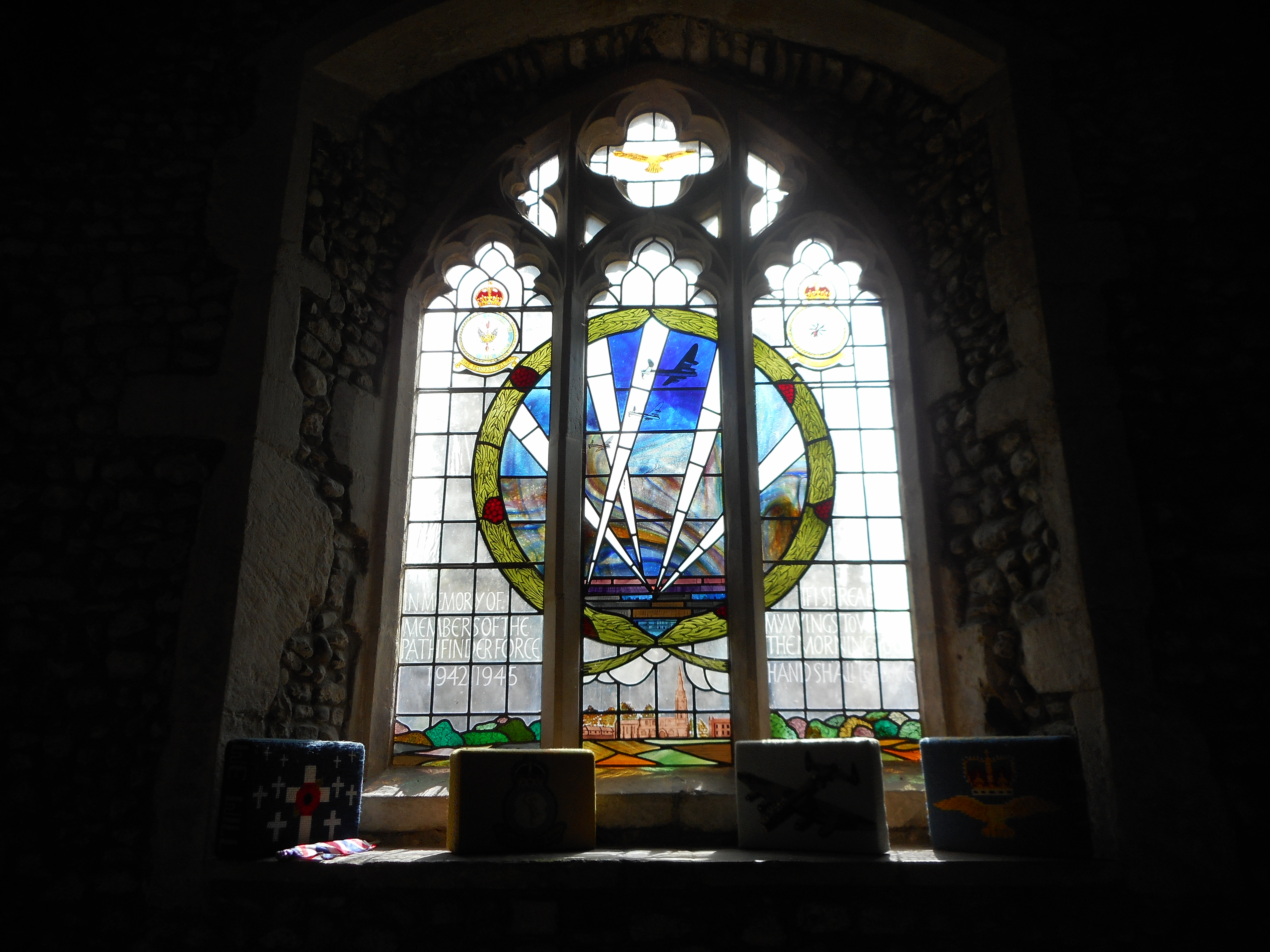
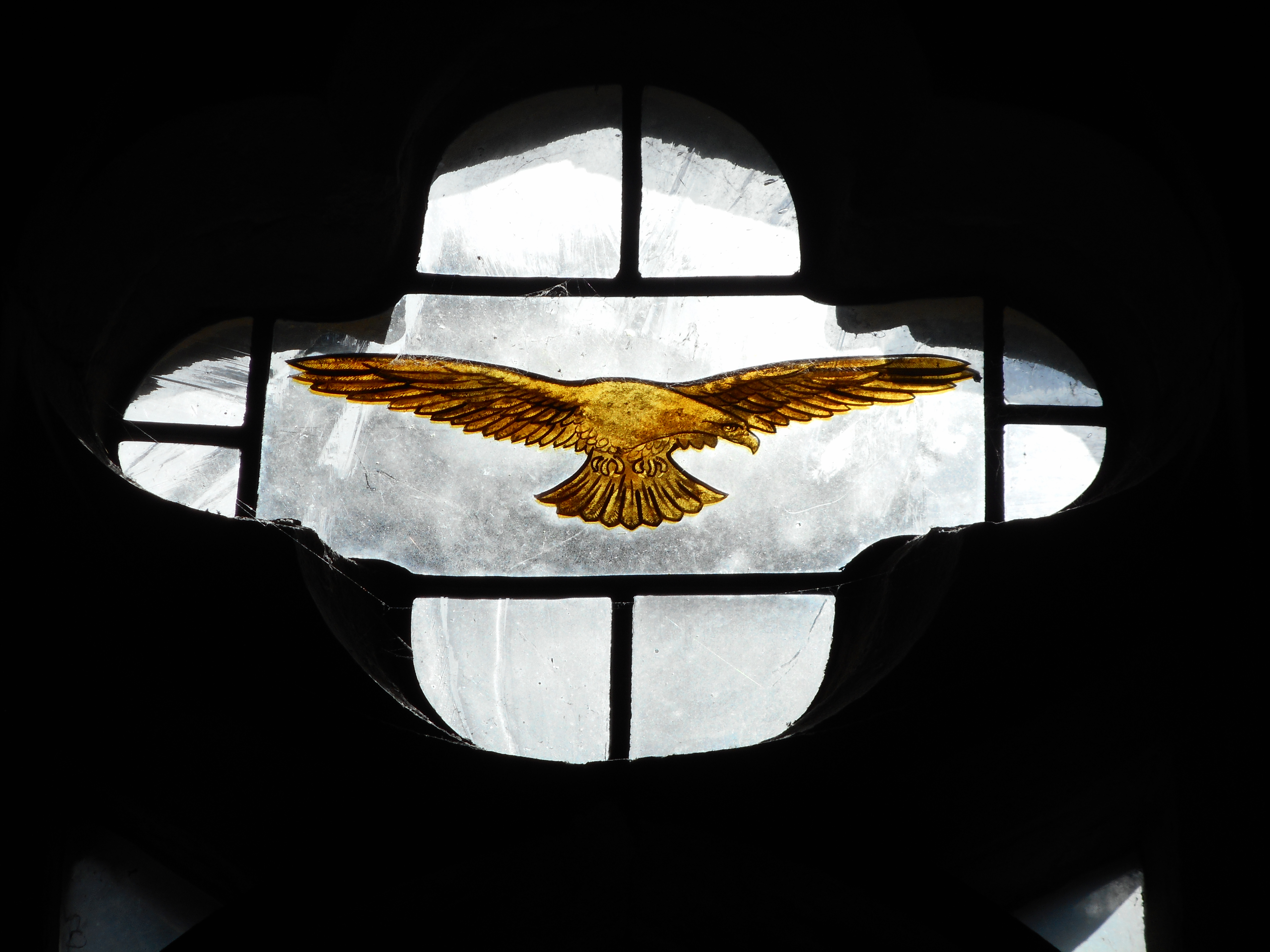
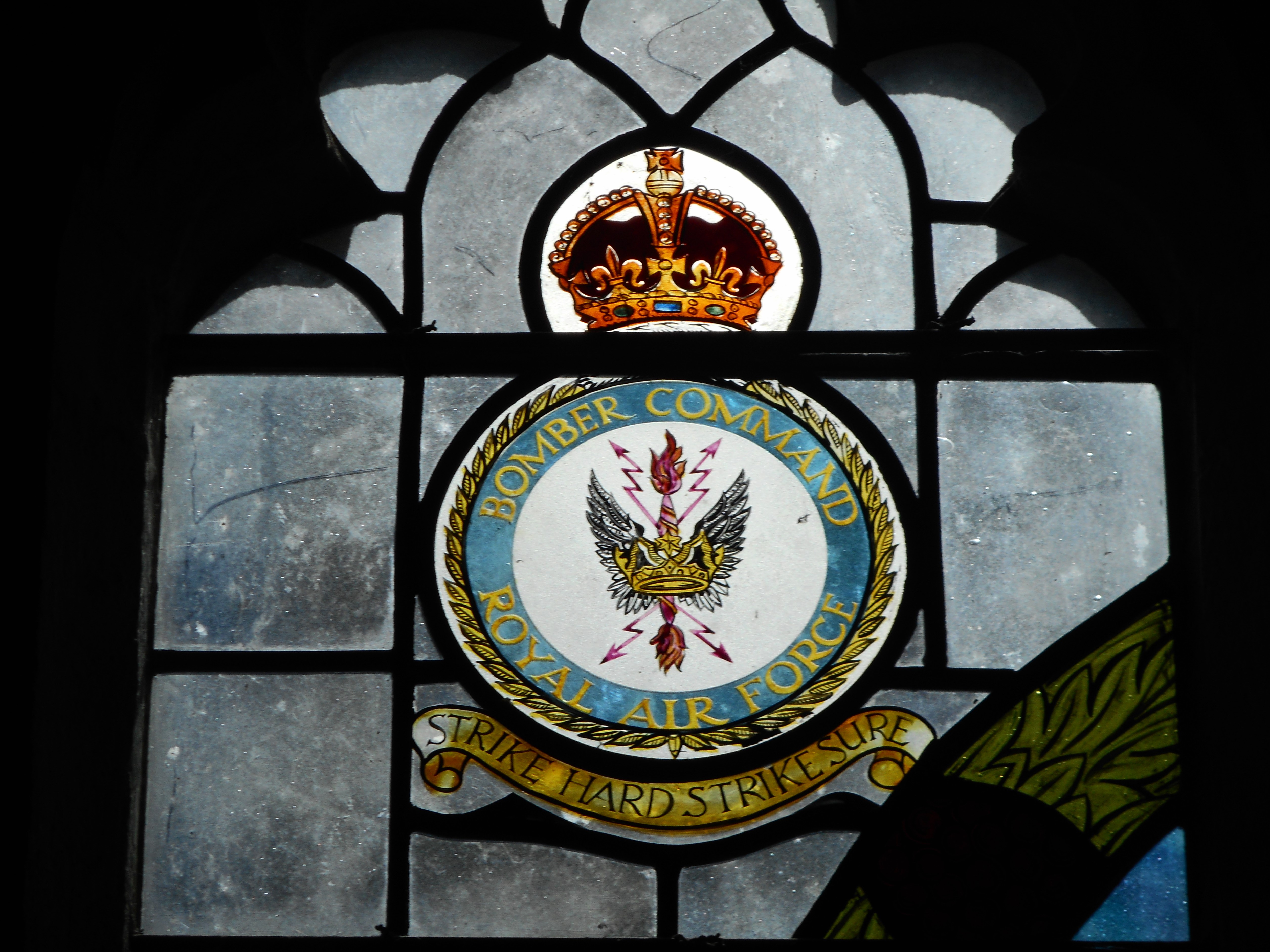
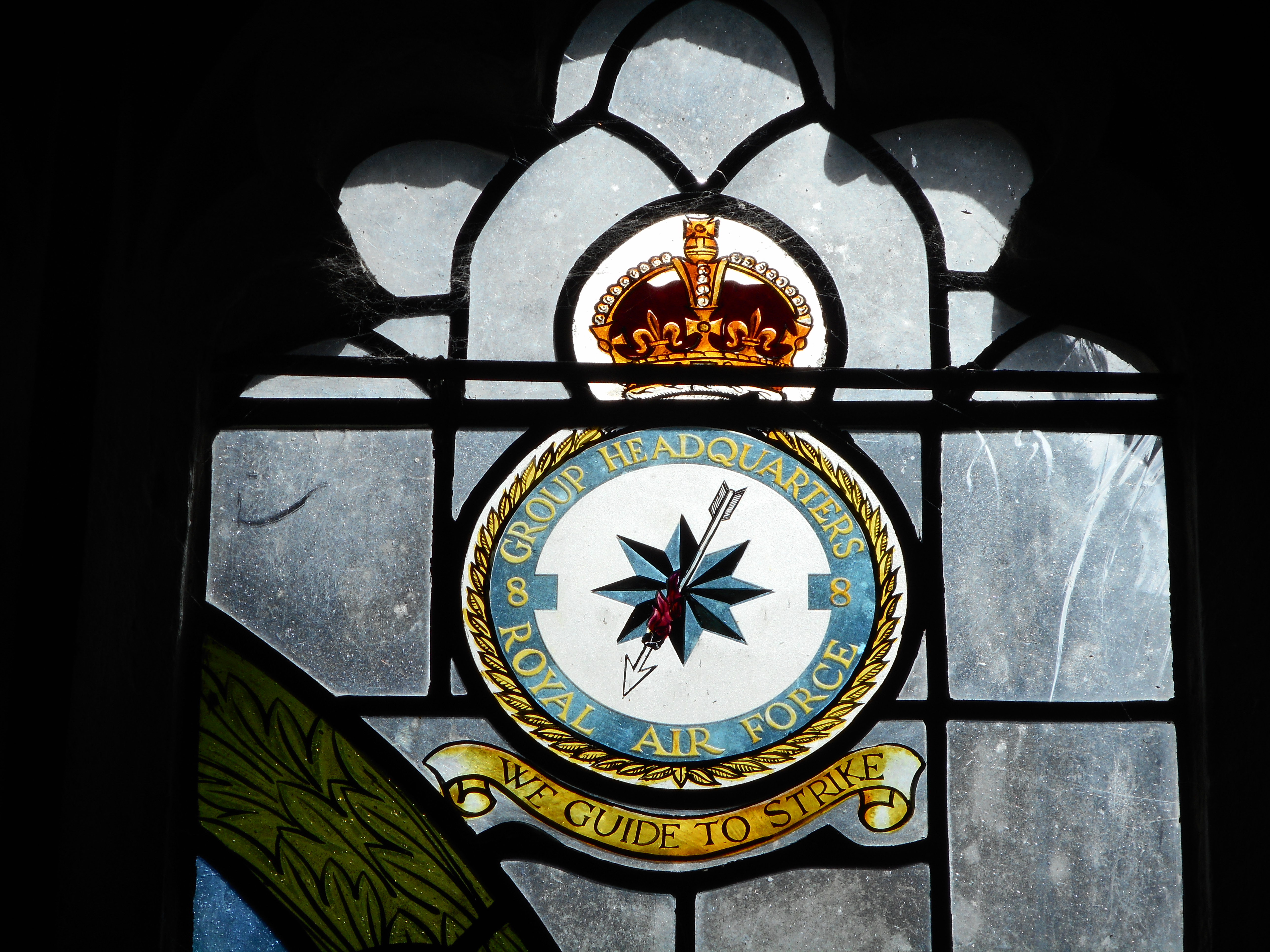
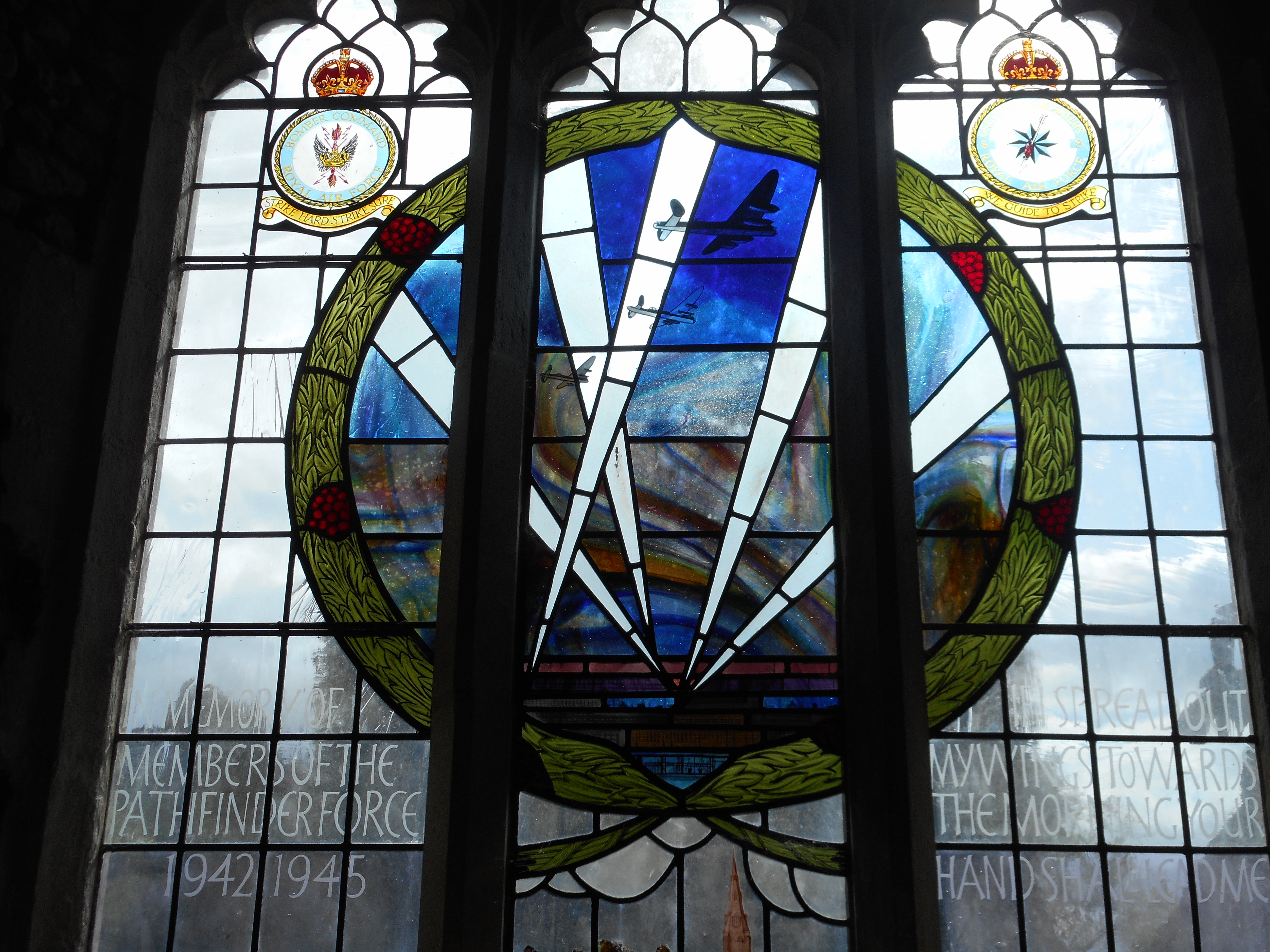
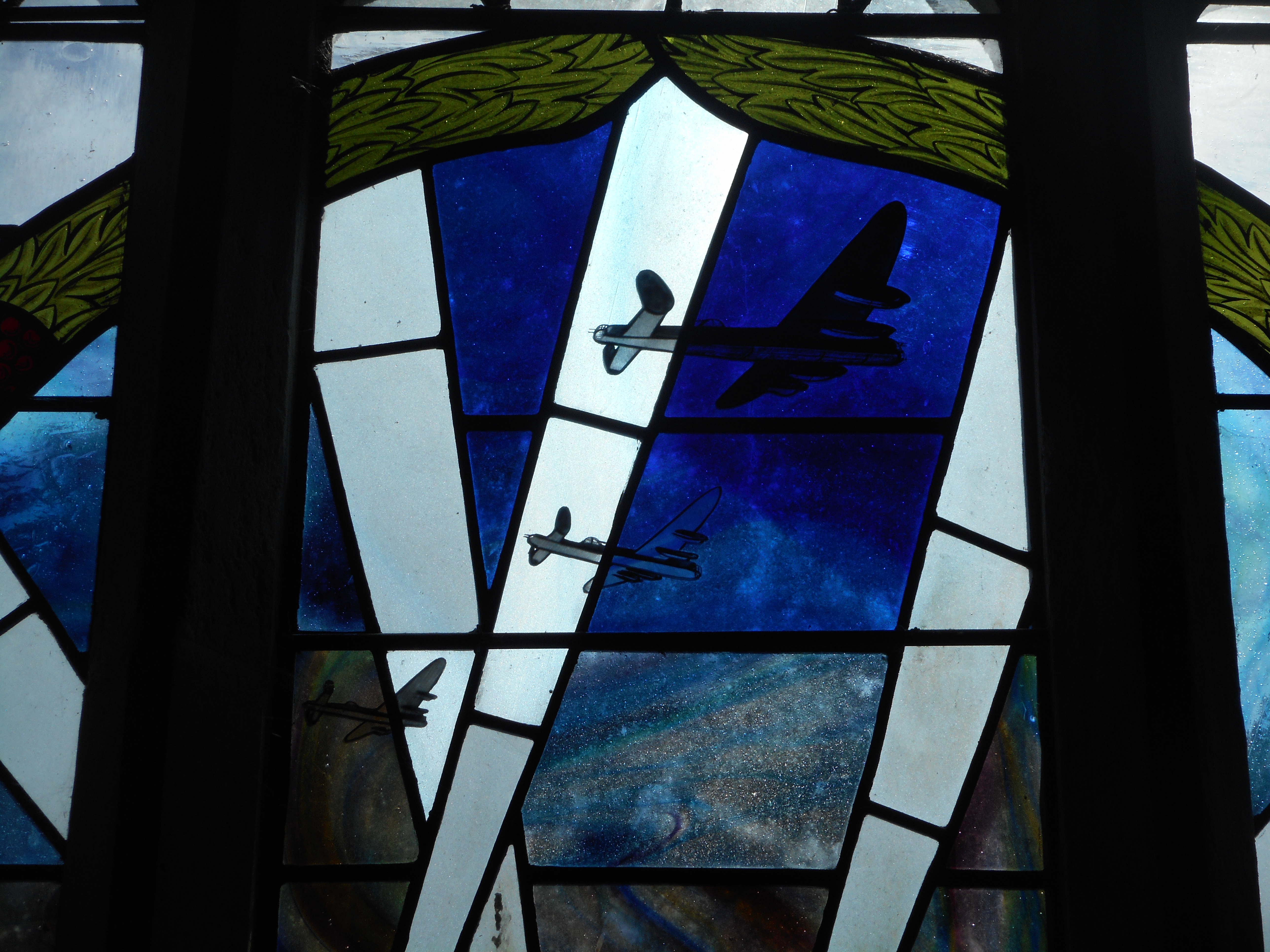
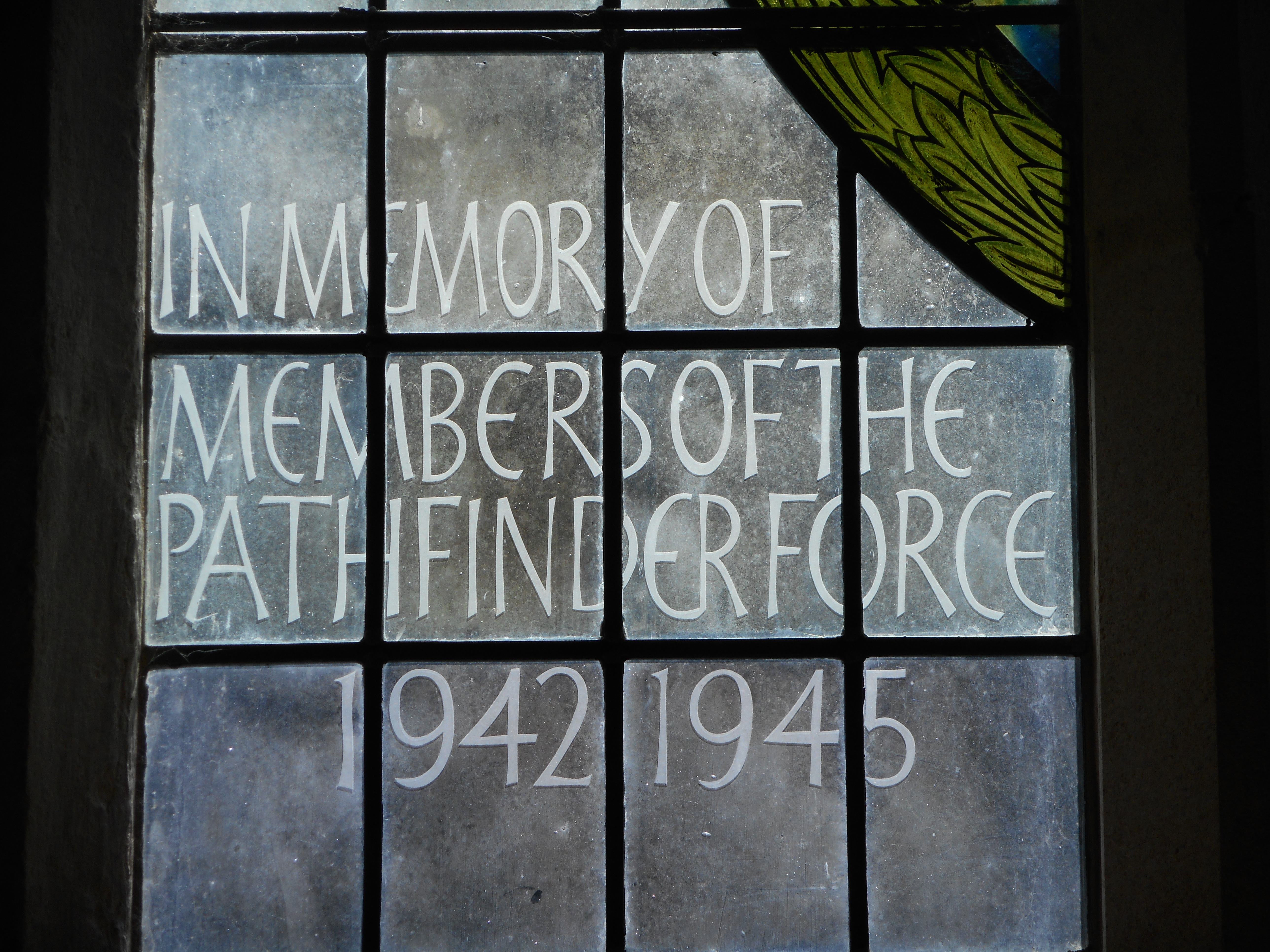
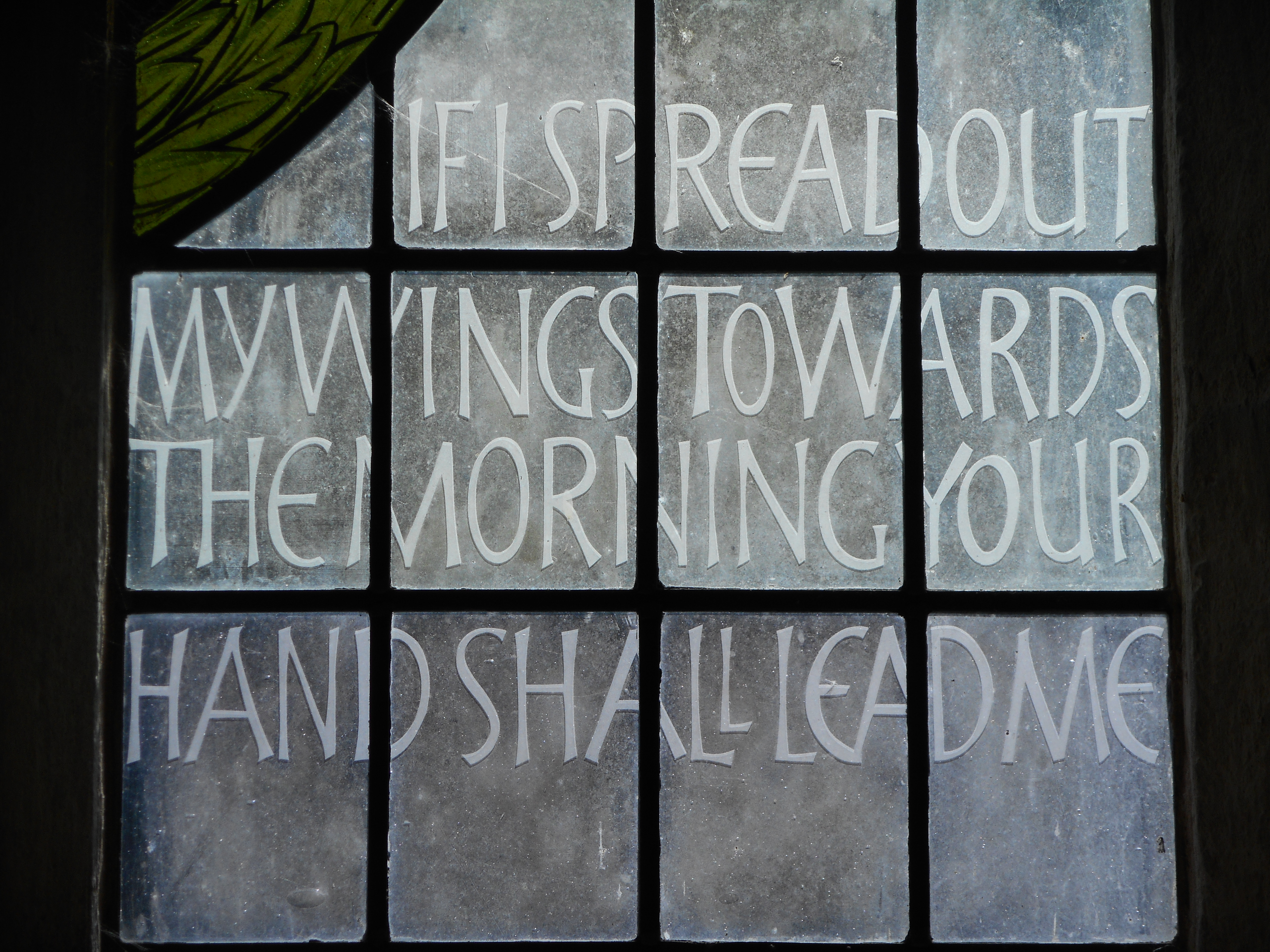
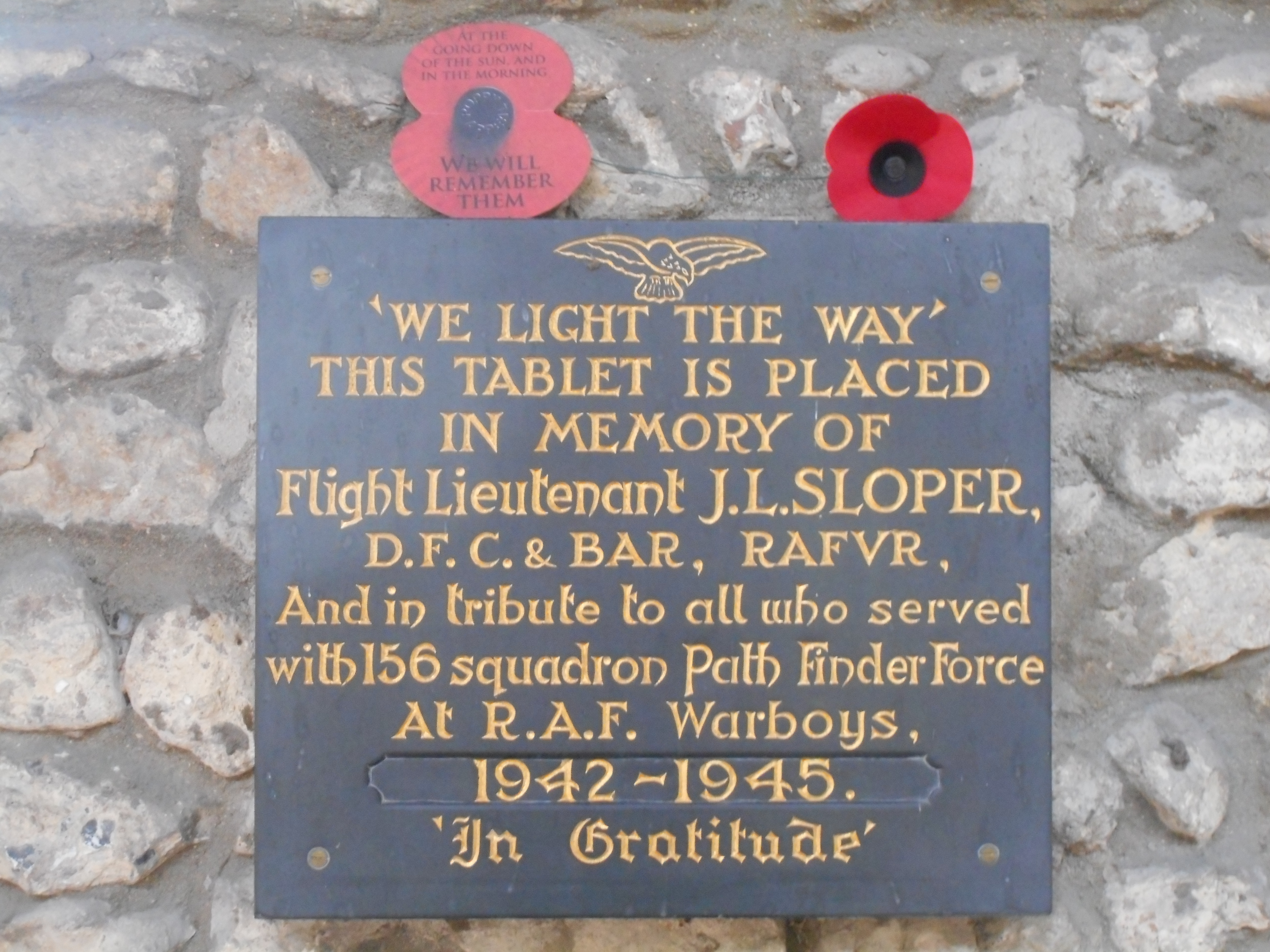
| Location | St. Mary Magdalene Church, Warboys, Cambridgeshire |
| Country | United Kingdom |
| Memorial Type | Stained Glass Window & Inscribed Slate Tablet |
| Memorial Text | We light the way" This tablet is placed in memory of Flight Lieutenant JL Sloper DFC and Bar, RAFVR. And in tribute to all who served with 156 Squadron Path Finders Force at RAF Warboys, 1942-1945, In gratitude. |
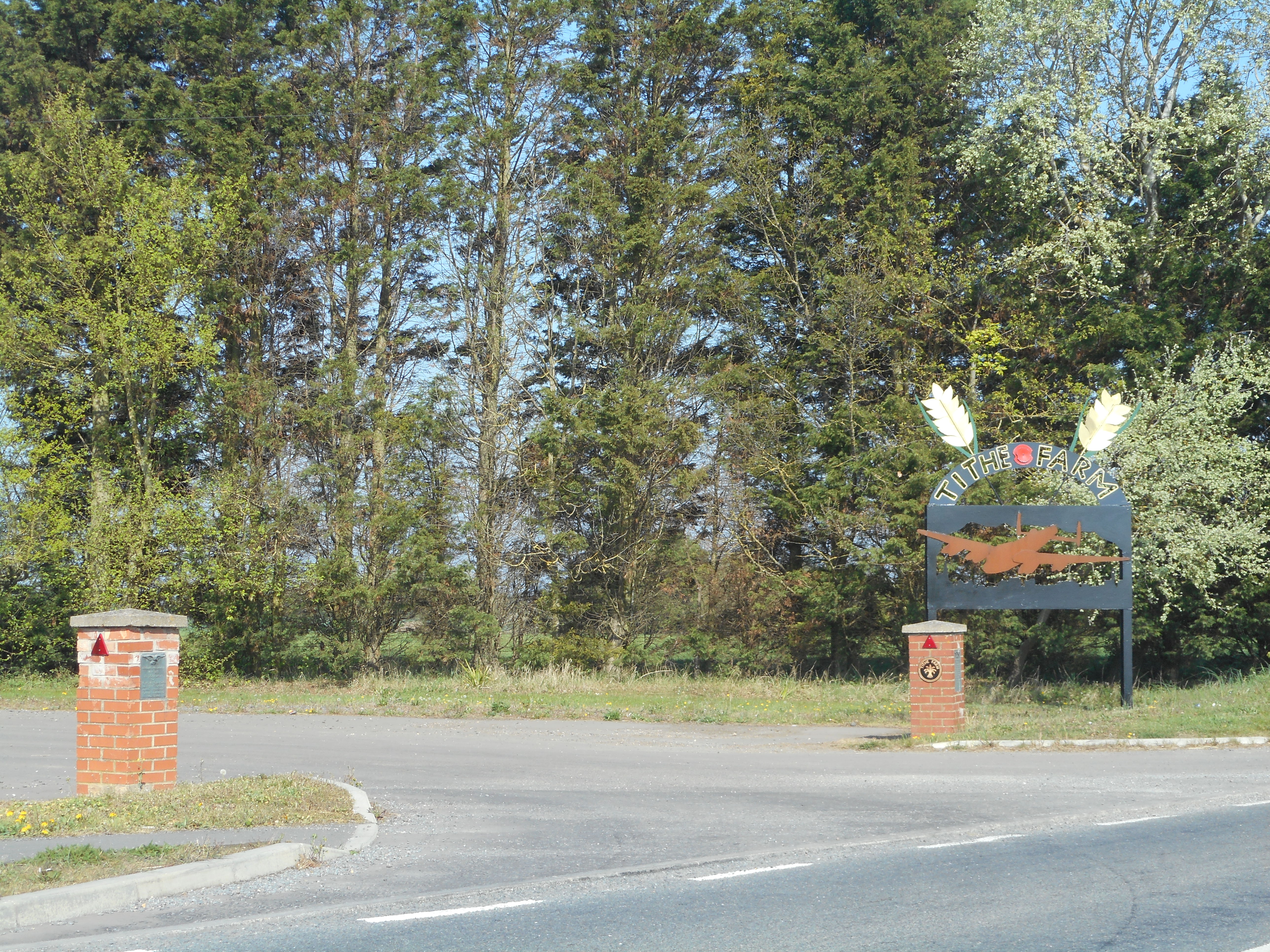
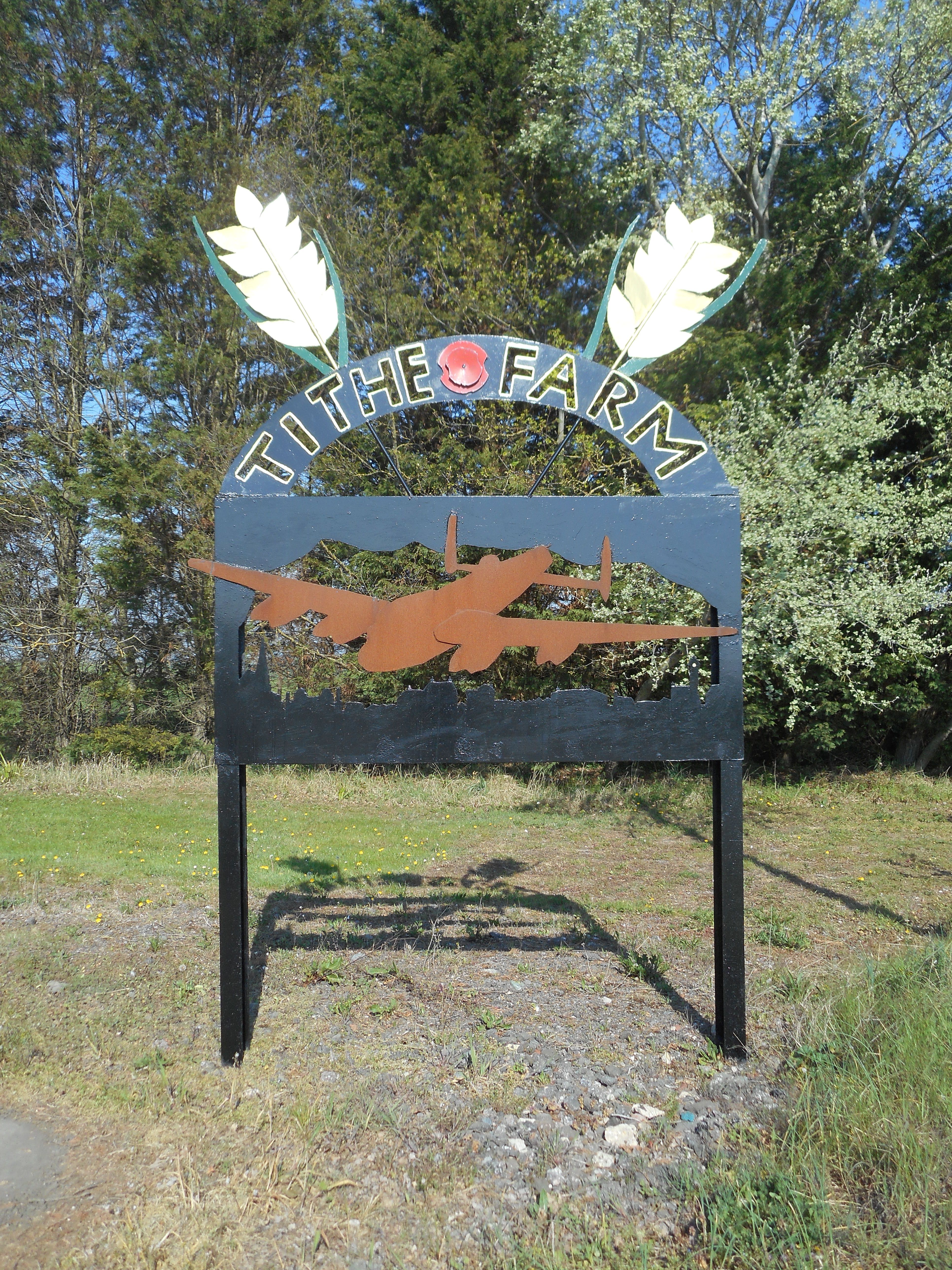
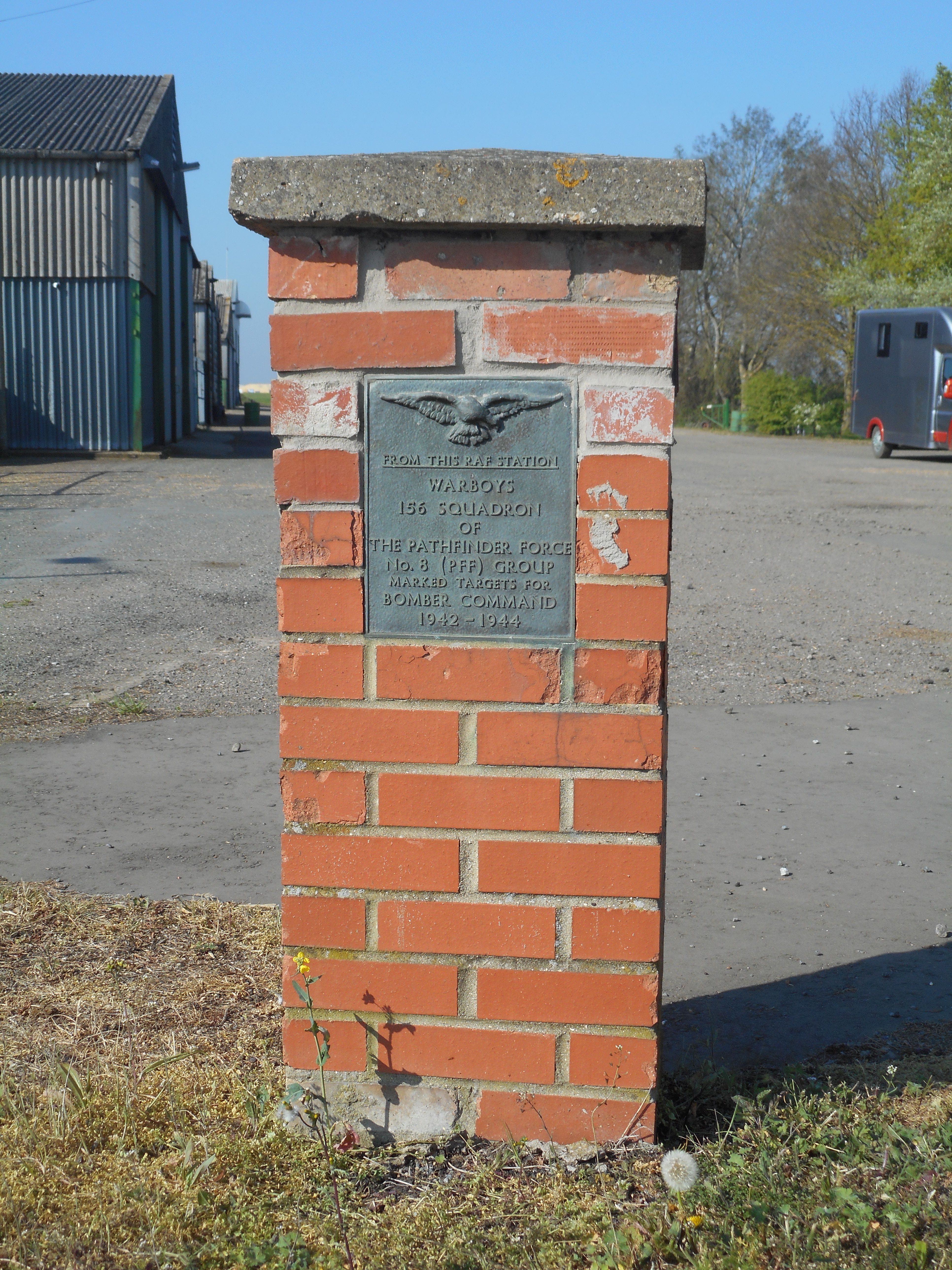
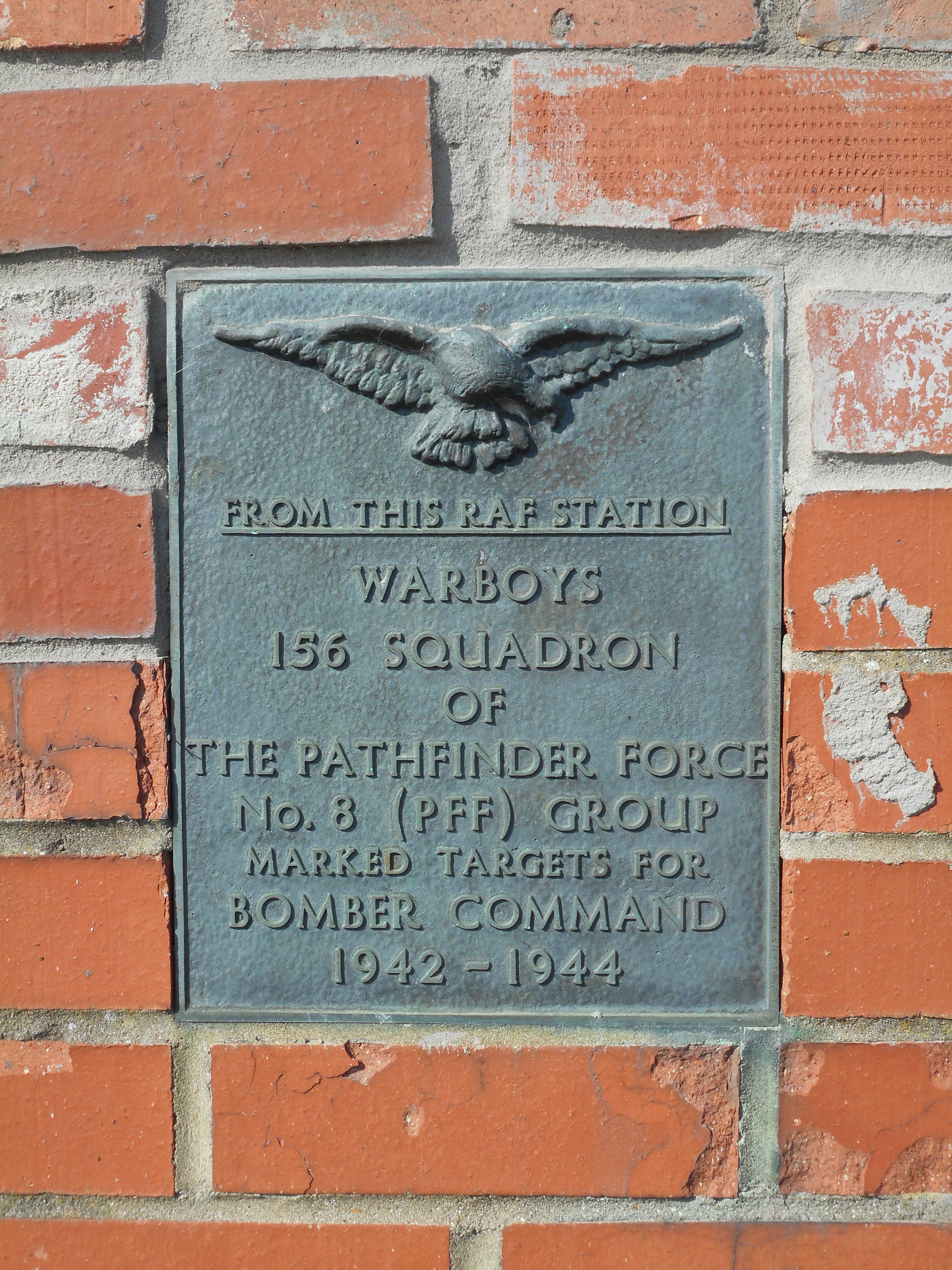
| Location | Tithe Farm, Warboys, Cambridgeshire |
| Country | United Kingdom |
| Memorial Type | Brick Pillars and inscribed Metal Plaques |
| Memorial Text | From this RAF Station Warboys 156 squadrons No 8 (PFF) group, marked targets for Bomber Command 1942-1944 |
Miscellaneous Information
| He was born in Dargaville, on the North Island of New Zealand, but grew up in Ruawai, a small farming community located a few miles away. After completing High School, Watkins moved to Wellington where he worked for the Native Lands Office. At the age of 18, he enlisted on 1 December 1940. Watkins sailed for Britain in June 1941. He was initially posted to 106 Squadron RAF where he flew five operations on Manchesters, and one with OTU, and then 21 operations flying Wellingtons with 150 Squadron based at Snaith, Yorkshire.[4] Watkins was then chosen for the recently formed pathfinders, joining 156 Squadron RAF on 1 December 1942. He was now an experienced and above average captain. (Source: Military Wiki) |
| In Carter's letter to Rivett-Carnac, he wrote: "Had he not been so devoted to his friend he could have saved his own life by leaving the dying [bomb aimer] to his fate. Yet he refused to do this and attempted the alternative crash landing ... his life was forfeited in the crash ... He willingly and selflessly gave his life in a forlorn effort to save his friend ... his actions were the most outstanding example of ... sacrifice. I am inspired by his memory". Recommending a Victoria Cross for Watkins, Rivett-Carnac mentioned his unquestionable and unequalled courage in the face of death was considered worthy of the highest award that can be made by His Majesty the King. It was noted that from the evidence of Carter's letter that Watkins had displayed the highest qualities as a captain of an aircraft. Firstly, he ordered those members of the crew who could be of no further assistance to him to bale out, and then waited until the last moment before he ordered the navigator to bale out, when in his own mind he considered that he would be forced to make a crash landing. It would appear that at no time did the question of his own safety enter Warrant Officer Watkin's mind. Group Captain Kirkpatrick, Commanding Officer of RAF Station Wyton, added his comments the same day, stating: "I heartily endorse the Squadron Commander's recommendation that the highest award be granted Warrant Officer Watkins. It was clear that he went to his death in an attempt to land knowing full well the heavy odds against his doing so in a badly damaged aircraft, in enemy territory, and at night, but hoping that the Bombardier might after all be alive, and that he might possibly effect a landing and thereby save his comrade's life. This act of unselfish sacrifice, cool devotion to duty and astonishing courage, in my opinion deserves the highest recognition by the award of the Victoria Cross". The recommendation was sent to the Air Ministry, but because the supporting evidence was insufficient at that time, it was deferred for further investigation when Carter and the rest of the surviving crew were repatriated from prisoner of war camps after the end of the war in Europe. It is not known if the crew were actually interviewed, but Watkins ultimately received only a posthumous Mention in Despatches, published in the London Gazette of 13 June 1946 (with effect from 20 December 1942). At the time, the VC and Mentions in Despatches were the only military gallantry awards made posthumously. (Source: Military Wiki) |
Commonwealth War Graves Commission
The National Archives
| Record of Events (Operational Record Book) AIR 27/1041/22 |
| Summary of Events (Operational Record Book) AIR 27/1041/22 |
Fellow Servicemen
Please note that this list gives all the losses aboard the quoted aircraft and occasionally these may have occurred on an earlier date when the aircraft was not itself lost. Please check the dates of death carefully.
| Name | Outcome |
|---|---|
| Brooke-Norris S W (P/O) | Died |
Last Operation Information
| Start Date | 20-12-1942 |
| End Date | 21-12-1942 |
| Takeoff Station | Warboys |
| Day/Night Raid | Night (97% moon) |
| Operation | Duisburg. 232 aircraft, 12 losses (5.2%). Clear conditions lead to much damage |
| Reason for Aircraft Loss | In a letter written from Stalag Luft III on 5 January 1943 to the commanding officer of 156 Squadron, Tommy Rivett-Carnac, Carter described how they'd taken direct flak directly over the target, with the bomb aimer Bill Brook-Norris being severely wounded. Watkins and Brook-Norris had flown together for some time and had become close friends. Carter stated that they had intended to inject the wounded airman with morphine and then launch him from the aircraft by parachute. While preparing for this, the Wellington was hit again and suddenly the aircraft was too low and out of control. The rest of the crew had already jumped when Watkins ordered Carter out and said he was staying. The Wellington crashed shortly afterwards killing both Watkins and Brook-Norris. Watkins and Brook-Norris were found in the crash remains in the target area and now lie together in the Reichswald Forest Cemetery. (Source: Military Wiki) |