GROZIER JE
Grozier, James Edwin Died
Personal Information
| Rank | Sgt |
| Forename(s) | James Edwin |
| Surname | Grozier |
| Gender | M |
| Age | 23 |
| Date of Death | 20-12-1943 |
| Next of Kin | Son of James and Annie Cicely Grozier, of Sunderland. |
Aircraft Information
| Aircraft | Handley Page Halifax II |
| Serial Number | HR868 |
| Markings | MH-B |
Memorial Information
| Burial/Memorial Country | United Kingdom |
| Burial/Memorial Place | Sunderland (Bishopwearmouth) Cemetery |
| Grave Reference | Ward 34. Sec. C.C. Grave 458. |
| Epitaph | ALL HE HOPED FOR ALL HE HAD, HE GAVE |
IBCC Memorial Information


| Phase | 2 |
| Panel Number | 174 |
Enlistment Information
| Service Number | 1509486 |
| Service | Royal Air Force Volunteer Reserve |
| Group | 4 |
| Squadron | 51 |
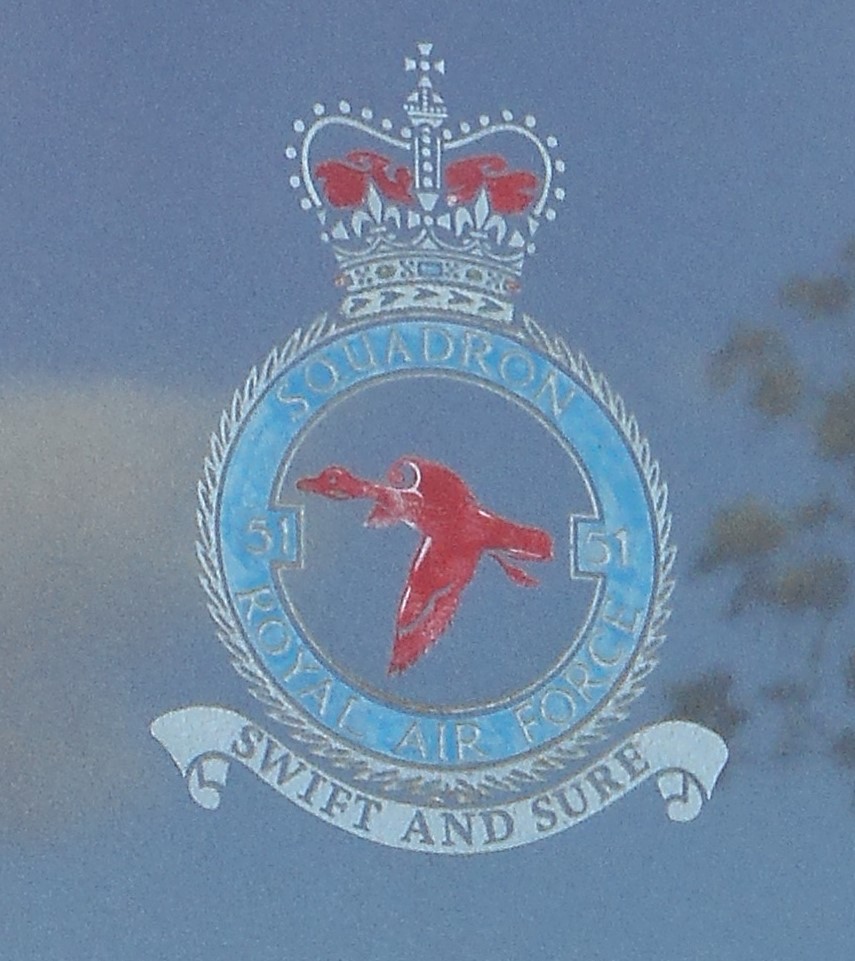
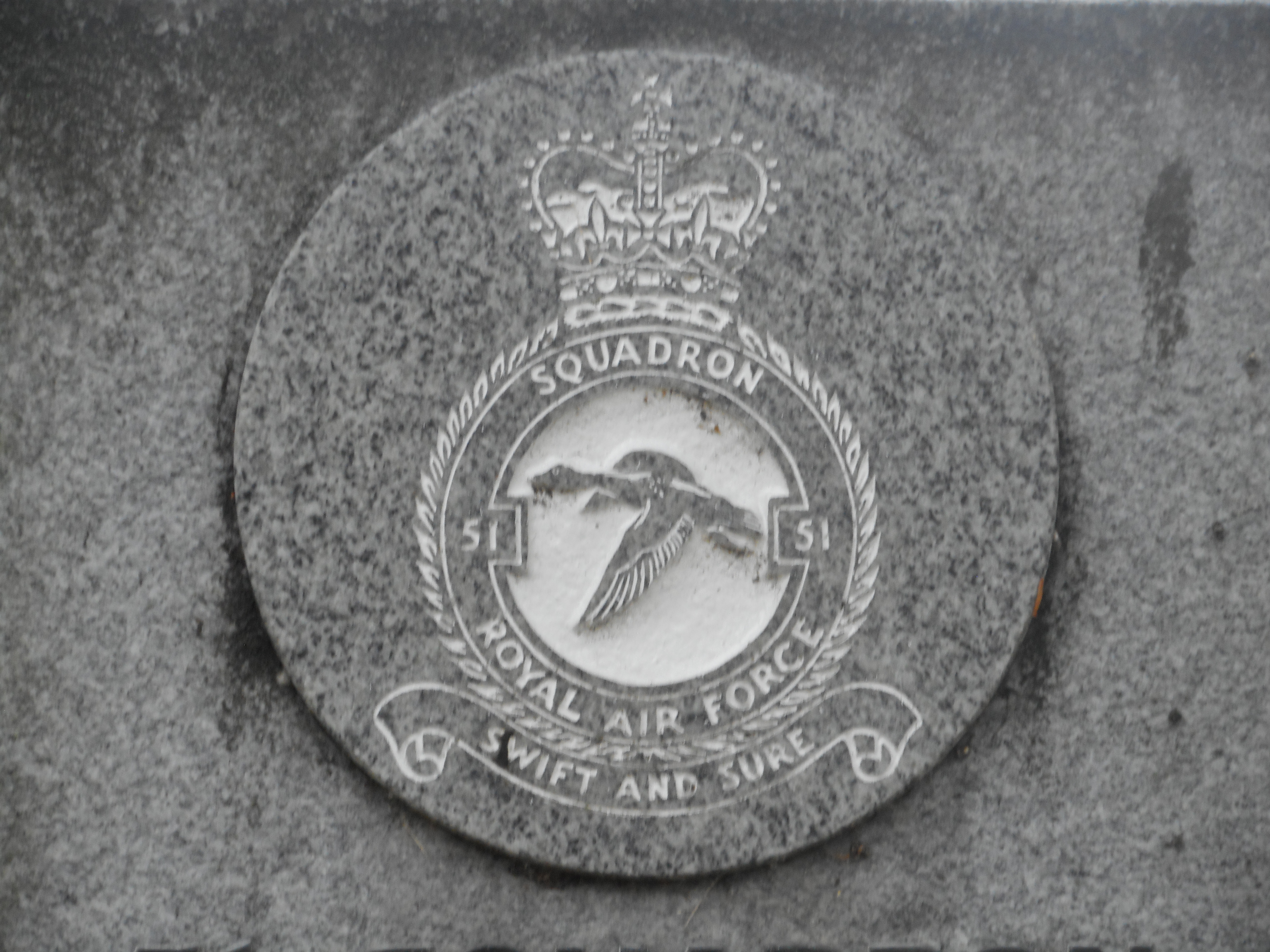
| Squadron Motto | Swift and sure |
| Trade | Air Bomber |
| Country of Origin | United Kingdom |
Other Memorials
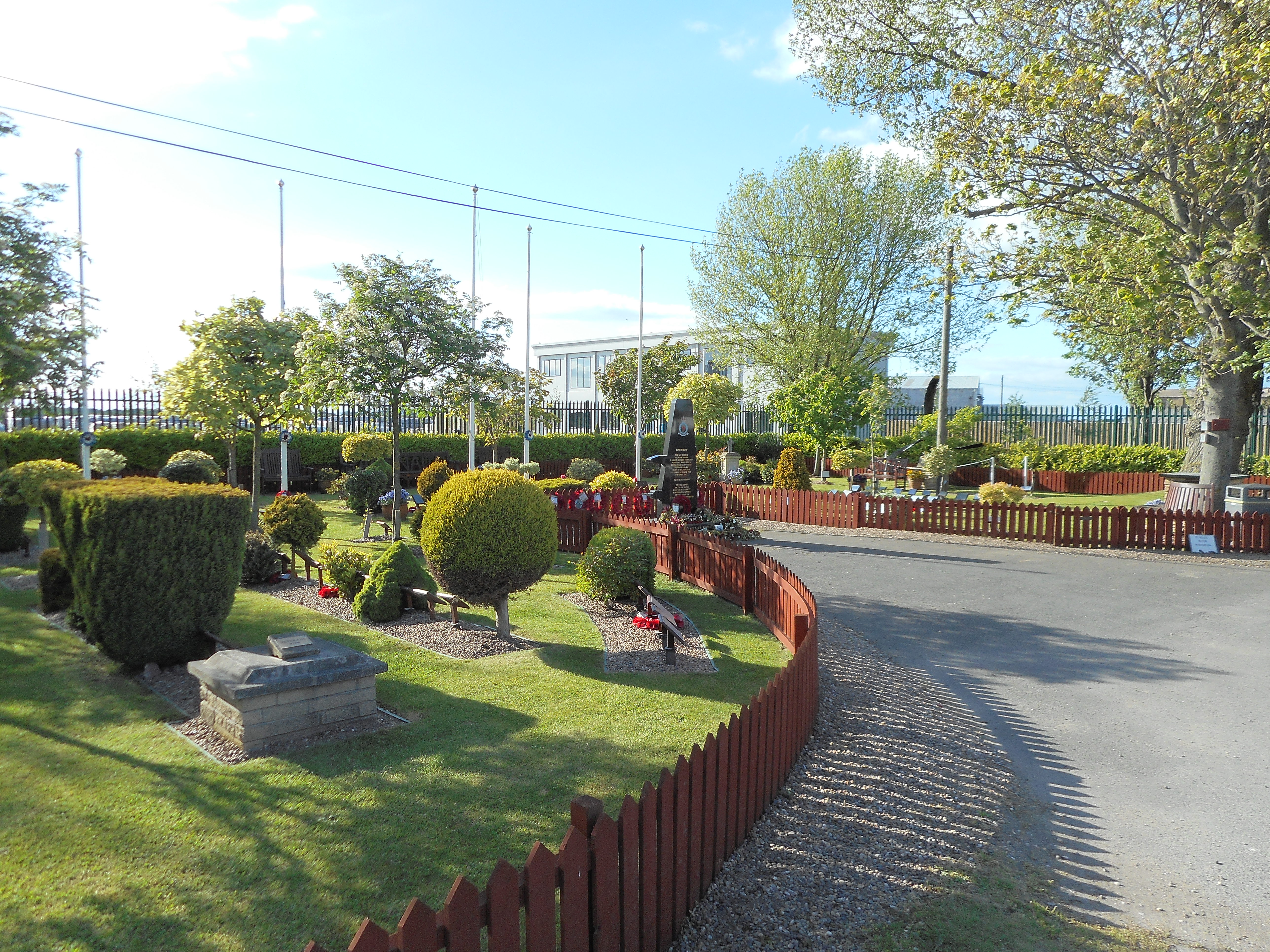
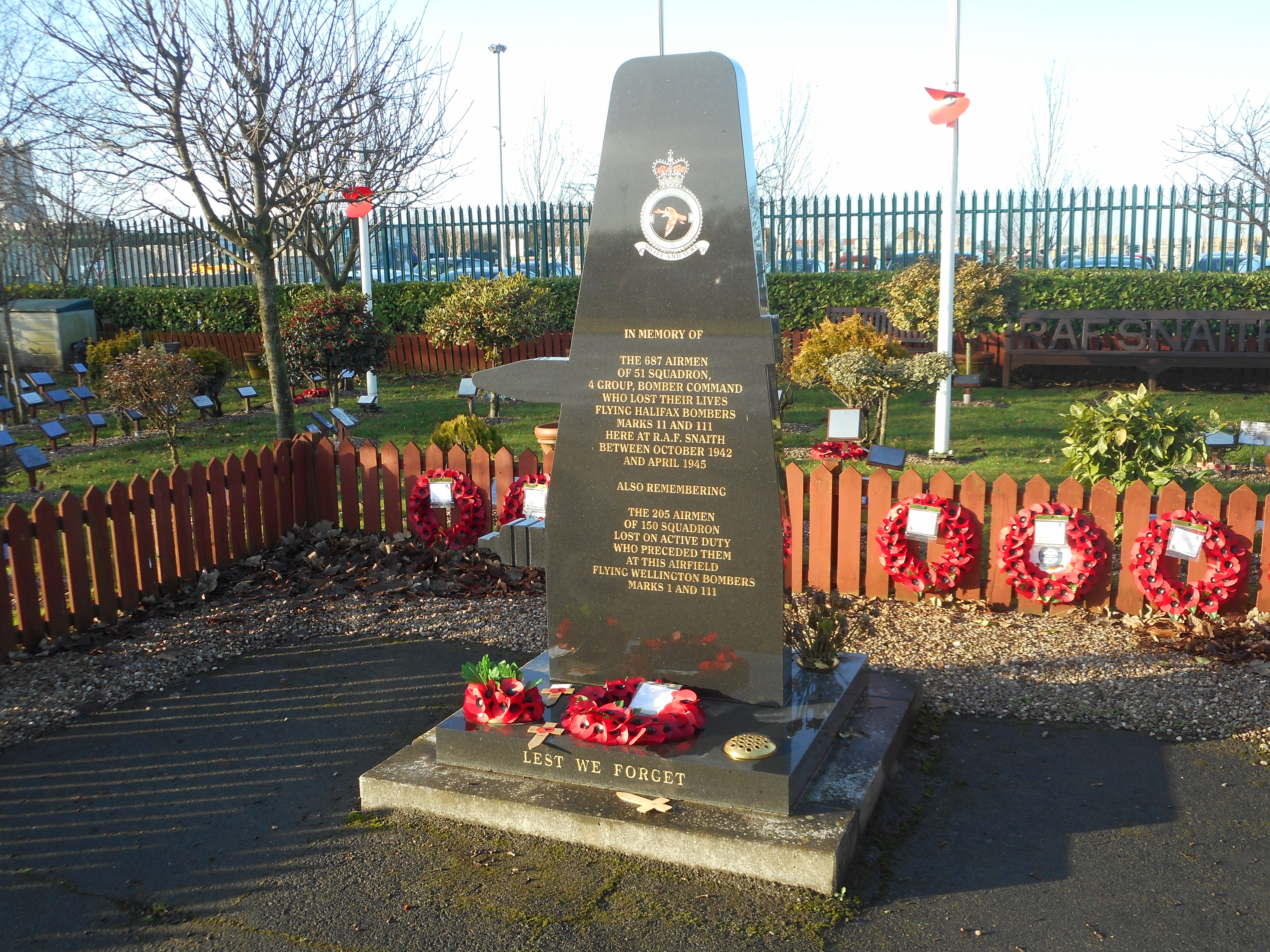
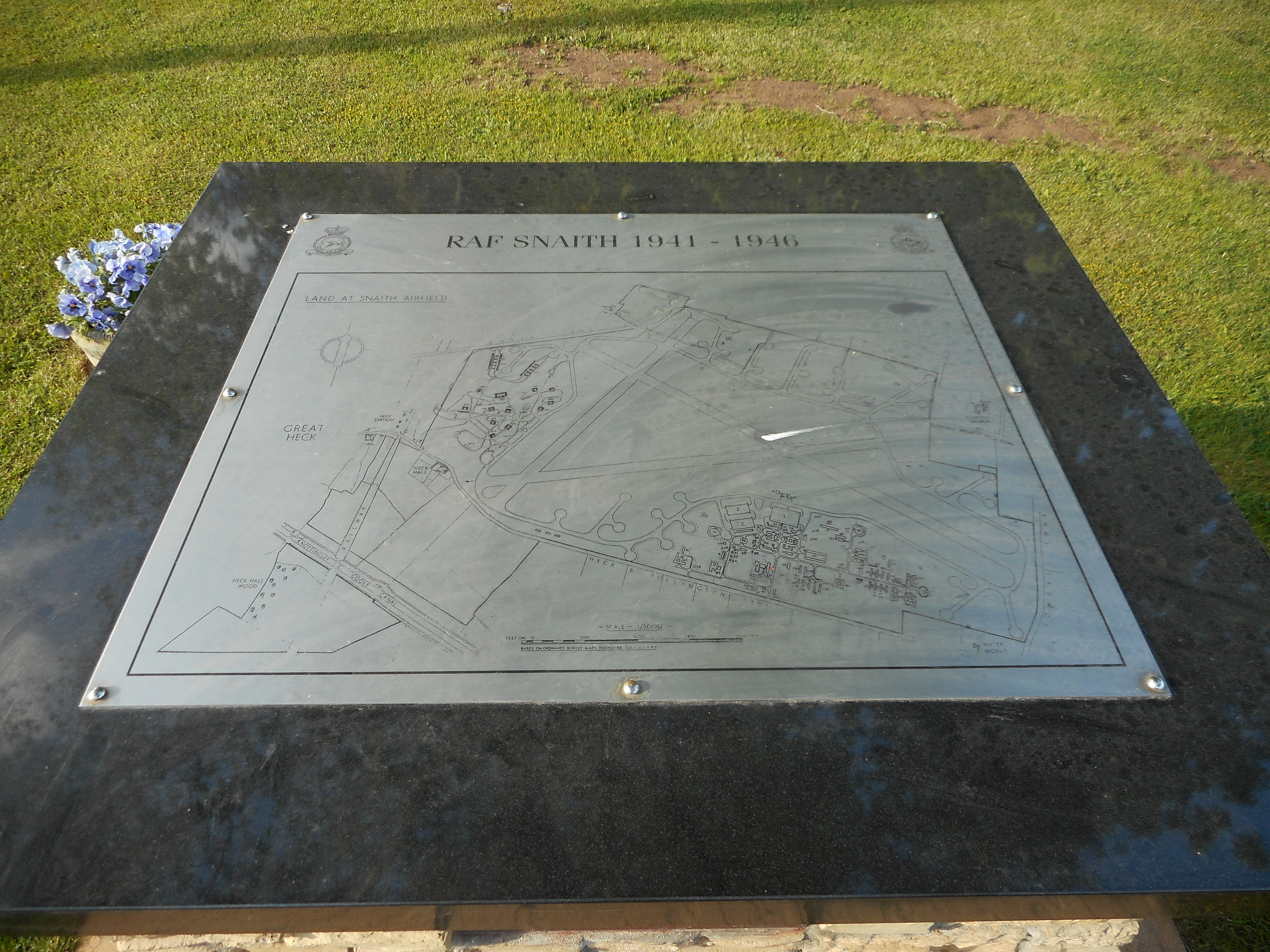
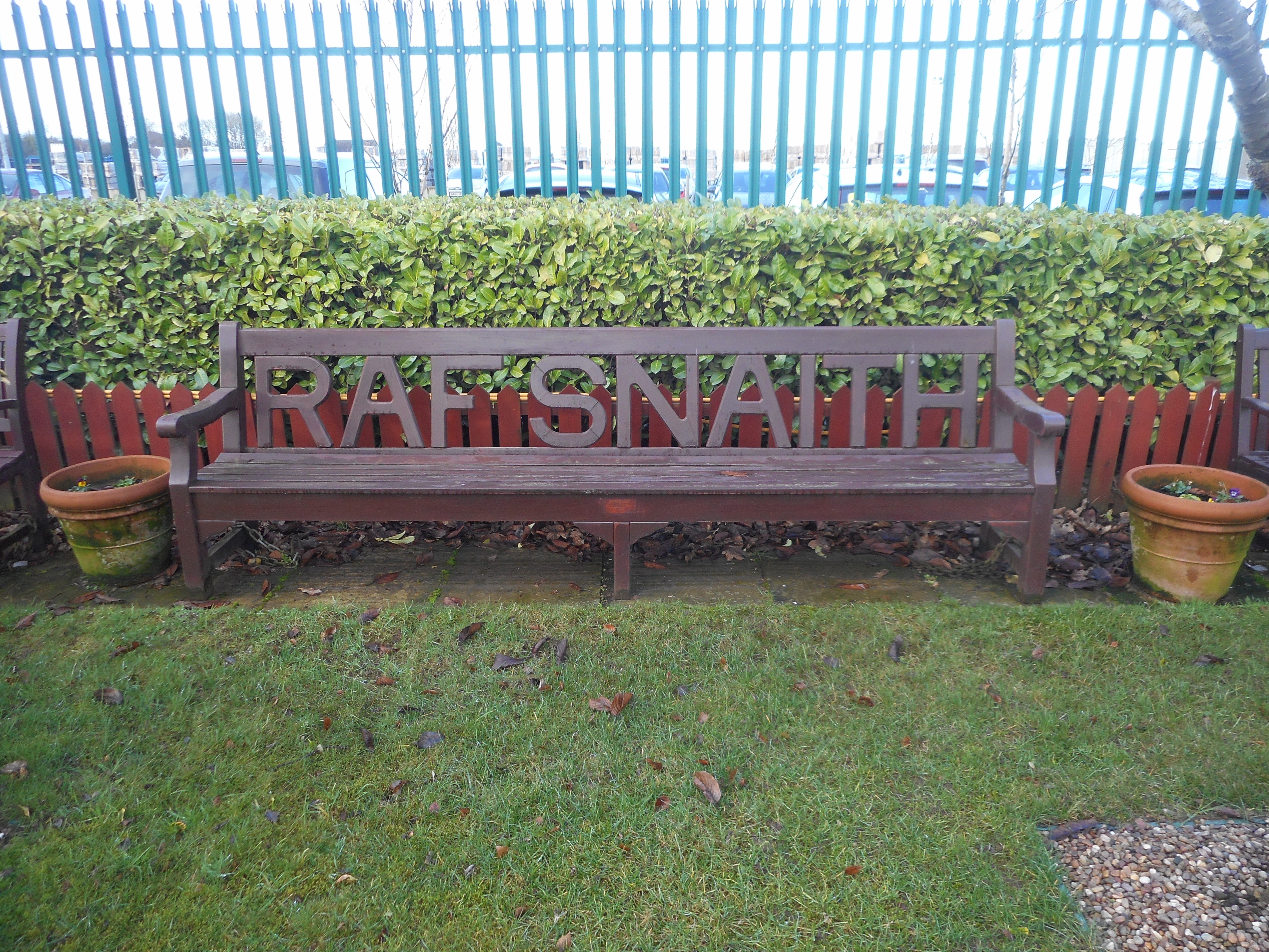
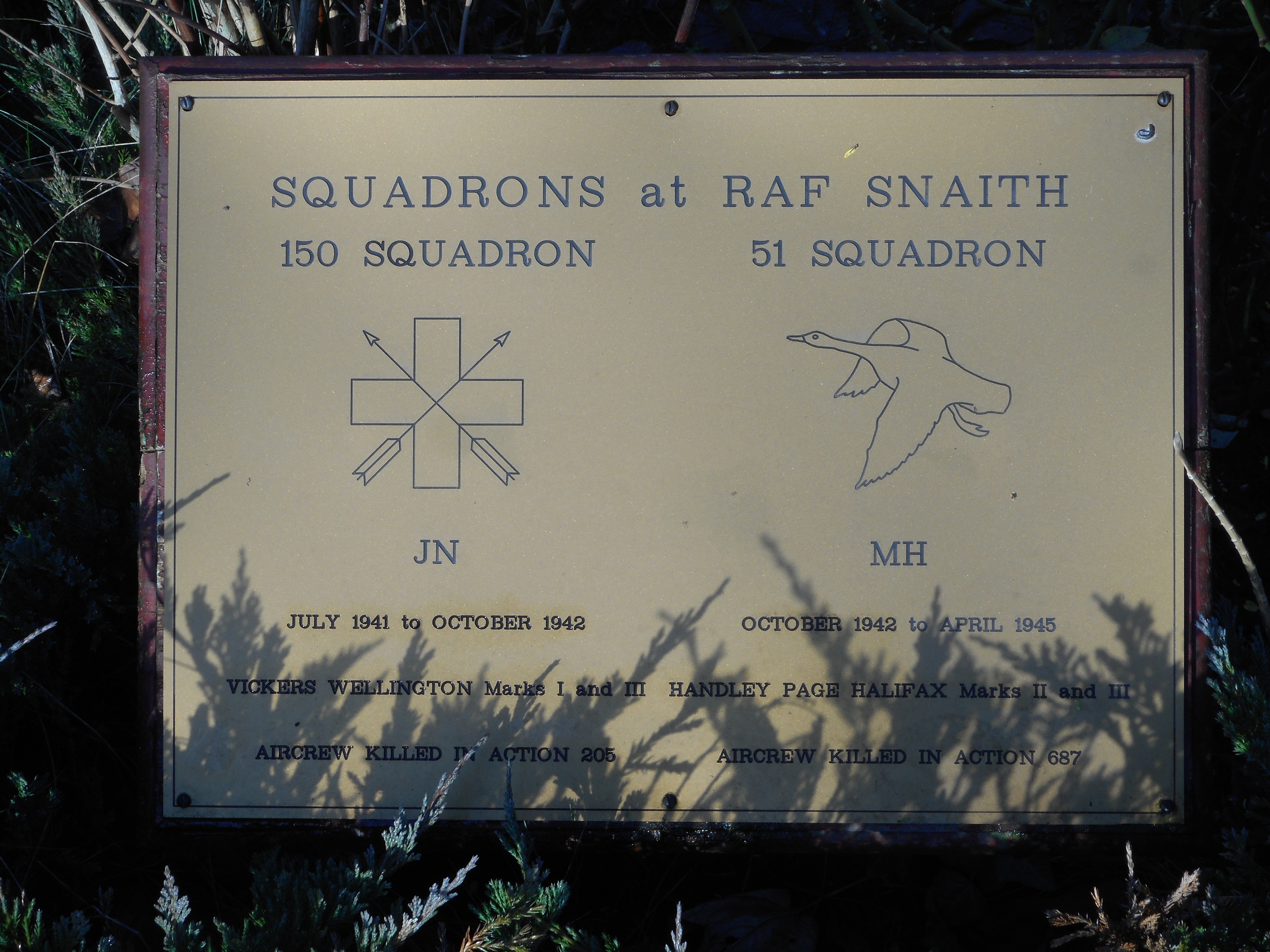
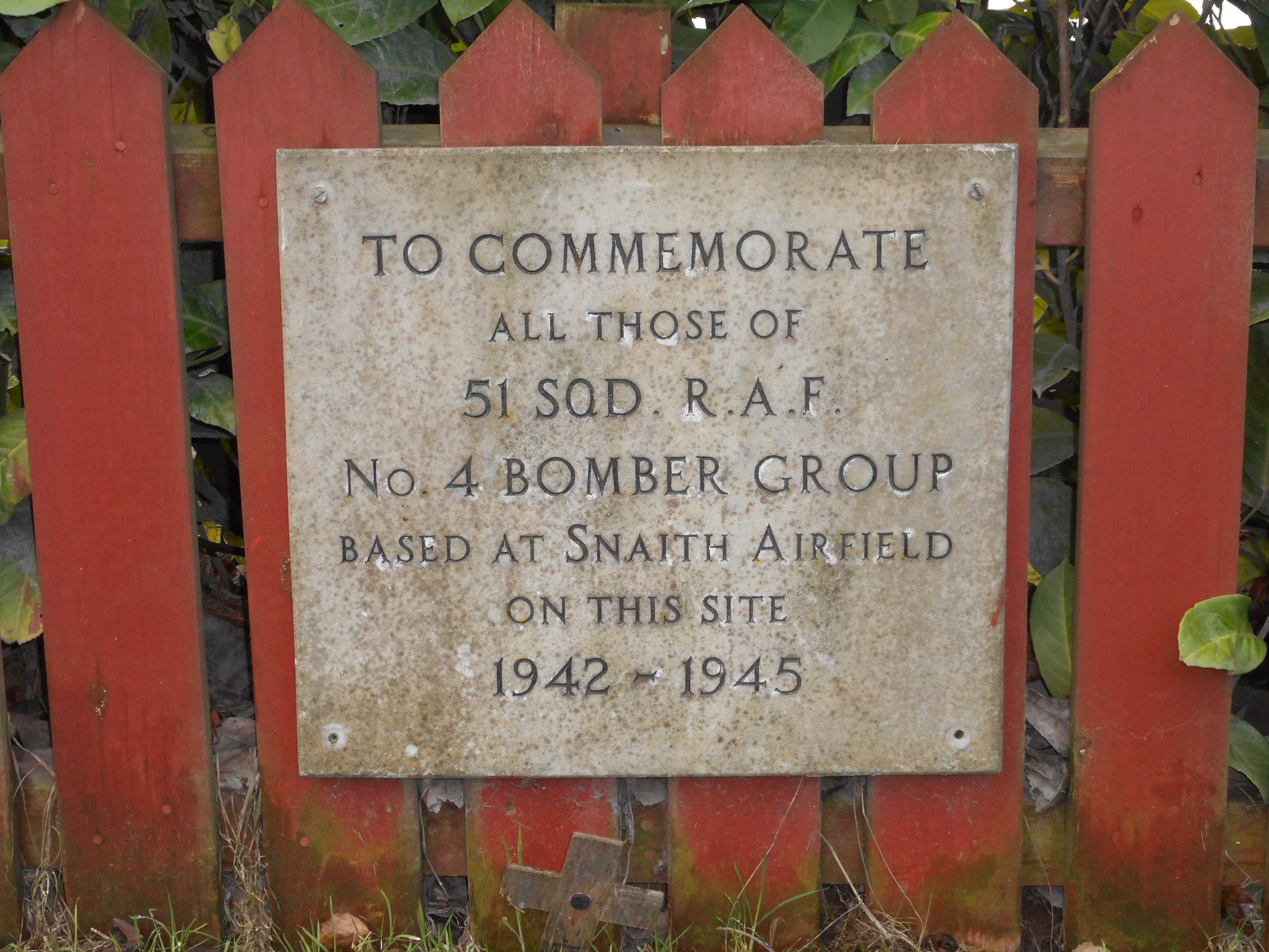
| Location | RAF Snaith Memorial Gardens, Pollington, East Yorkshire |
| Country | United Kingdom |
| Memorial Type | Inscribed Marble Monument, Bench & Metal Plaques |
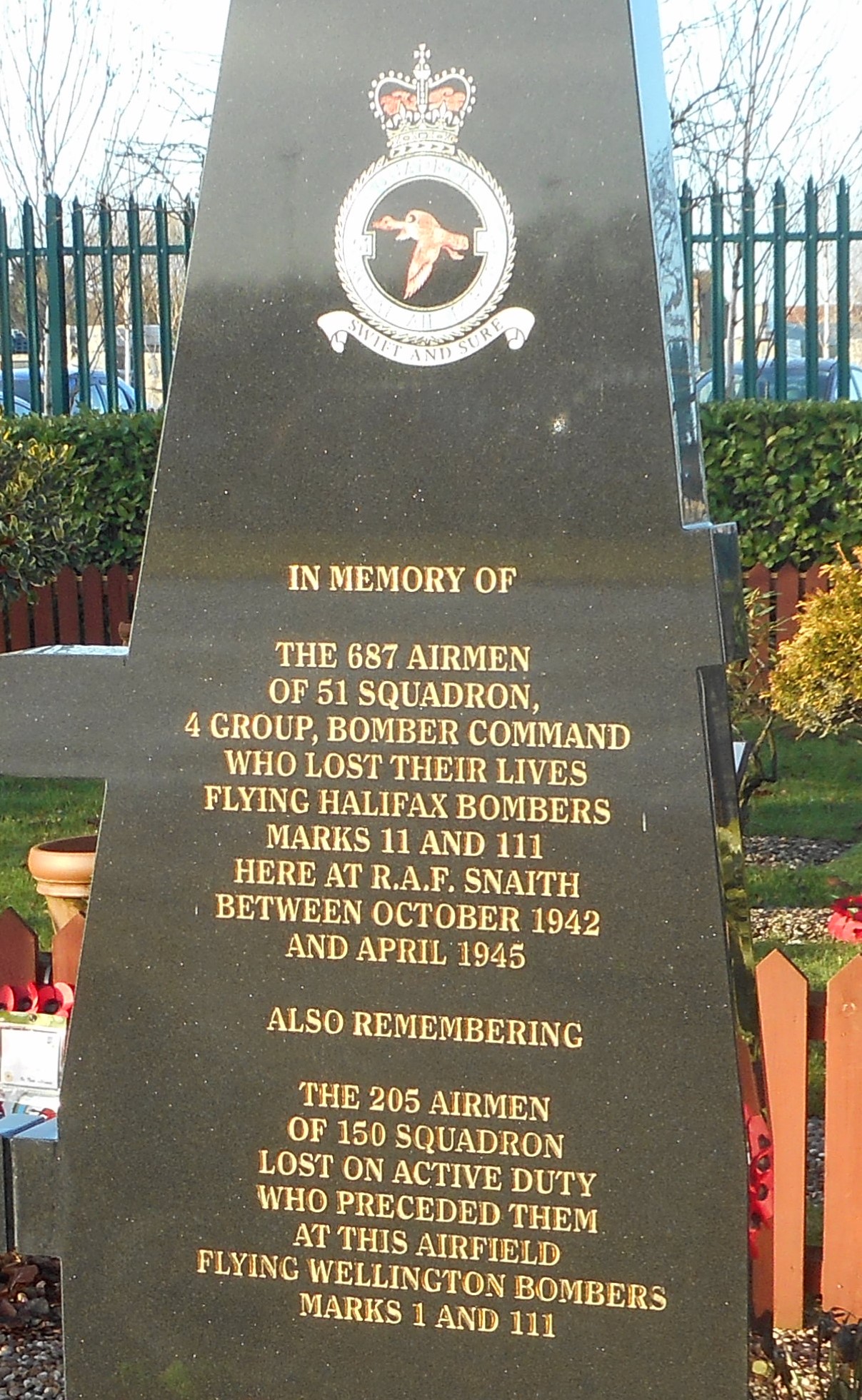
| Memorial Text | In memory of the airmen of R.A.F. 51 Sqn. (687) and 150 Sqn. (205) between 1941 - 1945 |
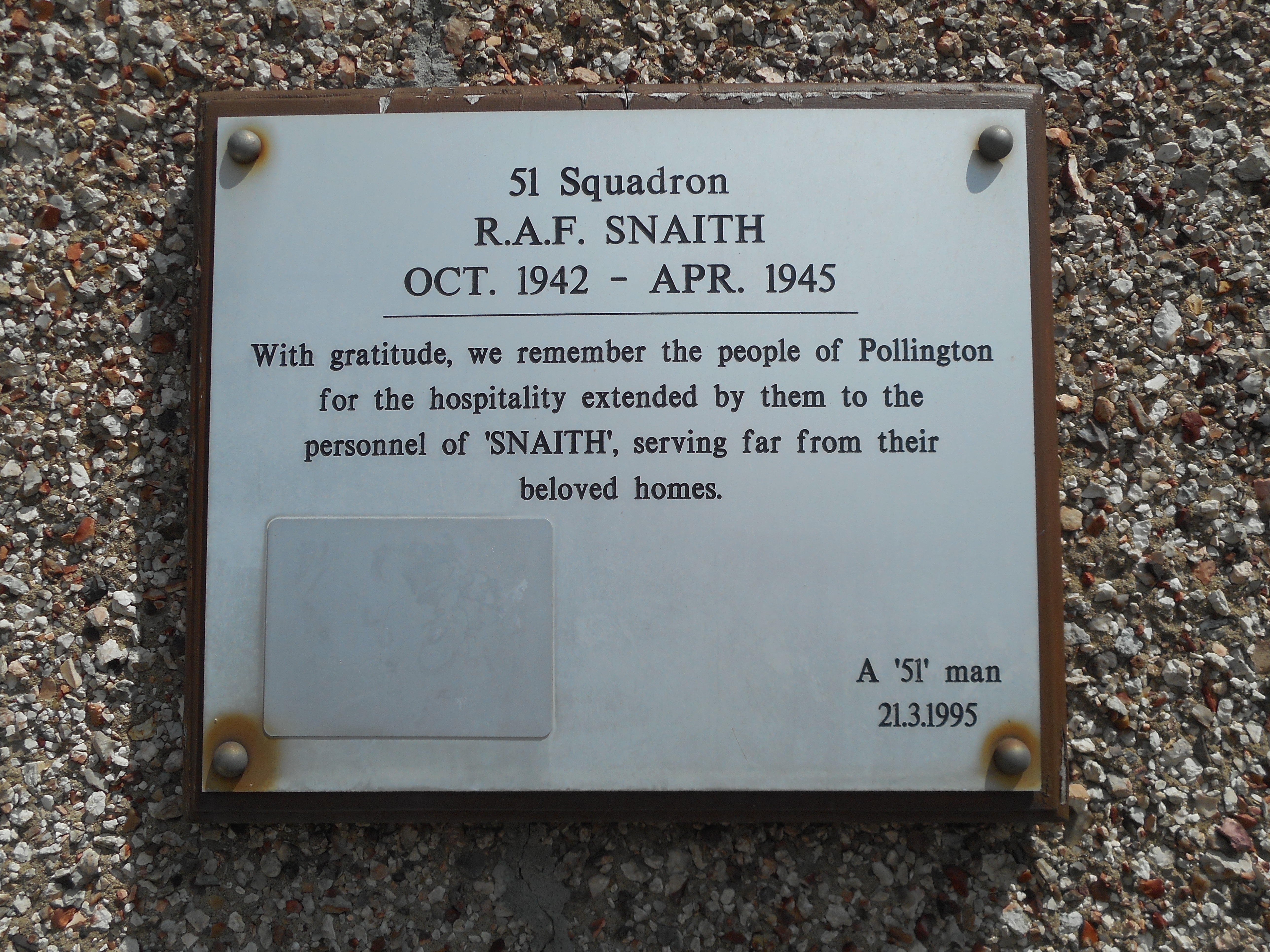
| Location | Village Hall, Pollington, East Yorkshire |
| Country | United Kingdom |
| Memorial Type | Inscribed Metal Plaque on external wall |
| Memorial Text | 51 Sqn RAF Snaith Oct 1942 - Apr 1945 |

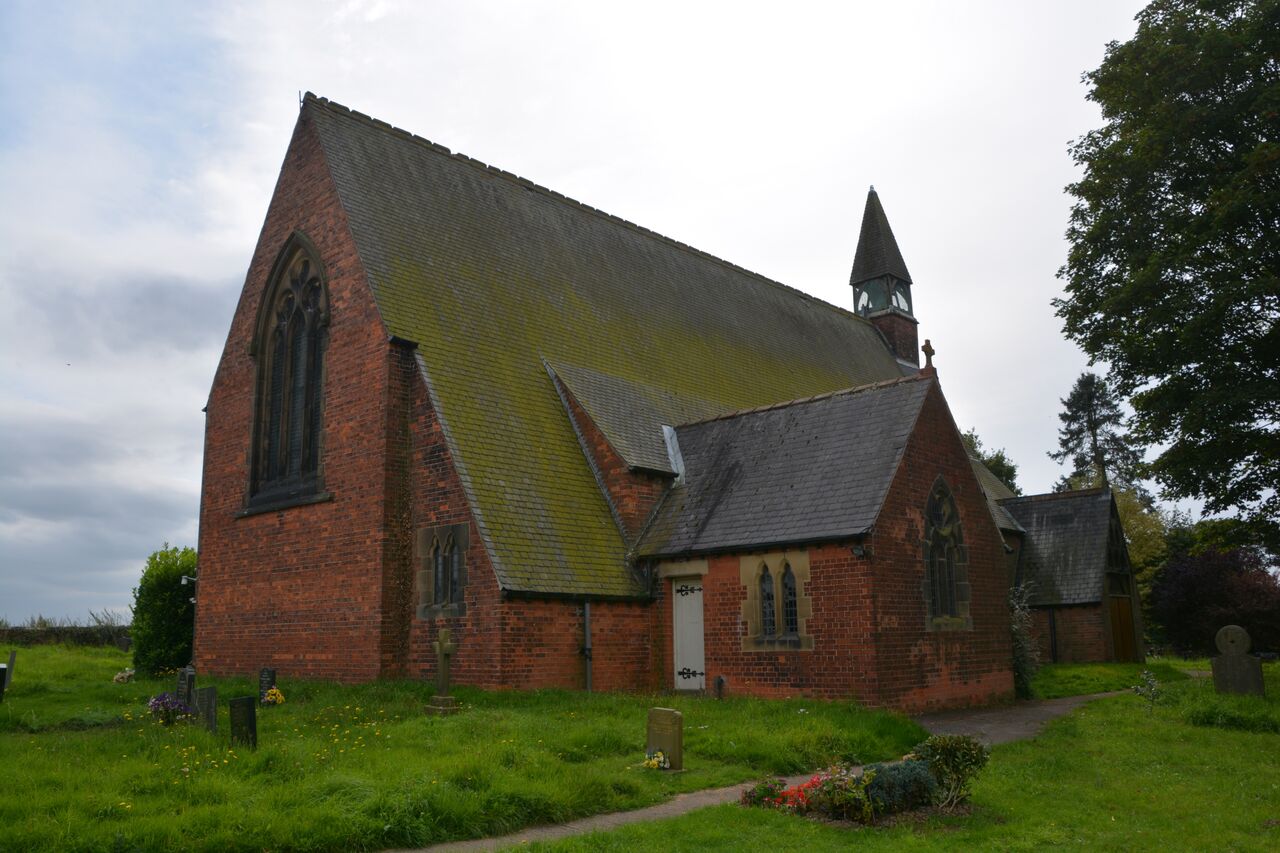
| Location | St. John the Baptist Church, Pollington, East Yorkshire |
| Country | United Kingdom |
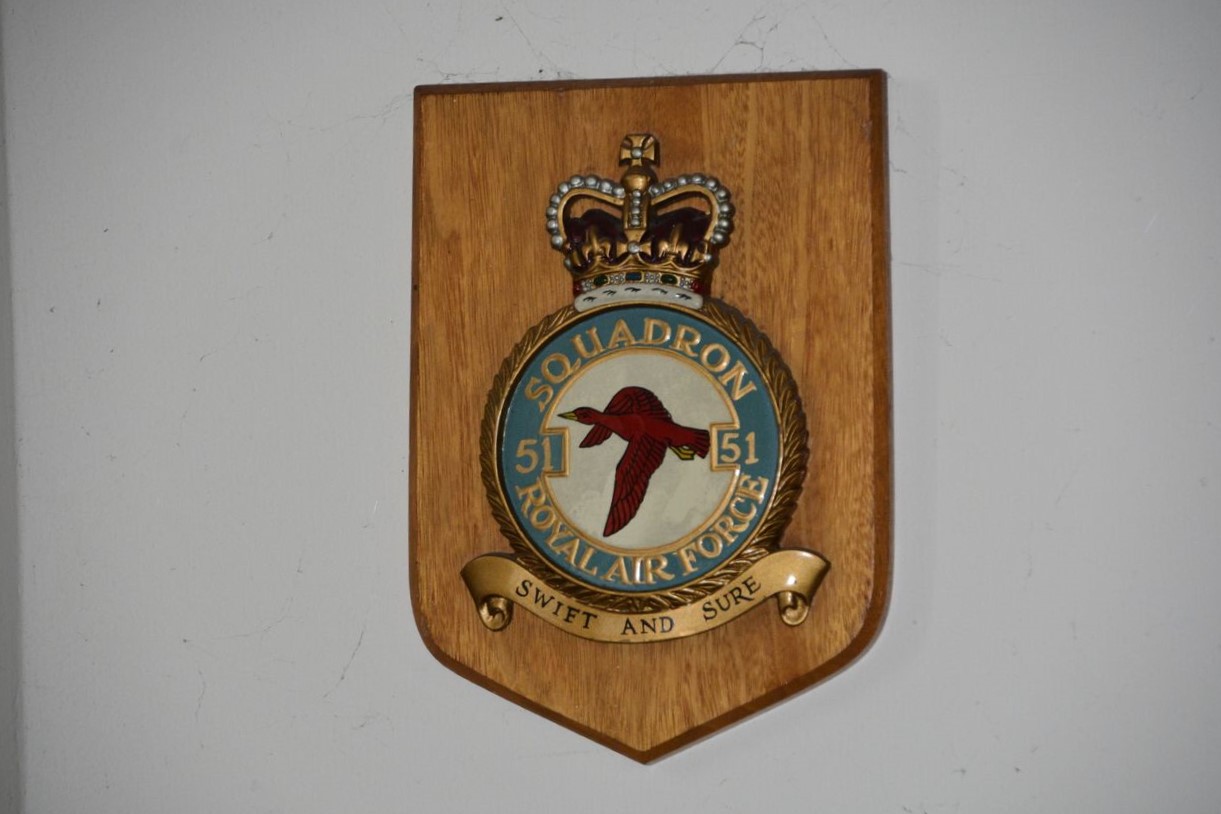
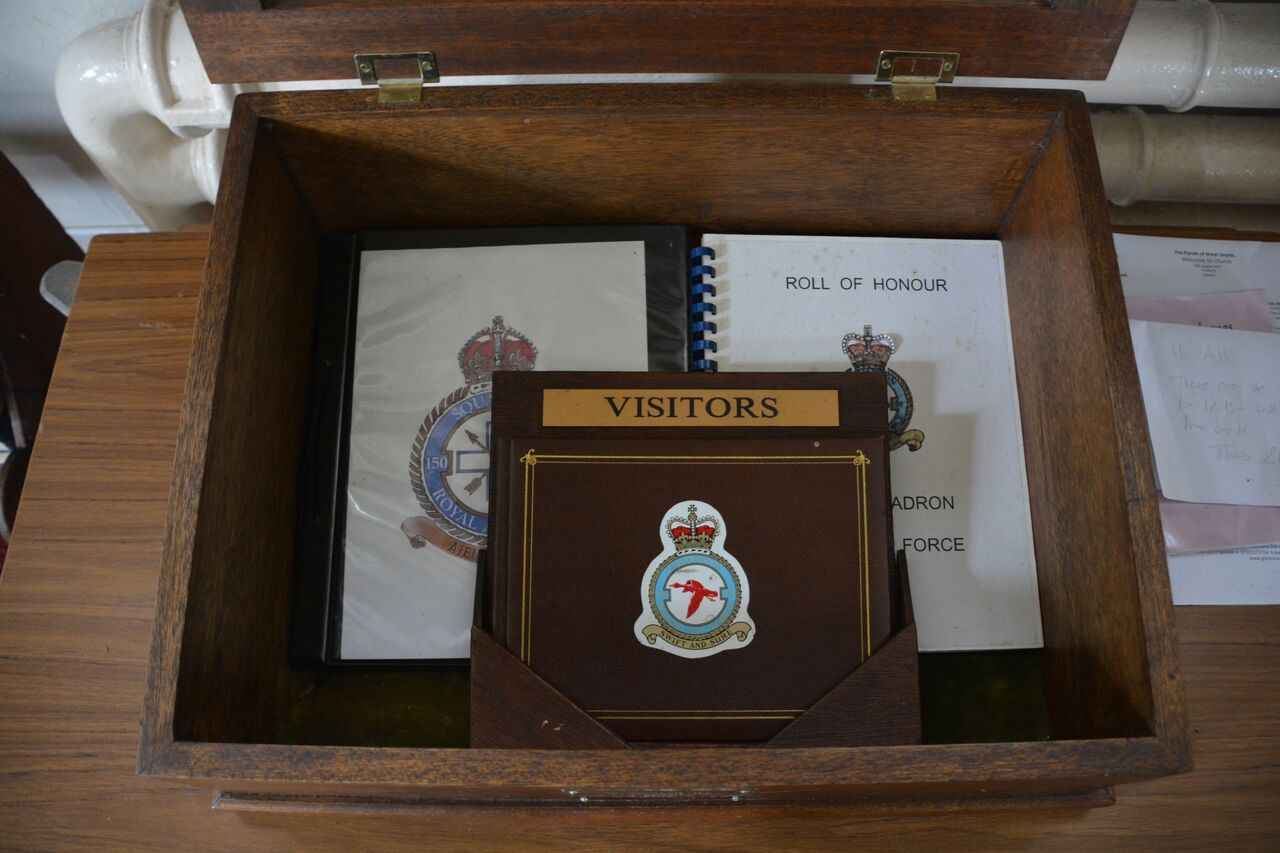
| Memorial Type | Sqn Crest & Roll of Honour |
| Memorial Text | 51 Sqn Roll of Honour |
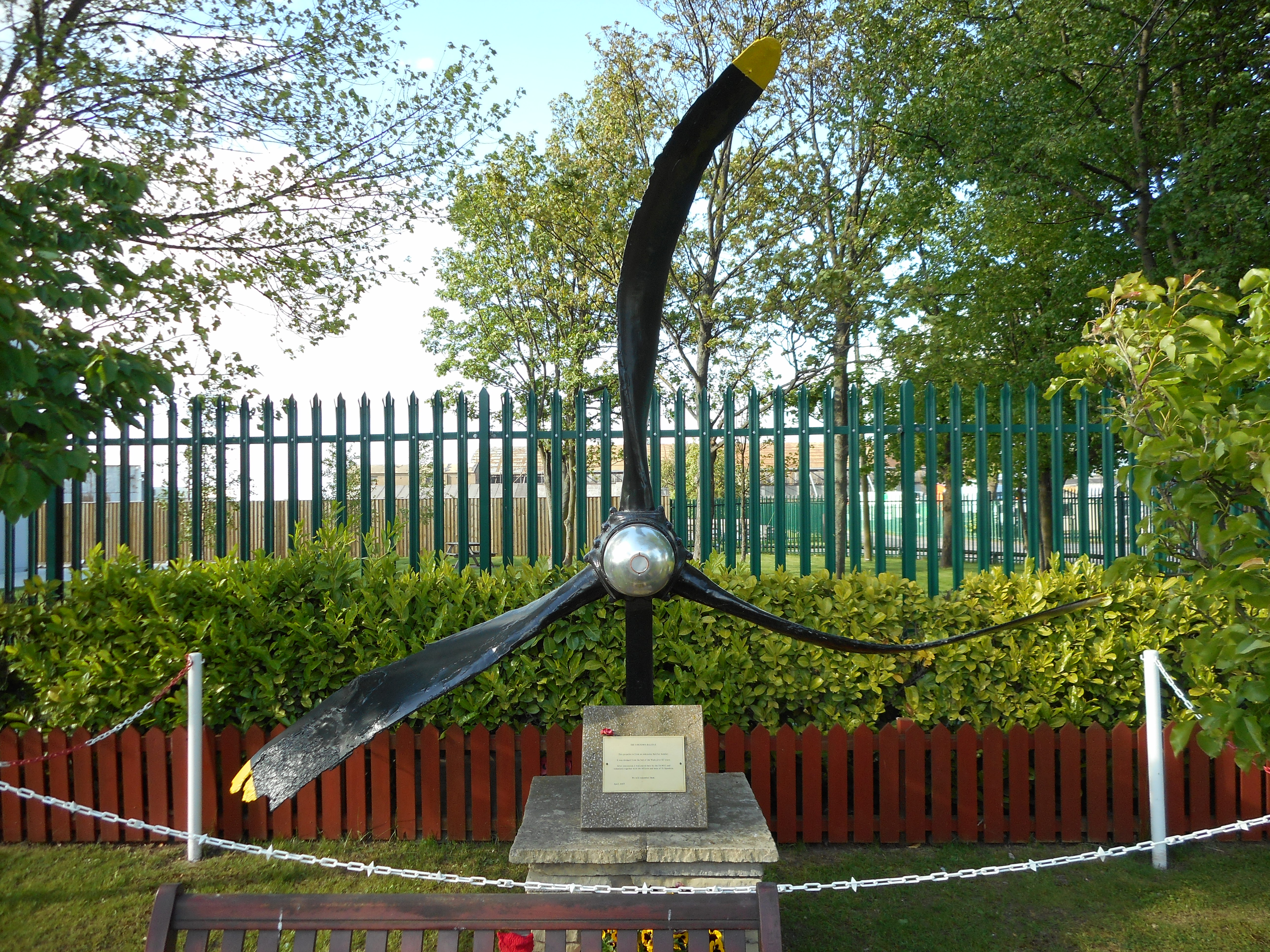
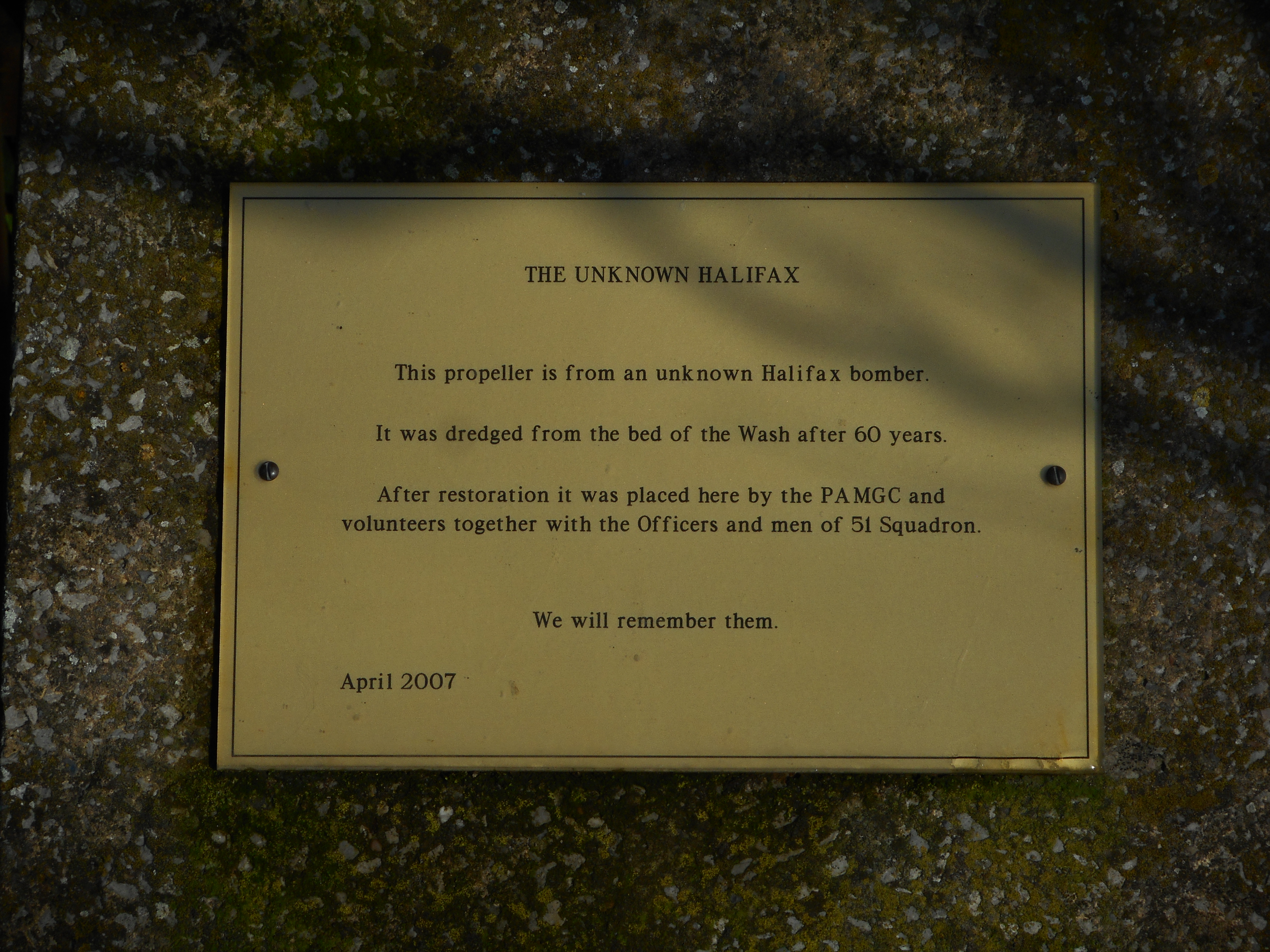
| Location | RAF Snaith Memorial Gardens, Pollington, East Yorkshire |
| Country | United Kingdom |
| Memorial Type | Inscribed Marble Monument, Multiple Inscribed Metal Plaques, Propeller Unit |
| Memorial Text | In memory of the 687 airmen of 51 Sqn, 4 Gp, Bomber Command who lost their lives flying Halifax bombers Mks 2 and 3 at RAF Snaith between October 1942 and April 1945 |
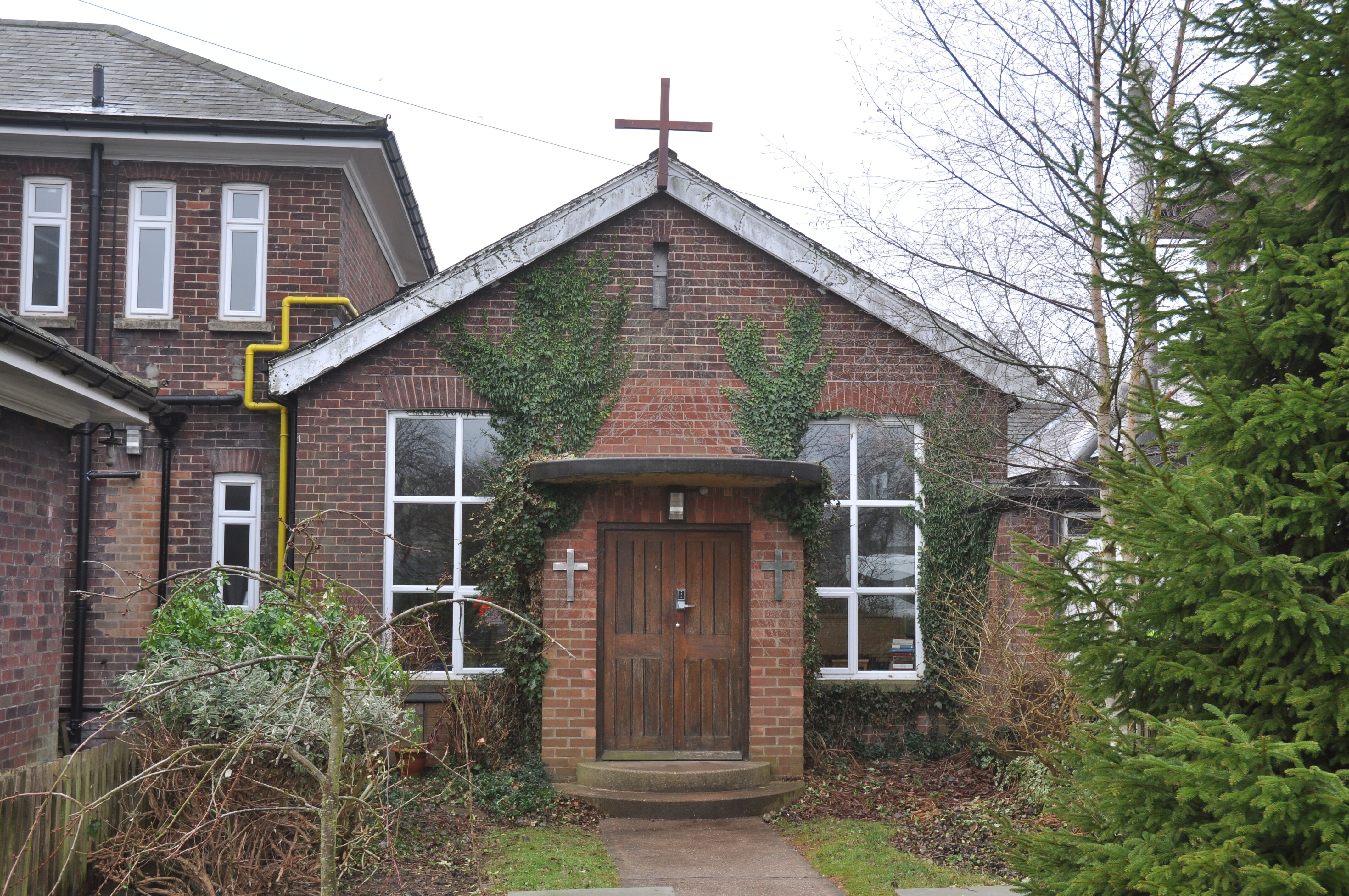
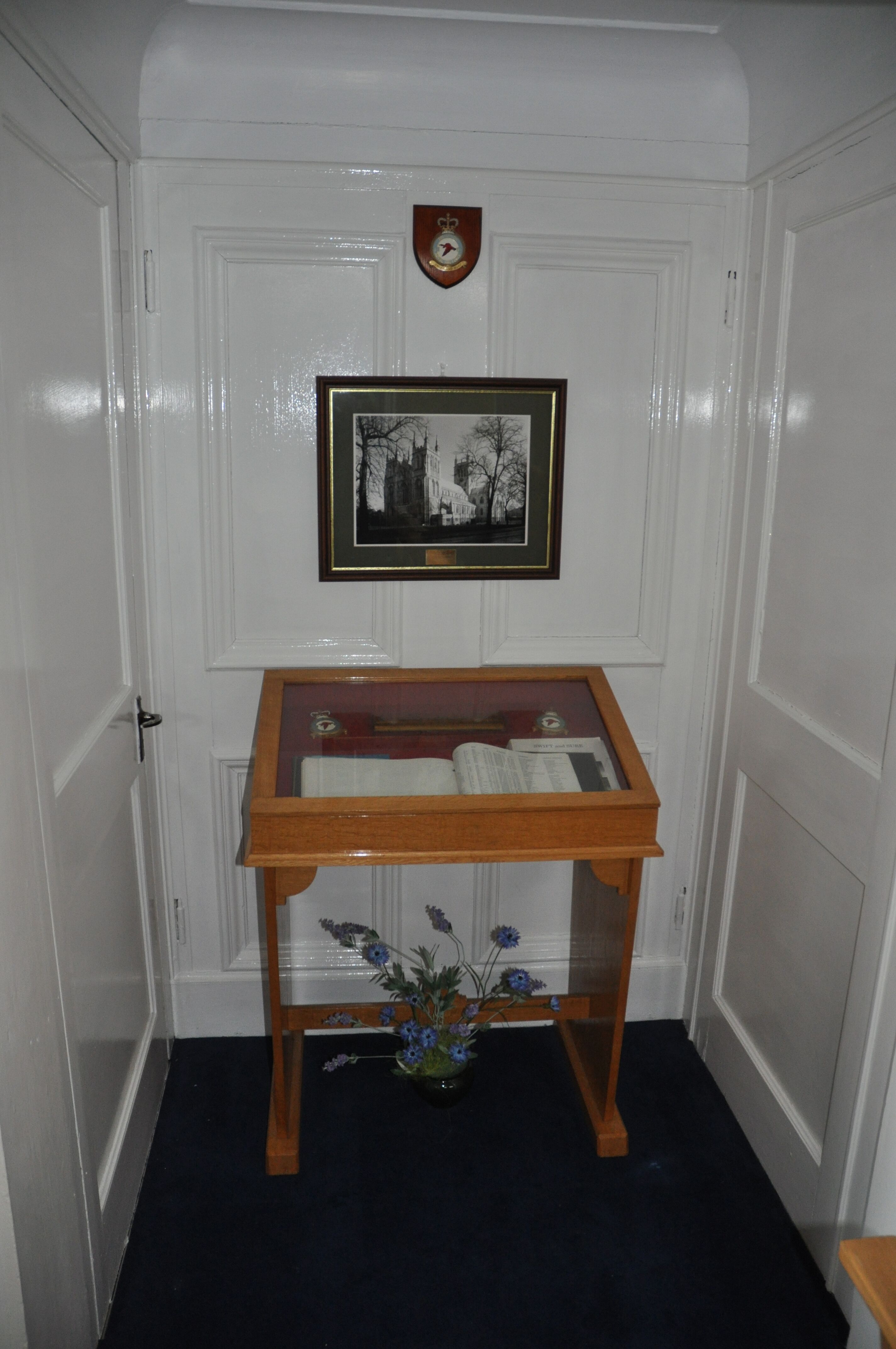
| Location | Stn Church, RAF Waddington, Lincolnshire |
| Country | United Kingdom |
| Memorial Type | Roll of Honour in Wooden Case |
| Memorial Text | Roll of Honour of 51 Sqn |
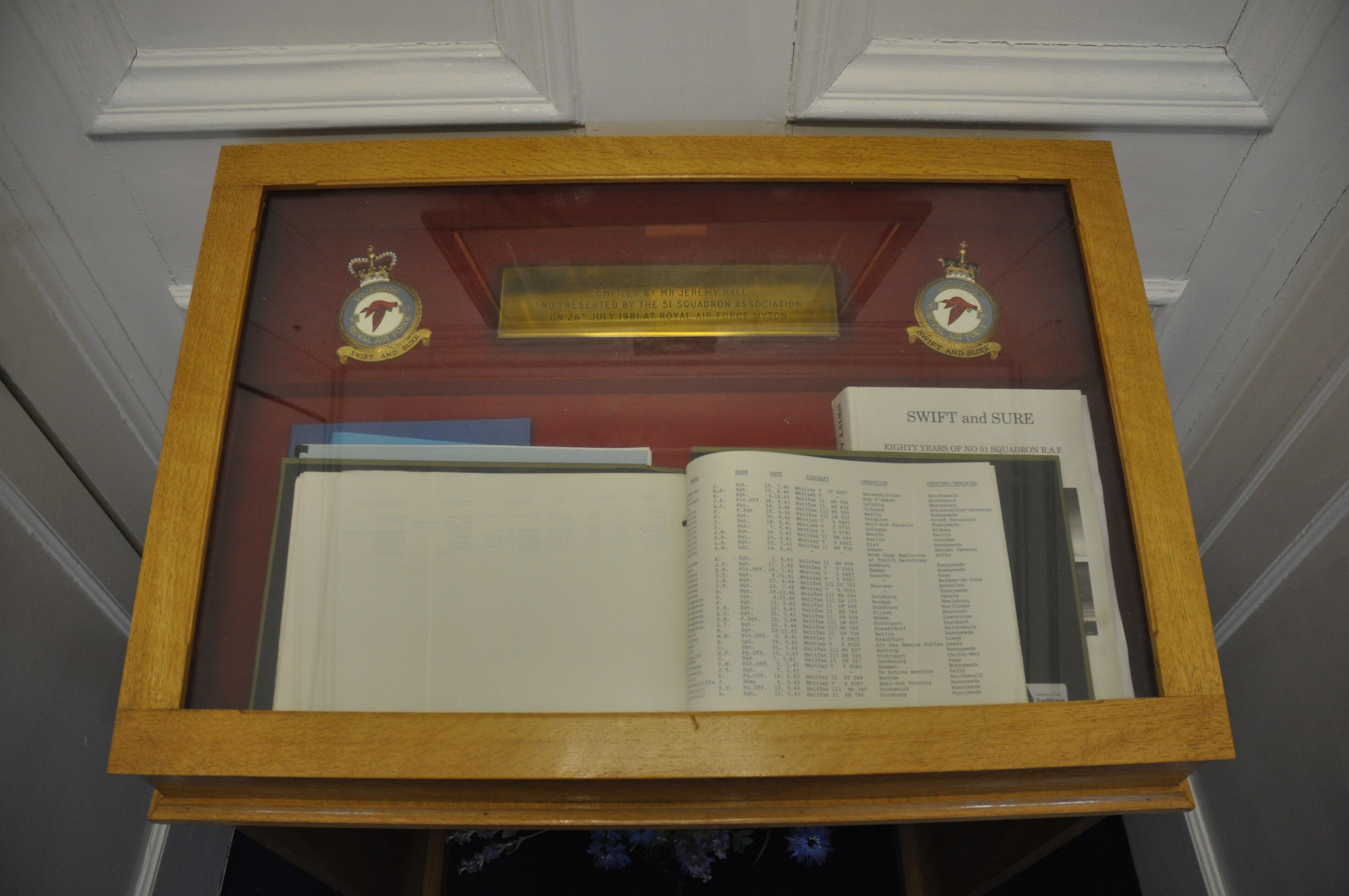
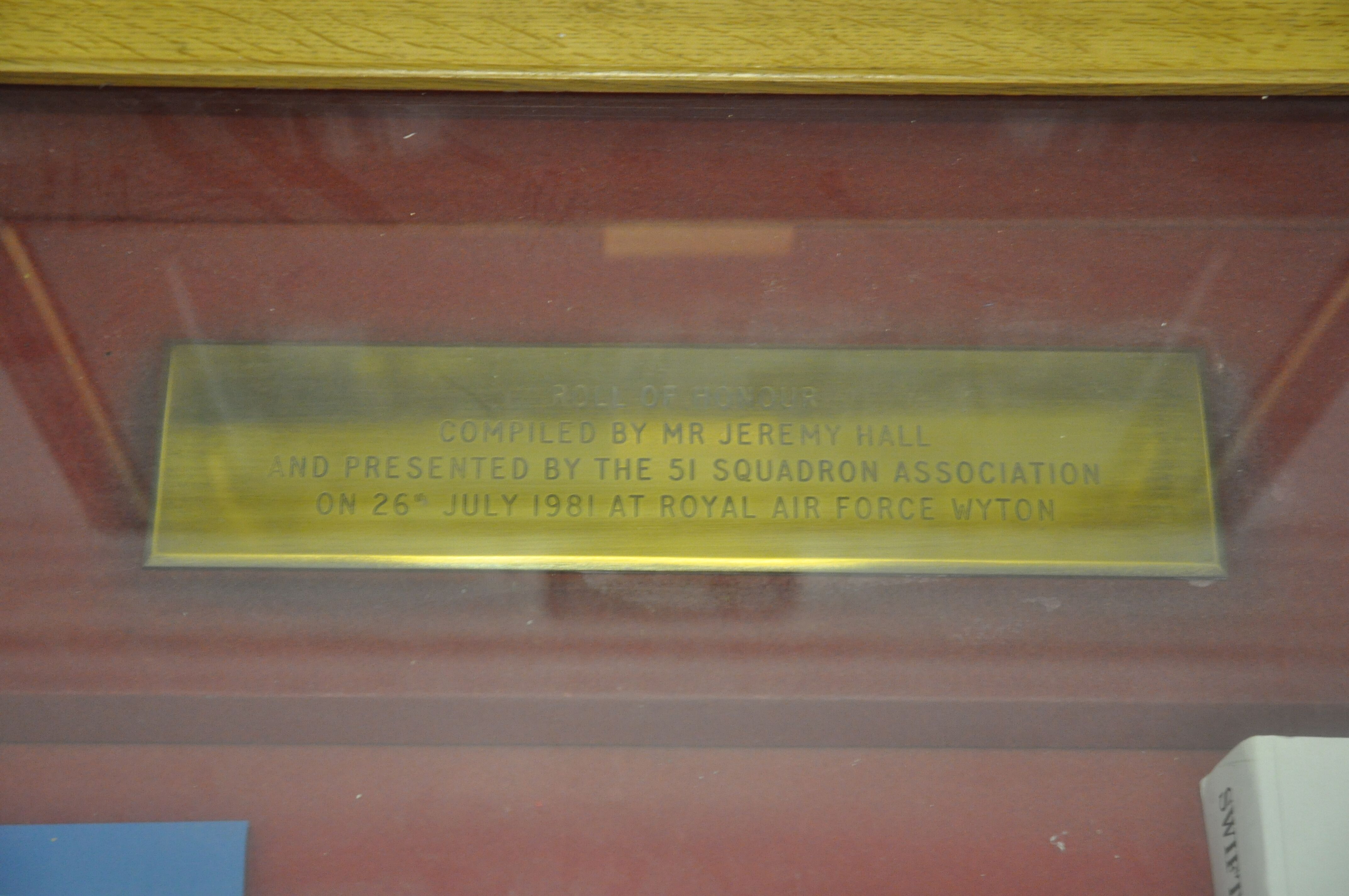
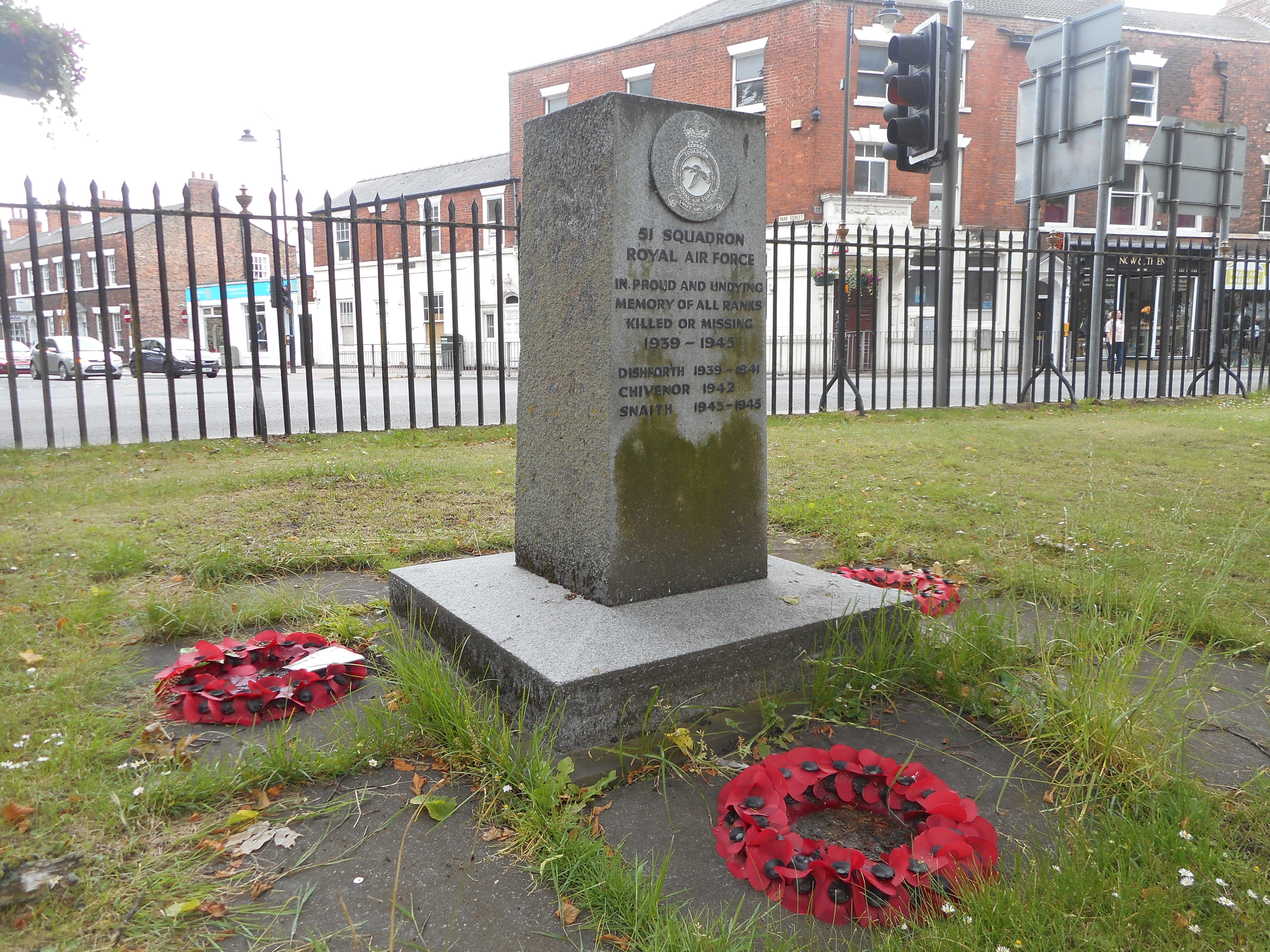
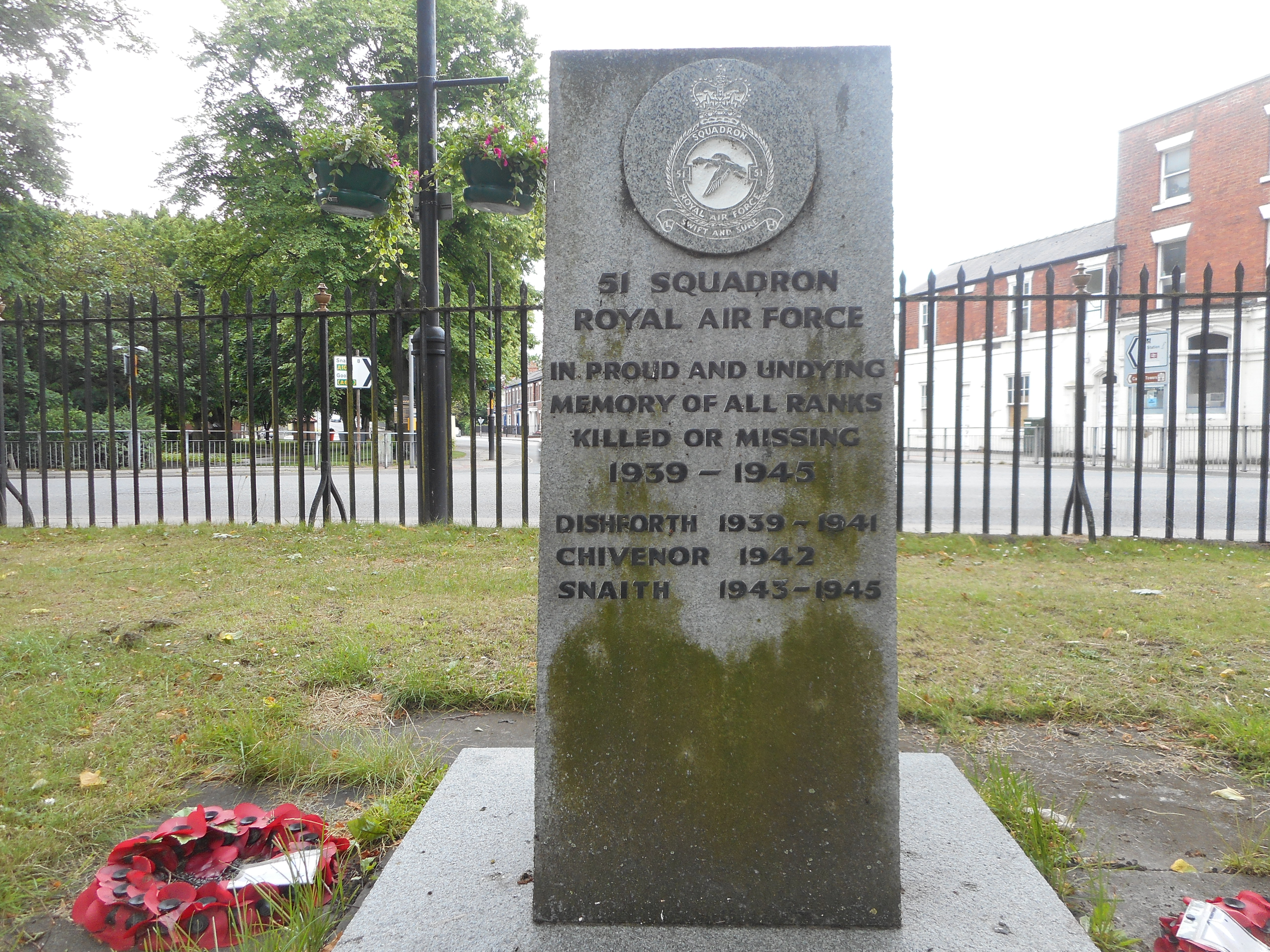
| Location | Grounds of Selby Abbey, Selby, North Yorkshire |
| Country | United Kingdom |
| Memorial Type | Inscribed Memorial Stone |
| Memorial Text | 51 Sqn RAF. In proud and undying memory of all ranks killed or missing 1939 - 1945 |

| Location | Yorkshire Air Museum, Elvington, North Yorkshire |
| Country | United Kingdom |
| Memorial Type | Memorial Gardens, Propeller, Inscribed Marble Tablets |
| Memorial Text | In everlasting homage to the courage of those who have found their winged victory through the skies of Yorkshire |


| Location | Yorkshire Air Museum, Elvington, North Yorkshire |
| Country | United Kingdom |
| Memorial Type | Propeller Unit & Inscribed Marble Tablets |
| Memorial Text | They made the supreme sacrifice so that you & I may go in peace with freedom. 4 Group 1939 - 1945. |


| Location | Heslington Hall, York, North Yorkshire |
| Country | United Kingdom |
| Memorial Type | Inscribed Metal Plaque |
| Memorial Text | Heslington Hall 1941 - 1945, 4 Gp Headquarters Bomber Command. In remembrance of those Air & Ground personnel who made the supreme sacrifice that we all may walk in peace with freedom |


Miscellaneous Information
| The Press and Journal, Tuesday, December 28th, 1943: Ross Pilot Hero of Bomber Drama "WITH incendiary bombs alight in the bomb bay only a few feet from a 2000-lb. bomb, three men in a Halifax attacking Frankfurt on Monday night fought to save the life of a wounded comrade. Although exhausted from lack of oxygen. they took it in turns to give him their own supply. The captain of the aircraft was Plt. Officer. A. L. Mackenzie (22), Edderton, Ross-shire, commissioned only two months before. The wireless operator. Flt. Sgt. G. Marlow Liverpool; the Flt. Engr., Sgt. W. Whittock, Whitchurch. Salop; and the mid-upper gunner. Sgt. J. King, Hexham, did all they could to save the life of the bomb-aimer. He died soon after they had crossed the enemy coast on the way home. Others of the crew were Sgt, T, Solomon. Hammersmith, London, the navigator and Sgt. K. Booth, Derby, the rear-gunner. When the Halifax was twenty minutes from Frankfurt the rear gunner saw a vivid flash which lit up the whole bomber, but he could see no enemy fighter. The Halifax was filled with fumes and smoke, and the pilot called up the crew. "All right, boys?" he asked. In a matter-of-fact voice, the rear gunner answered, "Our tail's been hit." The mid-upper gunner said, "It is tattered a bit." In fact, the port elevator had been shattered and was no more than a broken, dangling framework. The captain decided to go on to the target. "It seemed an awful pity to get so far and then turn back while we still had four engines working," he said. " We went on, but when we were on the fringe of the target area we were attacked again. The bomb-aimer was wounded. The fumes were so strong in the mid-upper turret that the gunner asked permission to leave his post. A cannon shell had set light to three incendiaries, which were blazing only a few feet from a 2000 - pounder. The navigator flipped a parachute to the wounded bomb-aimer in case they had to bale out, and then he and others tried to release the bombs. But the bomb doors would not open fully. The wireless operator went to help the bomb aimer and found that he had flung off his helmet and was without oxygen: He put his own oxygen tube into the wounded man's mouth, and then he and the engineer and the mid-upper gunner took it in turns to share their oxygen with him. They were so short of oxygen themselves that it took them twenty minutes to get him back from the nose of the bomber to the rest position. They were the only men of the crew who could be spared from their posts. As it was. the whole defence of the aircraft had to be left to the rear gunner. He stuck to his post while flames and sparks were being continually blown back from the fire against his turret. "When they at last succeeded in getting the bomb-aimer back," said the pilot. "the wireless operator and the mid-upper gunner took off some of their own kit and wrapped it round him. They gave him first-aid and coffee from their flasks until he died. "Cold air was rushing in through holes. and the navigator was almost frozen. but he stuck to his job and did wonders. When the rear-gunner spoke to me over the intercom his voice was always perfectly calm, though flames and sparks were blowing past him. "The transmitter key of his wireless set was in pieces, but the wireless operator made it work and sent out a message to base." The captain knew it would be dangerous to land the aircraft in its damaged state and with the bombs still on. He told his crew when they had crossed the English coast that anybody who chose could bale out. "They said some uncomplimentary things to me for suggesting it," the captain said. "The navigator answered that he was frozen as it was, and didn't intend to get colder by jumping out." Over their own base, the crew went to crash positions. In spite of all the damage the pilot, with the help of the engineer, the navigator. and the mid-upper gunner, made a safe landing, though a tyre had been burst by a cannon shell. "No captain could have had a finer set of men with him," said the pilot. "Every one of them behaved exactly right." Pilot, Officer. Mackenzie is the eldest son of Mr Murdo Mackenzie, schoolmaster Edderton, Ross-shire. He was well-known and popular in the village and took a keen interest in sports. Educated at Edderton School and Tain Royal Academy. he went to Edinburgh University to study engineering." (The twenty-two-year-old Alasdair Lesley Mackenzie was awarded a Distinguished Flying Cross, on the 14th of January 1944, for his bravery during this flight but tragically he was killed in action only one week later on the 21st of January 1944. He is buried in Berlin War Cemetery and listed on the Edderton War Memorial.) |
Commonwealth War Graves Commission
Last Operation Information
| Start Date | - |
| End Date | - |
| Takeoff Station | Snaith |
| Operation | Frankfurt |
| Reason for Aircraft Loss | Attacked by a night-fighter en route to the target, killing the bomb aimer and starting a fire in the bomb bay. The fire blew itself out but made it impossible to jettison the bombs. Nevertheless, the aircraft made a safe return to England and was repaired and put back into service. |