PIDDINGTON JA
Piddington, James Arthur Died
Personal Information
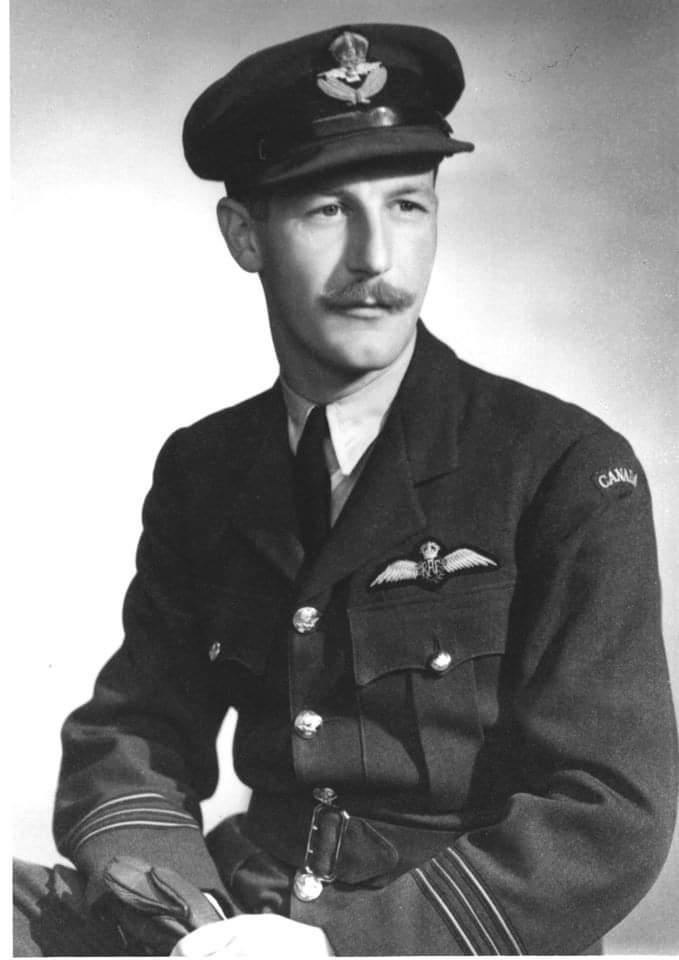
| Rank | W/C |
| Forename(s) | James Arthur |
| Surname | Piddington |
| Gender | M |
| Age | 28 |
| Decorations | DFC |
| Date of Death | 28-07-1943 |
| Next of Kin | Son of Arthur G. Piddington and Helen Mary Piddington (née Porteous), of Quebec, Canada. Husband of Phyllis Maud Heath Parkes, a Nursing Sister, whom he married in British Columbia, Canada, in 1942. |

Aircraft Information
| Aircraft | Vickers Wellington X |
| Serial Number | JA114 |
| Markings | AL- |
Memorial Information
| Burial/Memorial Country | Germany |
| Burial/Memorial Place | Hamburg Cemetery |
| Grave Reference | 5A. E. 8. |
IBCC Memorial Information

| Phase | 2 |
| Panel Number | 226 |
Enlistment Information
| Service Number | 39562 |
| Service | Royal Air Force (RAFO) |
| Group | 6 |
| Squadron | 429 (Bison) |
| Squadron Motto | Fortunae nihil (Nothing to chance) |
| Trade | Pilot |
| Country of Origin | Canada |
Other Memorials
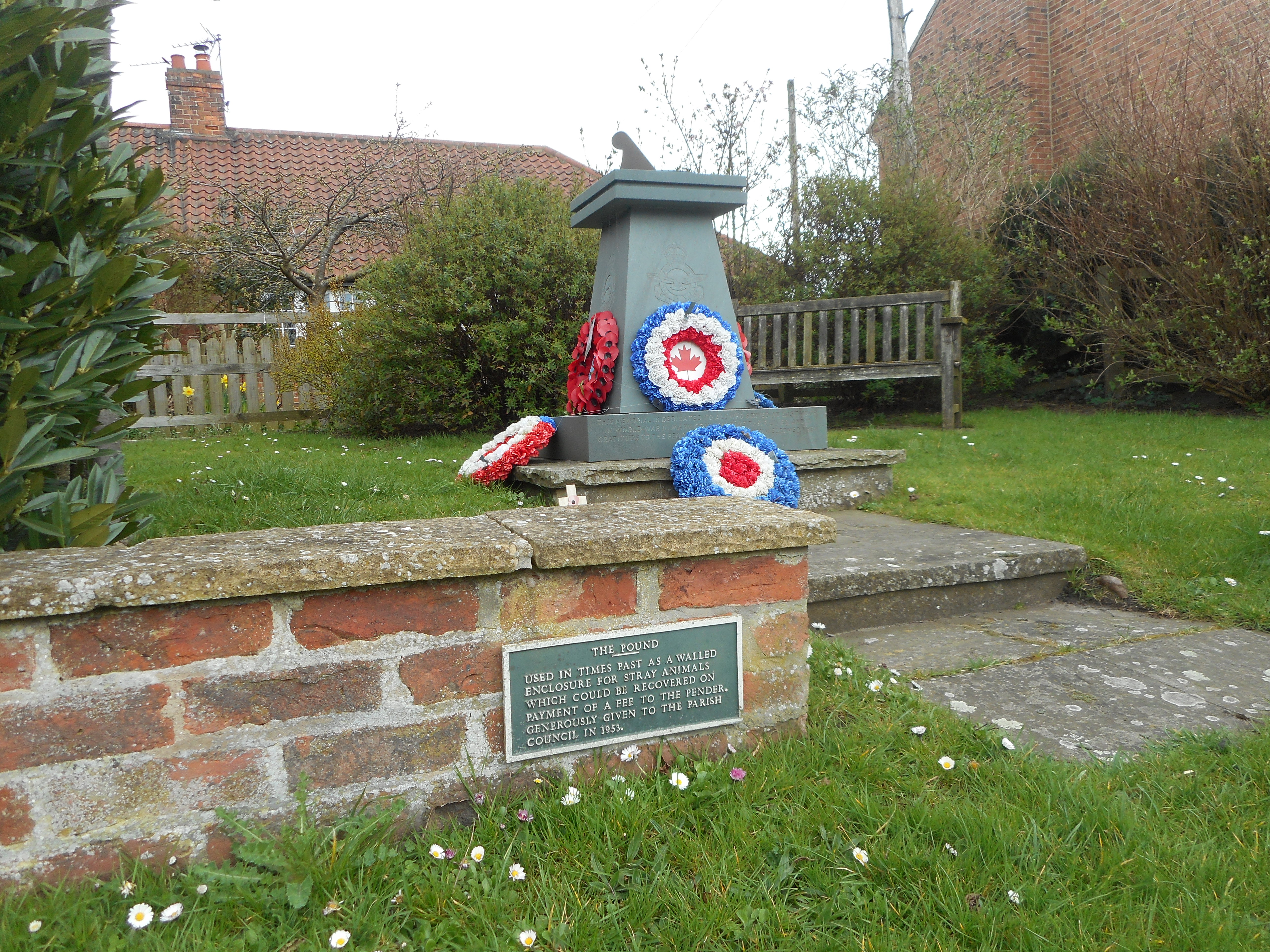
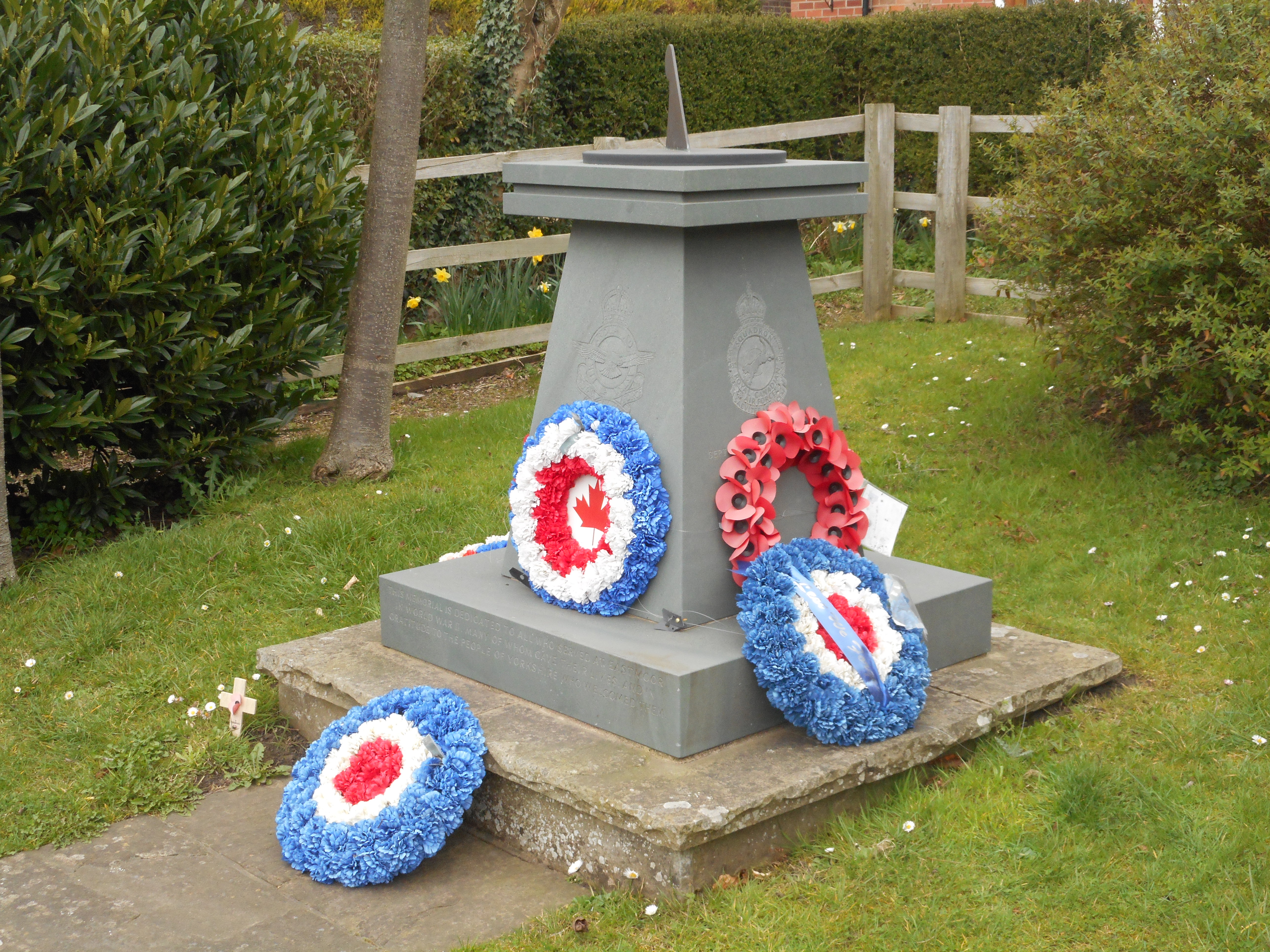
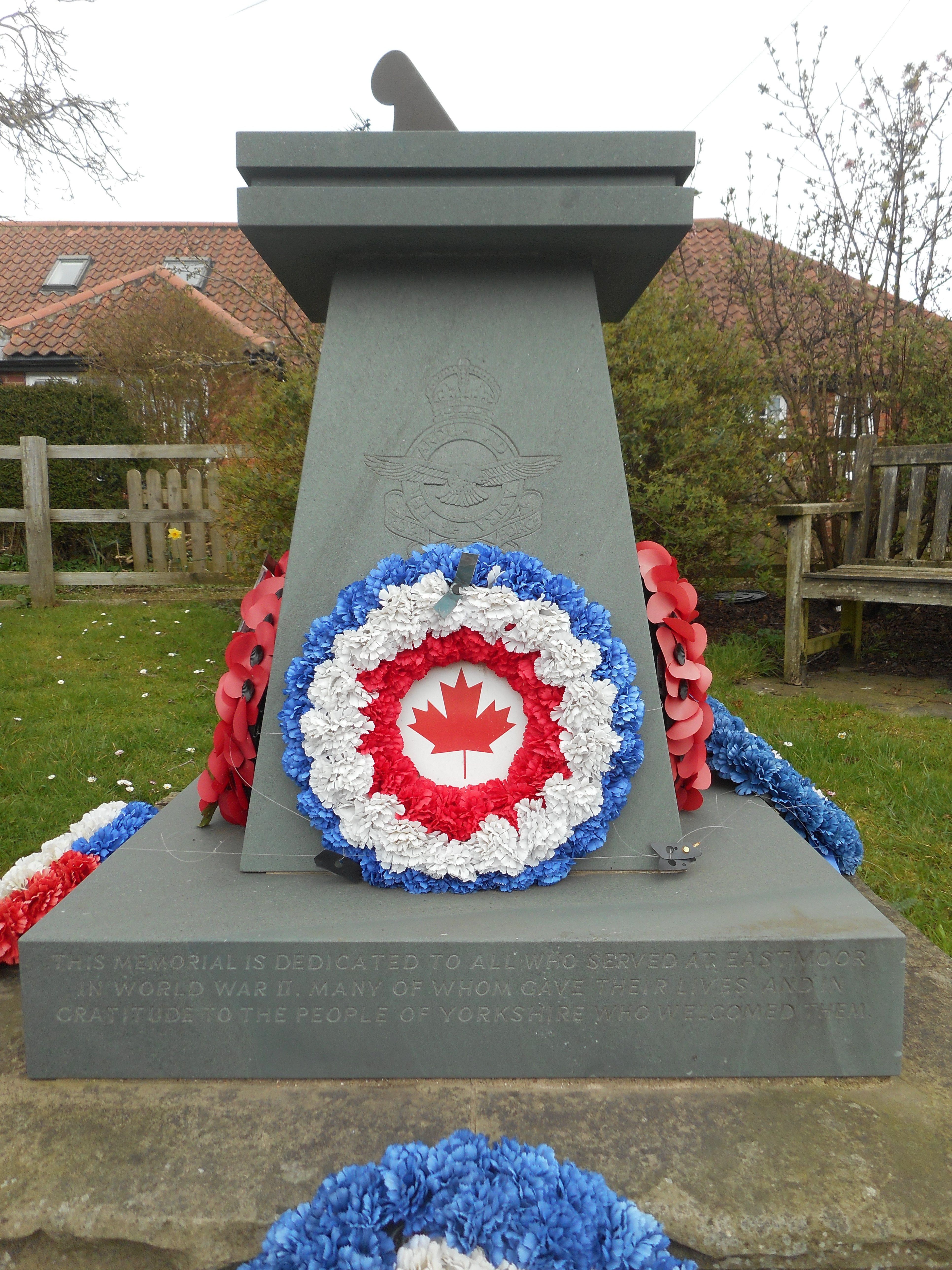
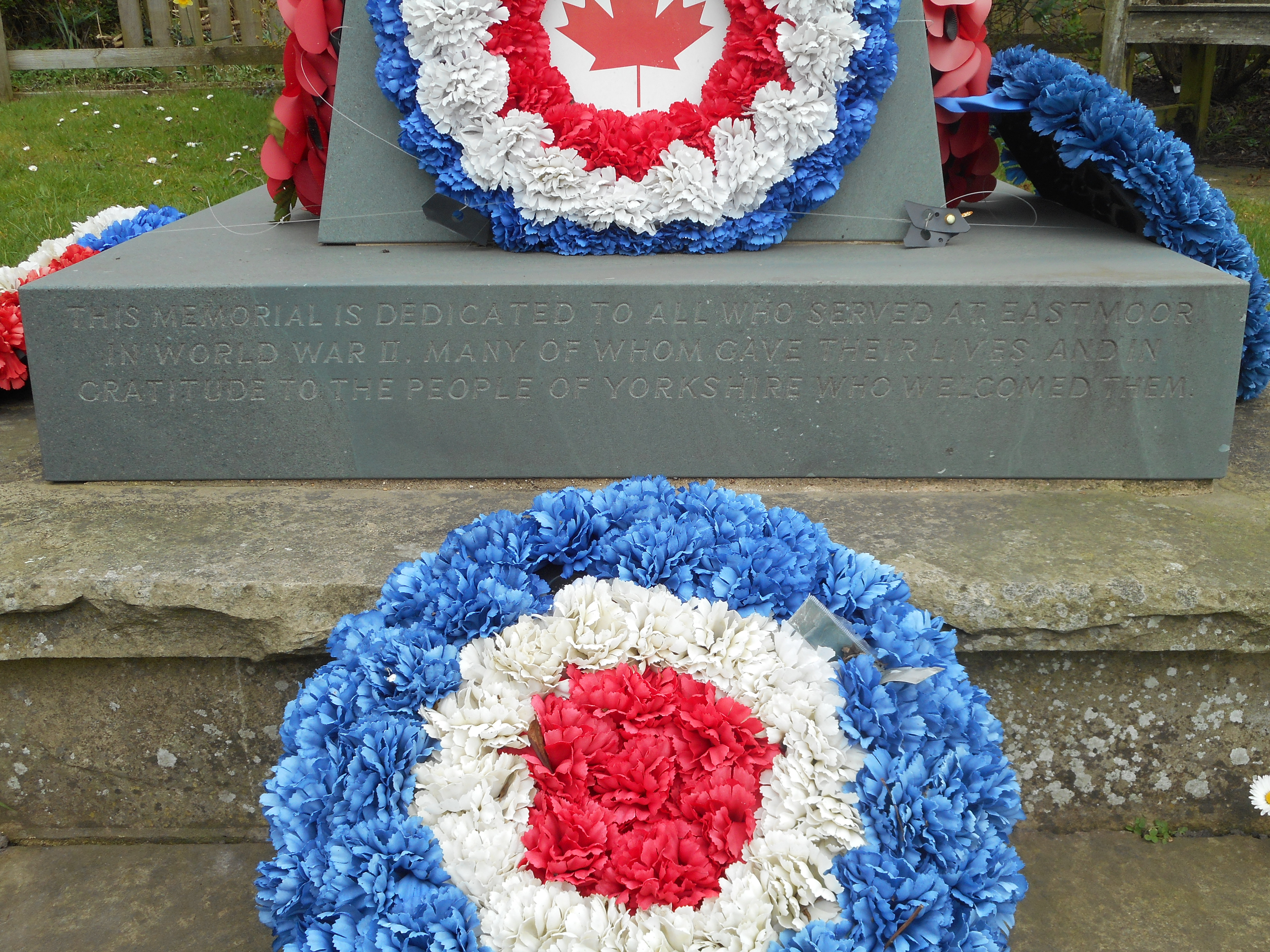
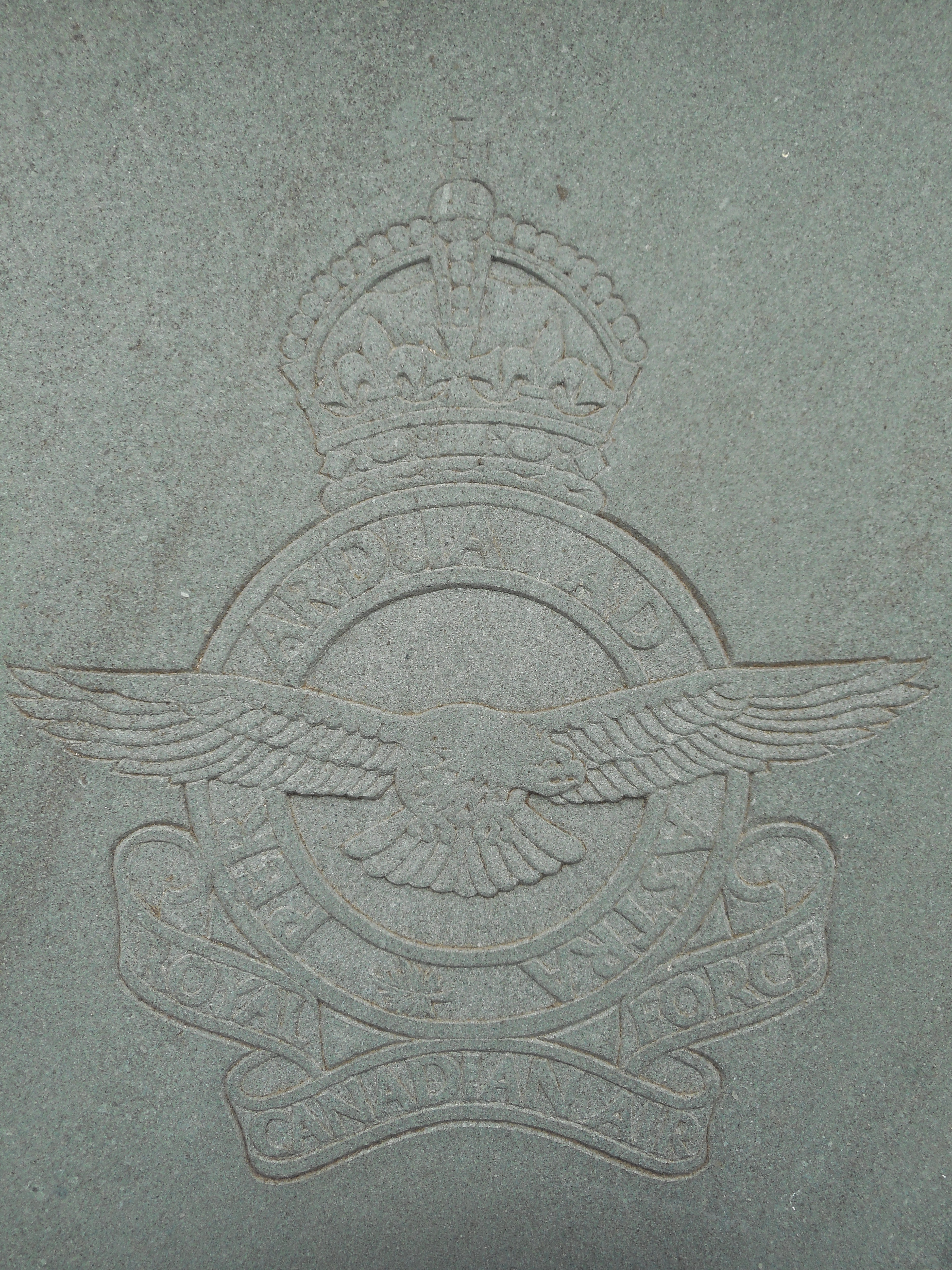
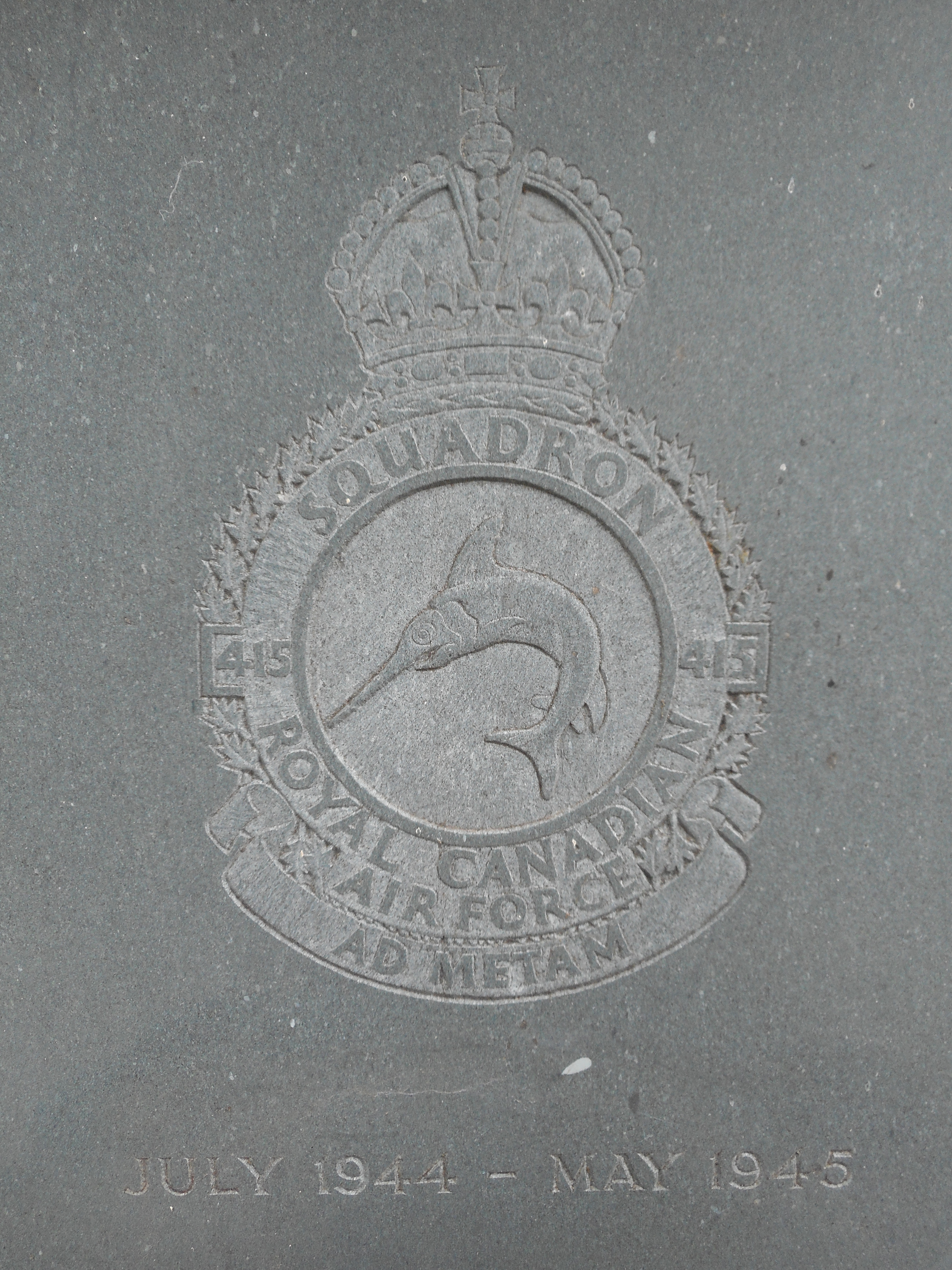
| Location | Village Centre, Sutton on the Forest, North Yorkshire |
| Country | United Kingdom |
| Memorial Type | Inscribed Stone & Metal Sun Dial |
| Memorial Text | A memorial to all those who served at RAF East Moor and in particular 415 Sqn RCAF |

| Location | Allerton Park Castle, Allerton, North Yorkshire |
| Country | United Kingdom |
| Memorial Type | Inscribed Metal Plaque |
| Memorial Text | Memorial Garden dedicated to the 4272 personnel of 6 (RCAF) Gp based at Allerton Castle who gave the ultimate sacrifice during WWII to preserve our freedom |


| Location | Yorkshire Air Museum, Elvington, North Yorkshire |
| Country | United Kingdom |
| Memorial Type | Propeller Unit & Inscribed Marble Tablets |
| Memorial Text | Dedicated to the men & women of 6 (RCAF) Gp Bomber Command and to the 9980 Canadians lost serving in Bomber Command. |


Miscellaneous Information
| Born 3 October 1914 Quebec, Canada. |
| He had been in command of the squadron for less than a month. He had previously completed a tour with 77 Squadron (January to August 1940). During his time at 77 Squadron he was abandoned an aircraft over England on a training flight in April 1940. His crew had to bail out again after returning from an op to Mannheim on 13 July 1940 when their aircraft was badly damaged by flak. He ordered the crew to bail out when they reached England and he safely crash landed the aircraft. In July 1940 their aircraft had been damaged again by flak and they limped home on one engine. In August 1940 they were attacked by a German night fighter and evaded it successfully. He was posted to Newfoundland between 1941 to 1942, doing 43 sorites of anti-submarine patrols to protect the convoys transporting goods to England. On returning to England he crewed up again on Course 78 at 15 OTU (along with Farquhar and Renton) and graduated from HCU on Halifaxes, being posted to 427 Sqn on 17 May 1943, where his crew completed 2 ops. On 19 June he was posted to 434 Sqn as the A Flight Commander. Then he and his crew were sent to 429 Sqn when W/C Savard and his crew were killed on an op to Mulheim on 22/23 June 1943. |
| He arrived in UK in November 1936 from Quebec, aged 22. |
The National Archives
| Record of Events (Operational Record Book) AIR 27/1852/14 |
| Summary of Events (Operational Record Book) AIR 27/1852/14 |
Fellow Servicemen
Please note that this list gives all the losses aboard the quoted aircraft and occasionally these may have occurred on an earlier date when the aircraft was not itself lost. Please check the dates of death carefully.
| Name | Outcome |
|---|---|
| Farquhar A R A (F/O) | Died |
| Renton P (F/O) | Died |
Last Operation Information
| Start Date | 27-07-1943 |
| End Date | 28-07-1943 |
| Takeoff Station | East Moor |
| Day/Night Raid | Night (15% moon) |
| Operation | Hamburg. 787 aircraft, 17 losses (2.2%). For the second consecutive raid, Brig. Gen. Anderson, the commander of the American 8th Air Force, flew as an observer on this operation. PFF used H2S to mark the target but were approximately 3km east of the centre of the city but was at least concentrated, leading to concentrated bombing with little creepback. This raid caused a firestorm resulting from very high summer temperatures and low humidity following a particularly dry spell. Most of the fire crews were in the west of the city following the raid of three nights earlier and few could make the journey to the new fires due to rubble blocking roads. The fires quickly joined into one mass of fire, drawing so much oxygen into the area that it caused storm-force winds. The fire raged for over three hours after the raid and only subsided when all combustible material was consumed. Approximately 40000 civilian deaths mostly from asphyxiation resulting from lack of oxygen. The raid led to an exodus of over 1.2 million people fearing another raid. |
| Reason for Aircraft Loss | Shot down by a night-fighter and crashed near Neumünster, Germany |