DWAN LS
Dwan, Leonard Stanley Died
Personal Information
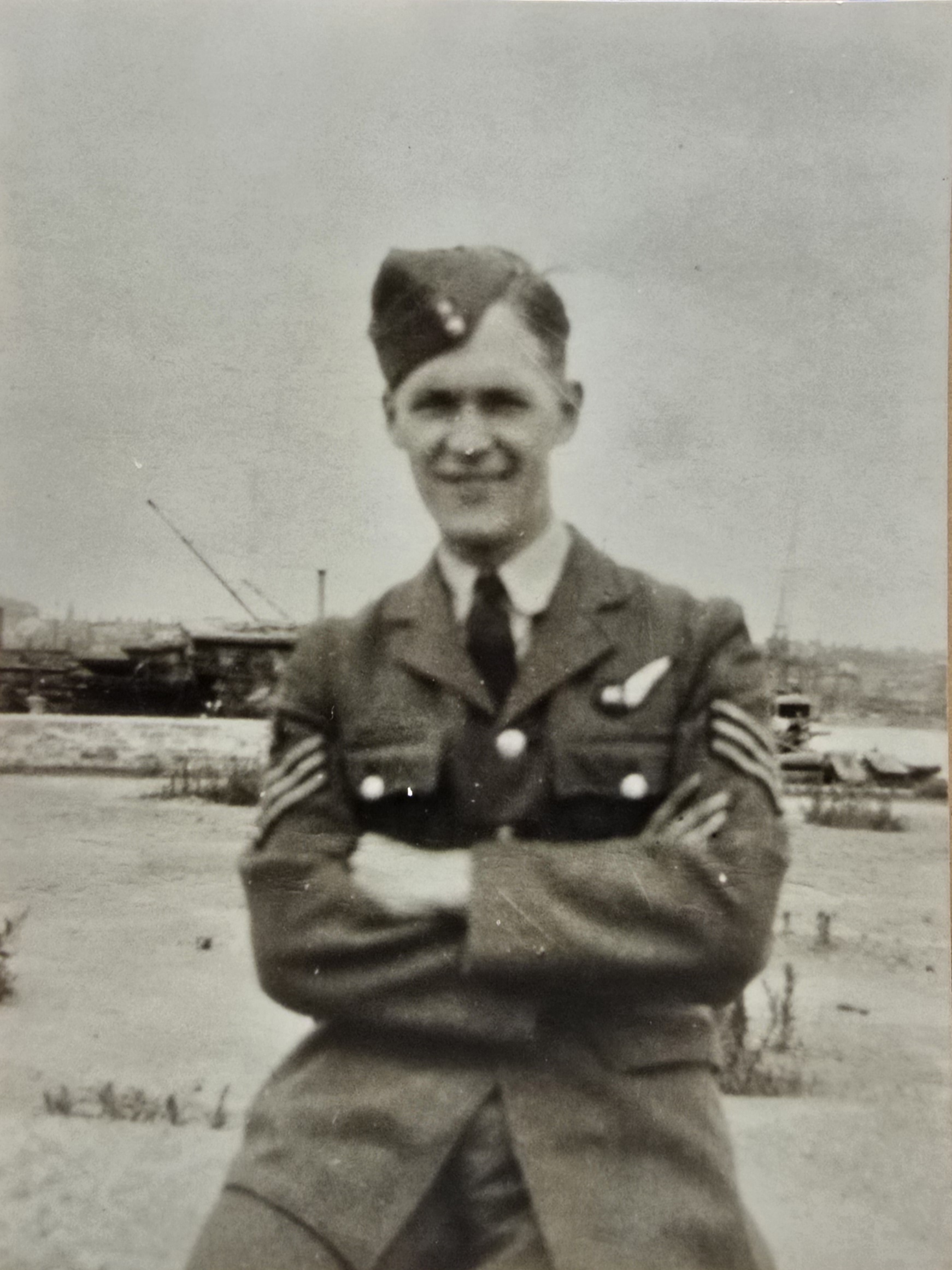
| Rank | Sgt |
| Forename(s) | Leonard Stanley |
| Surname | Dwan |
| Gender | M |
| Age | 23 |
| Date of Death | 03-06-1944 |
| Next of Kin | Son of George Charles and Lily Sarah Dwan, of Rotherhithe, London. |
Aircraft Information
| Aircraft | Handley Page Halifax III |
| Serial Number | LV792 |
| Markings | NP-E |
Memorial Information
| Burial/Memorial Country | United Kingdom |
| Burial/Memorial Place | Runnymede Memorial |
| Grave Reference | Panel 228. |
| Epitaph | HIS DUTY FEARLESSLY AND NOBLY DONE. EVER REMEMBERED |
IBCC Memorial Information


| Phase | 2 |
| Panel Number | 158 |
Enlistment Information
| Service Number | 1335418 |
| Service | Royal Air Force Volunteer Reserve |
| Group | 4 |
| Squadron | 158 |
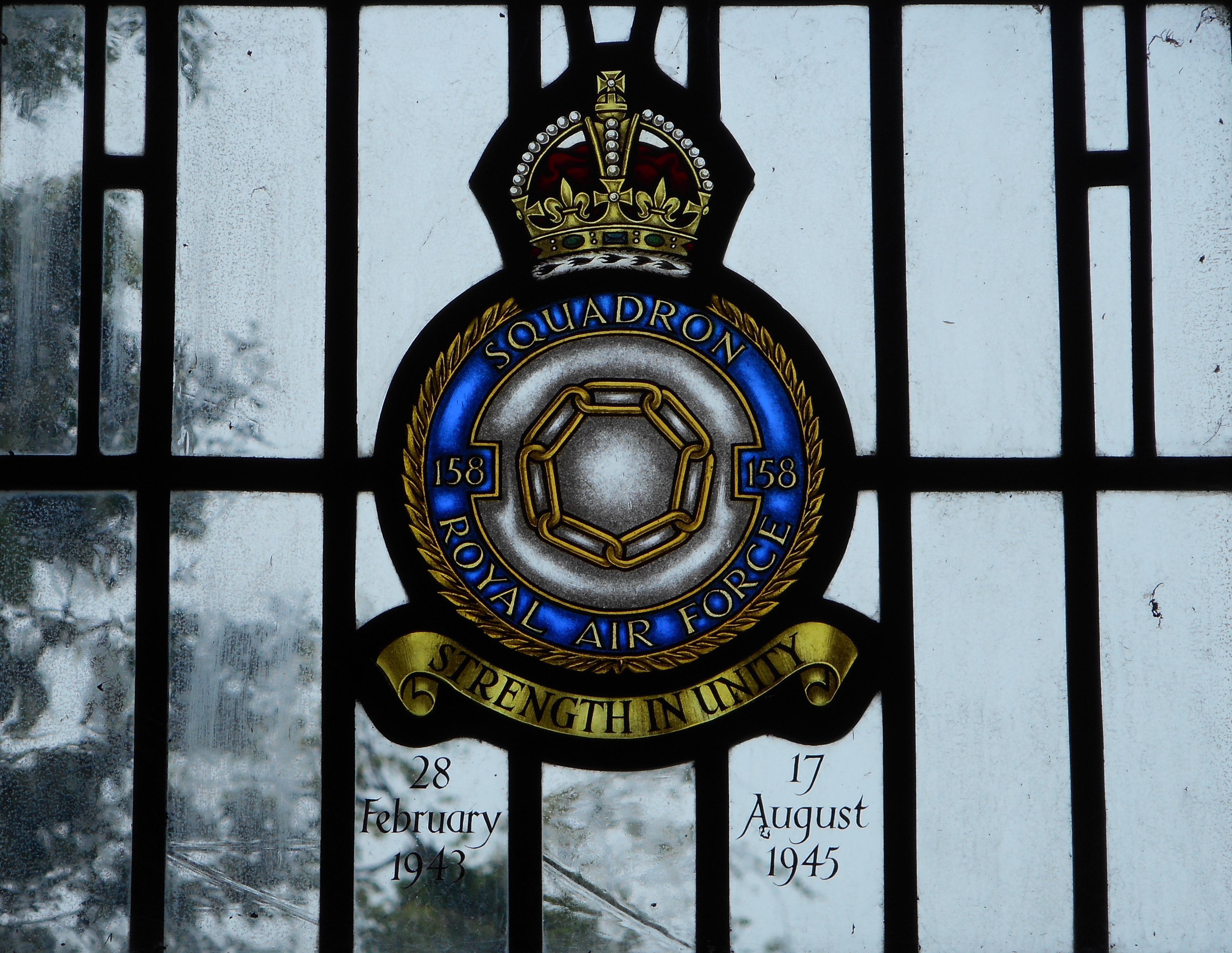
| Squadron Motto | Strength in unity |
| Trade | WOp/AG |
| Country of Origin | United Kingdom |
Other Memorials
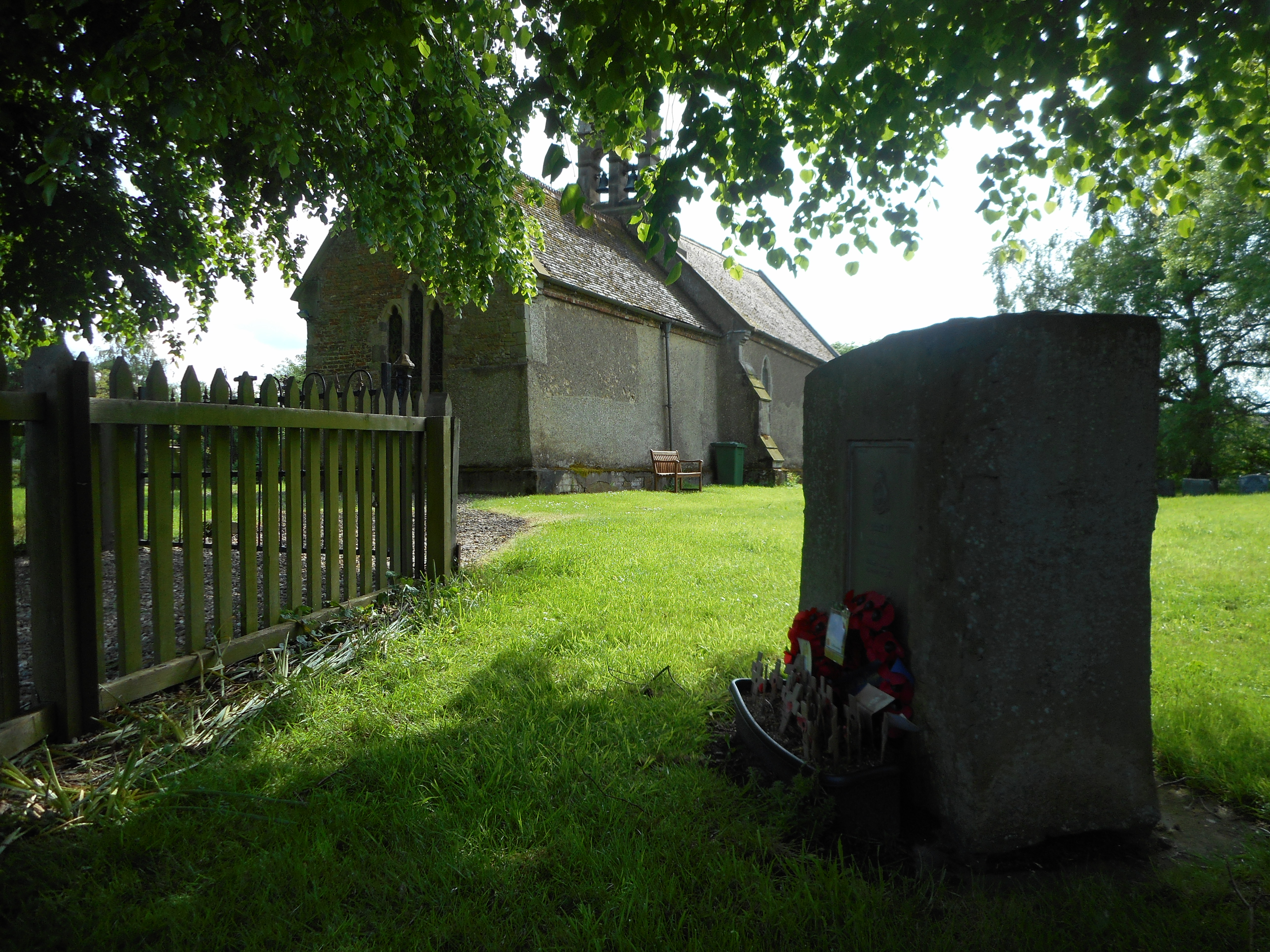
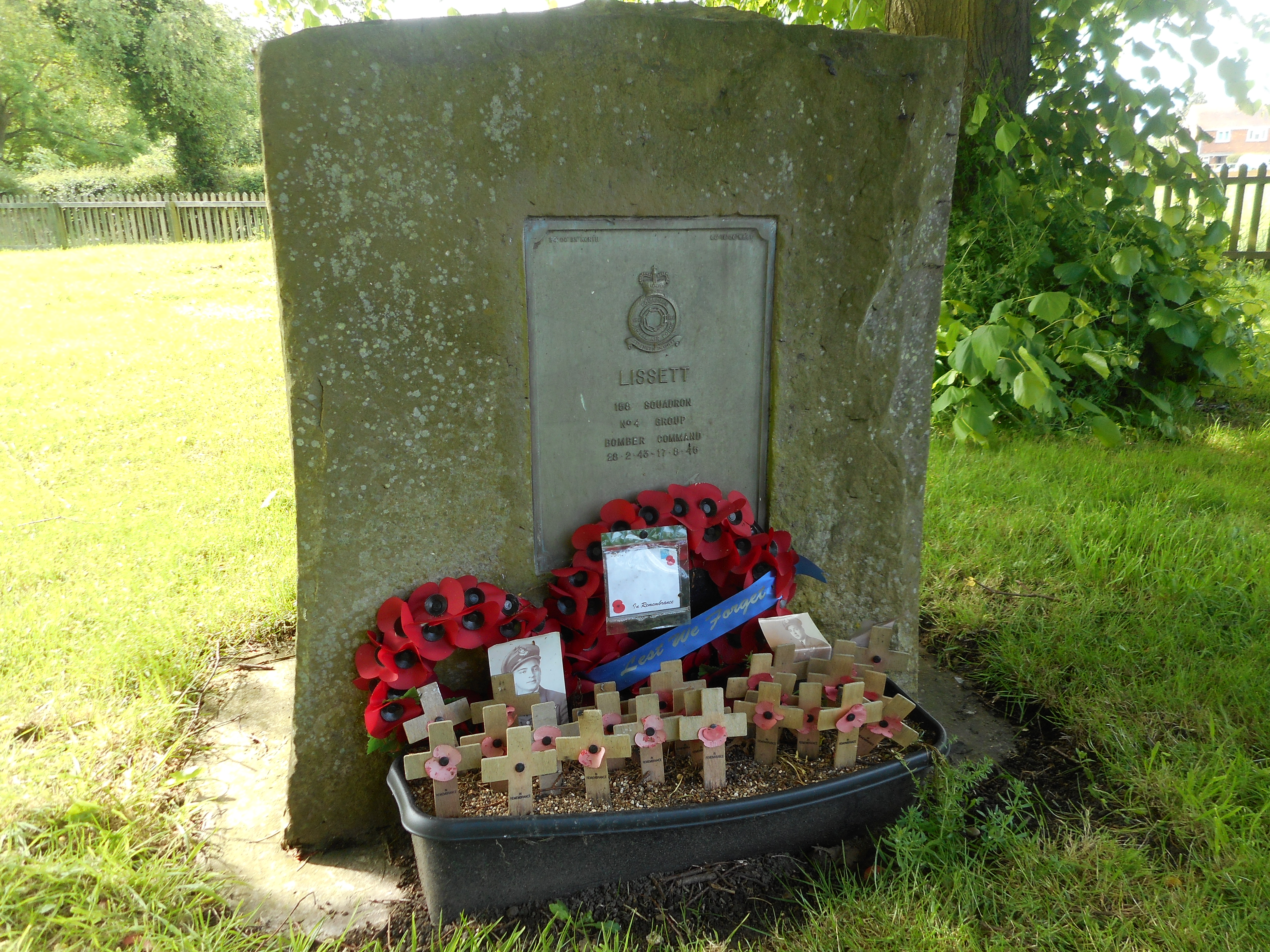
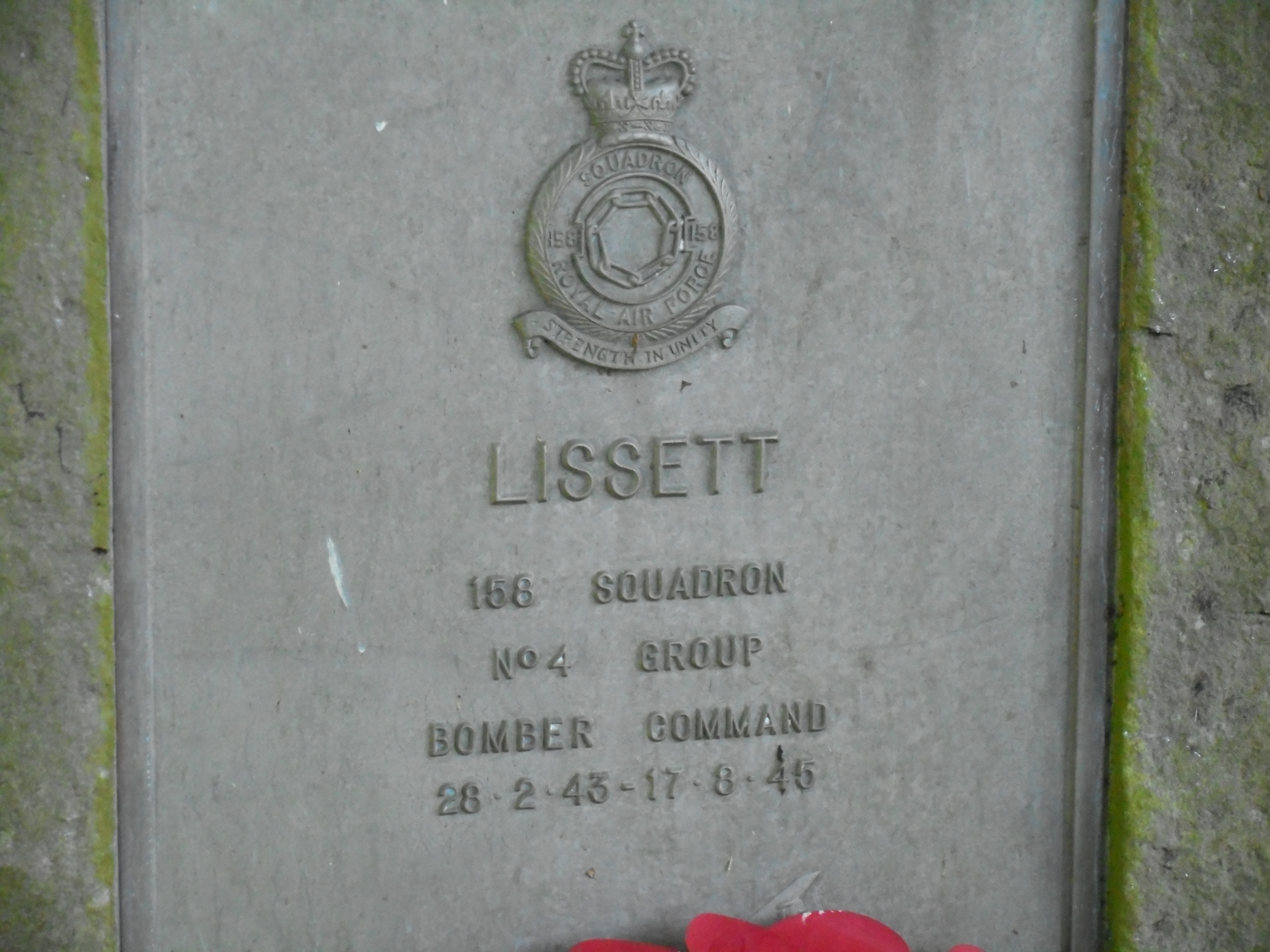
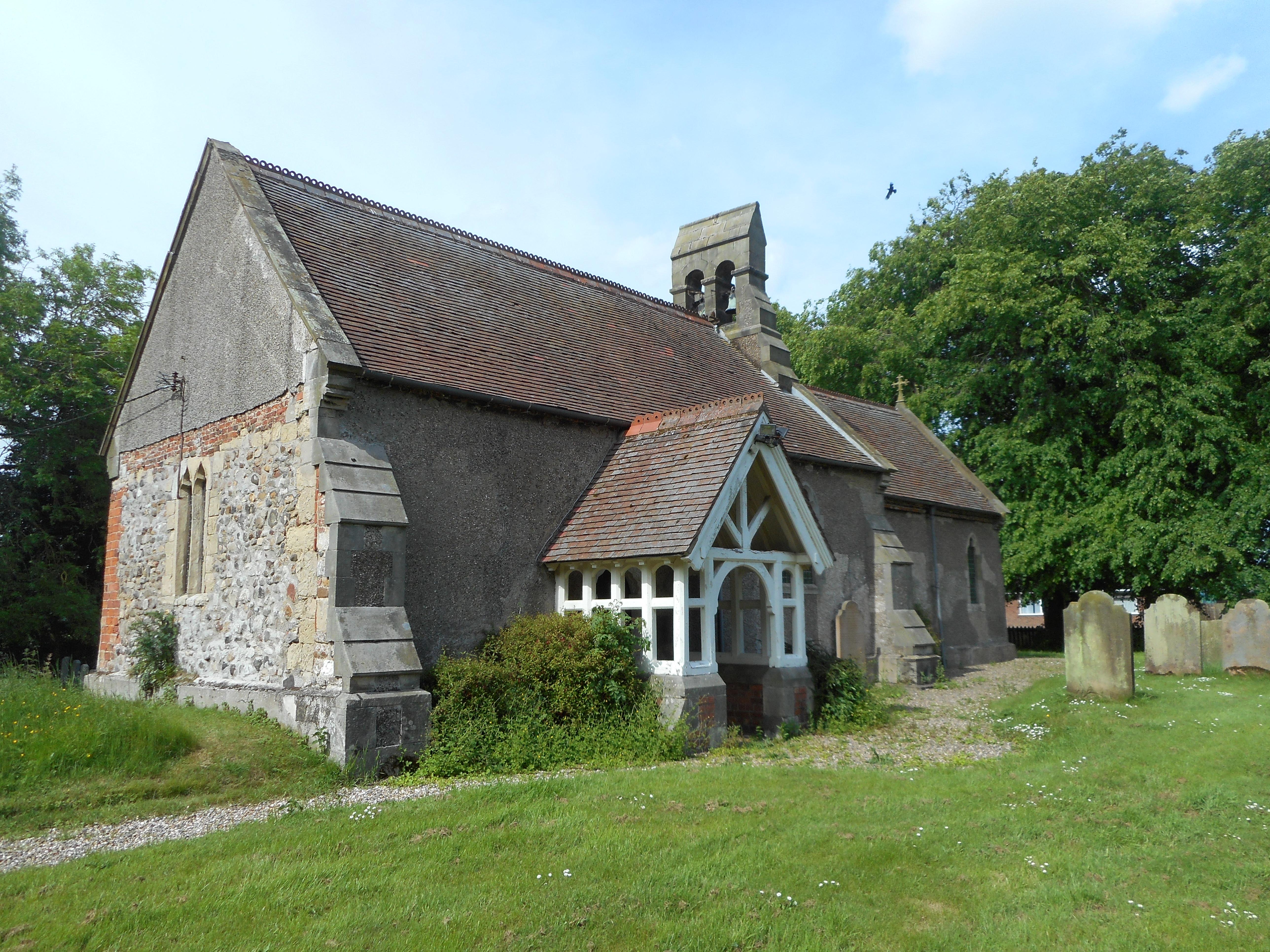
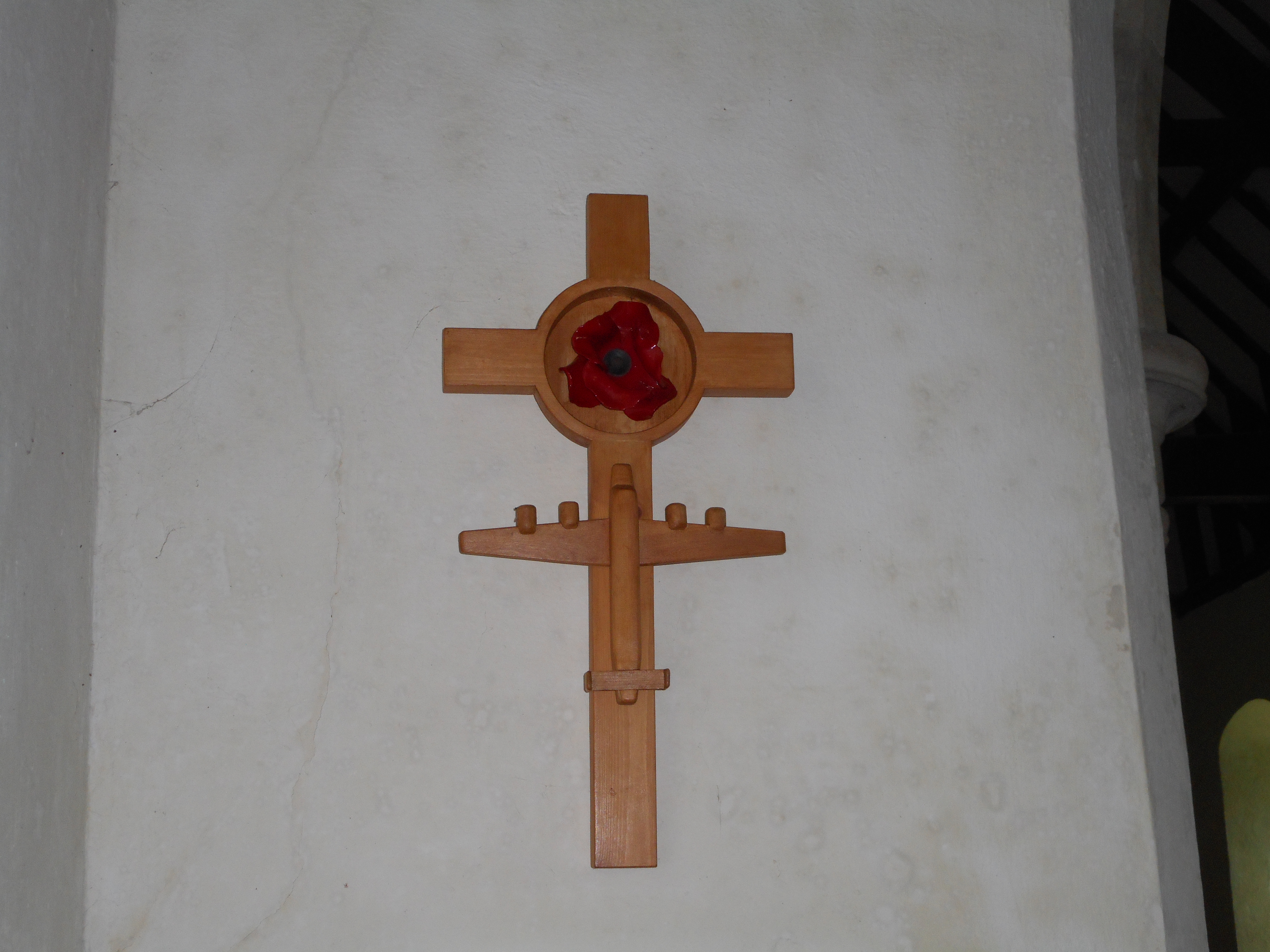
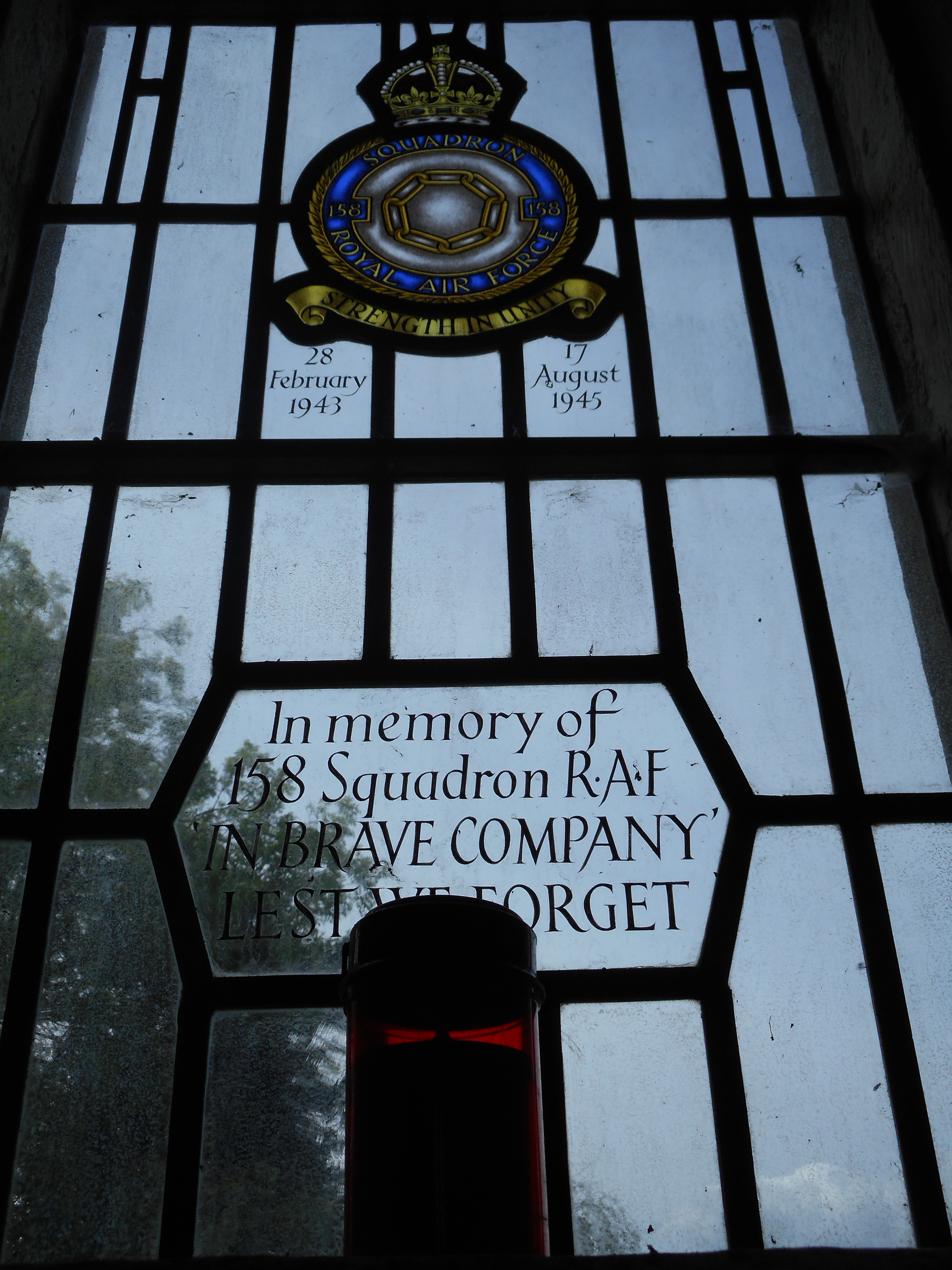
| Location | St. James of Compostola Church, Lissett, East Yorkshire |
| Country | United Kingdom |
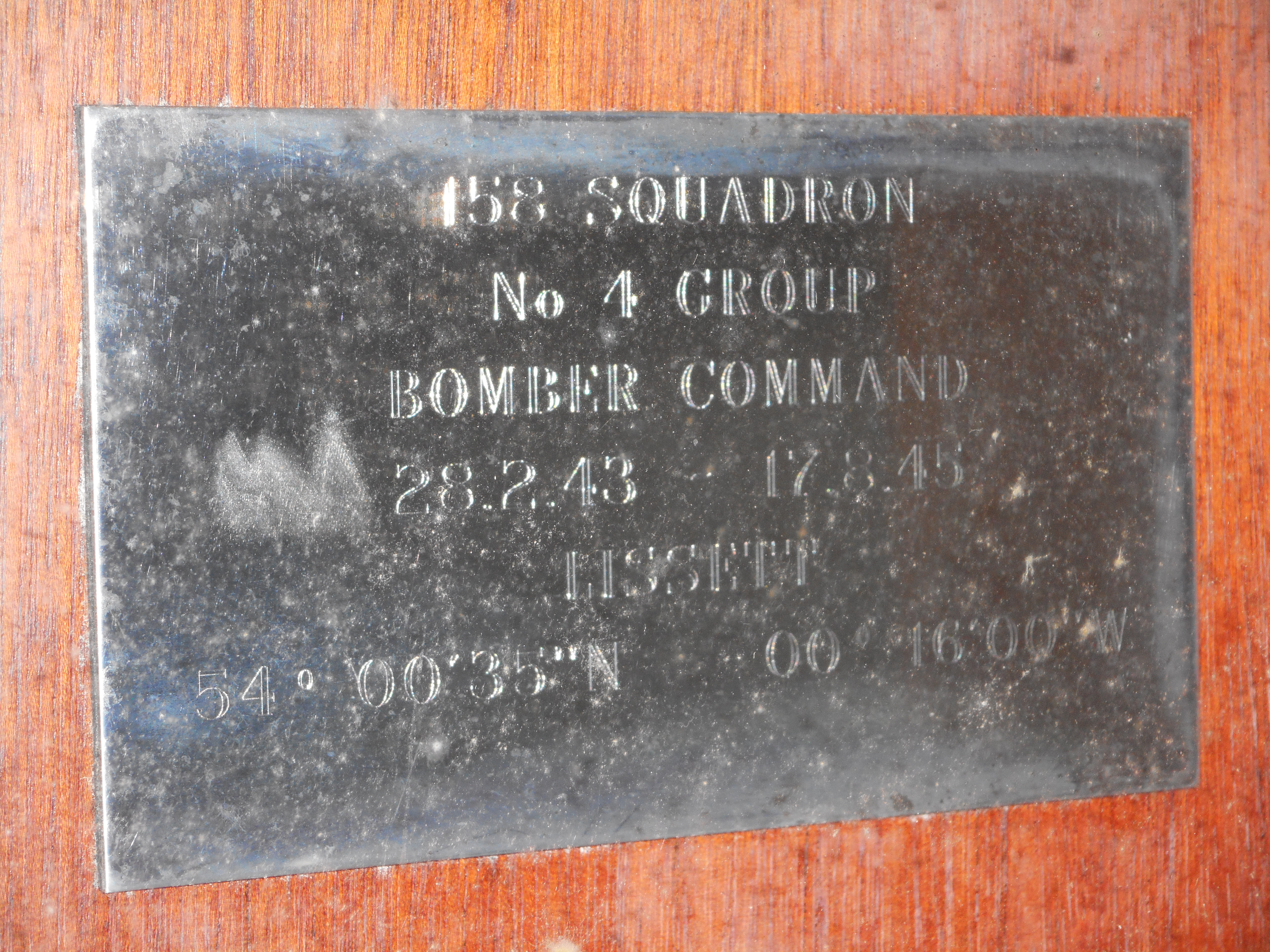
| Memorial Type | Memorial Stone & Inscribed Metal Plaque |
| Memorial Text | Memorial to 158 Sqn, RAF Lissett 28th February 1943 - 17th August 1946 |
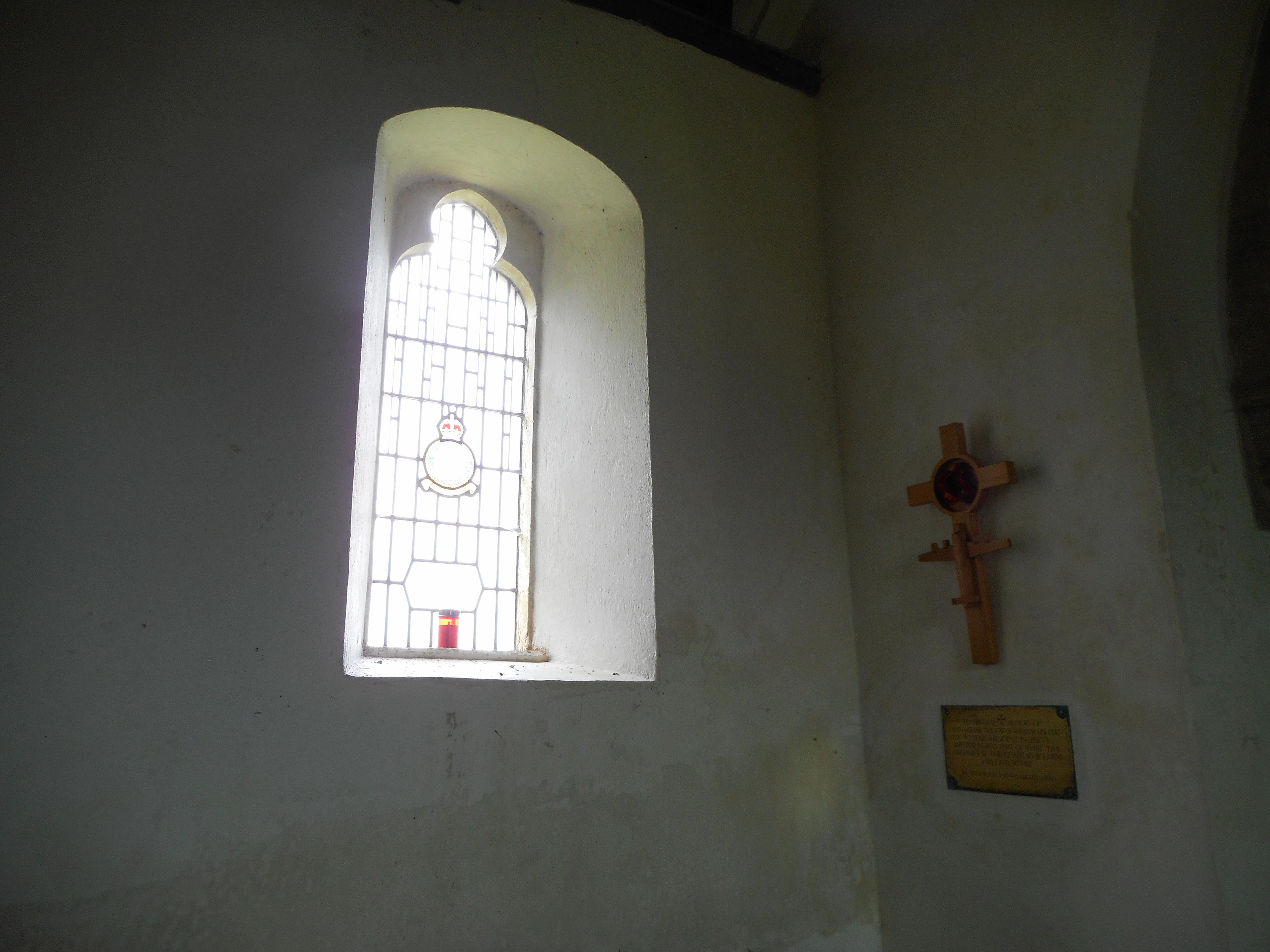
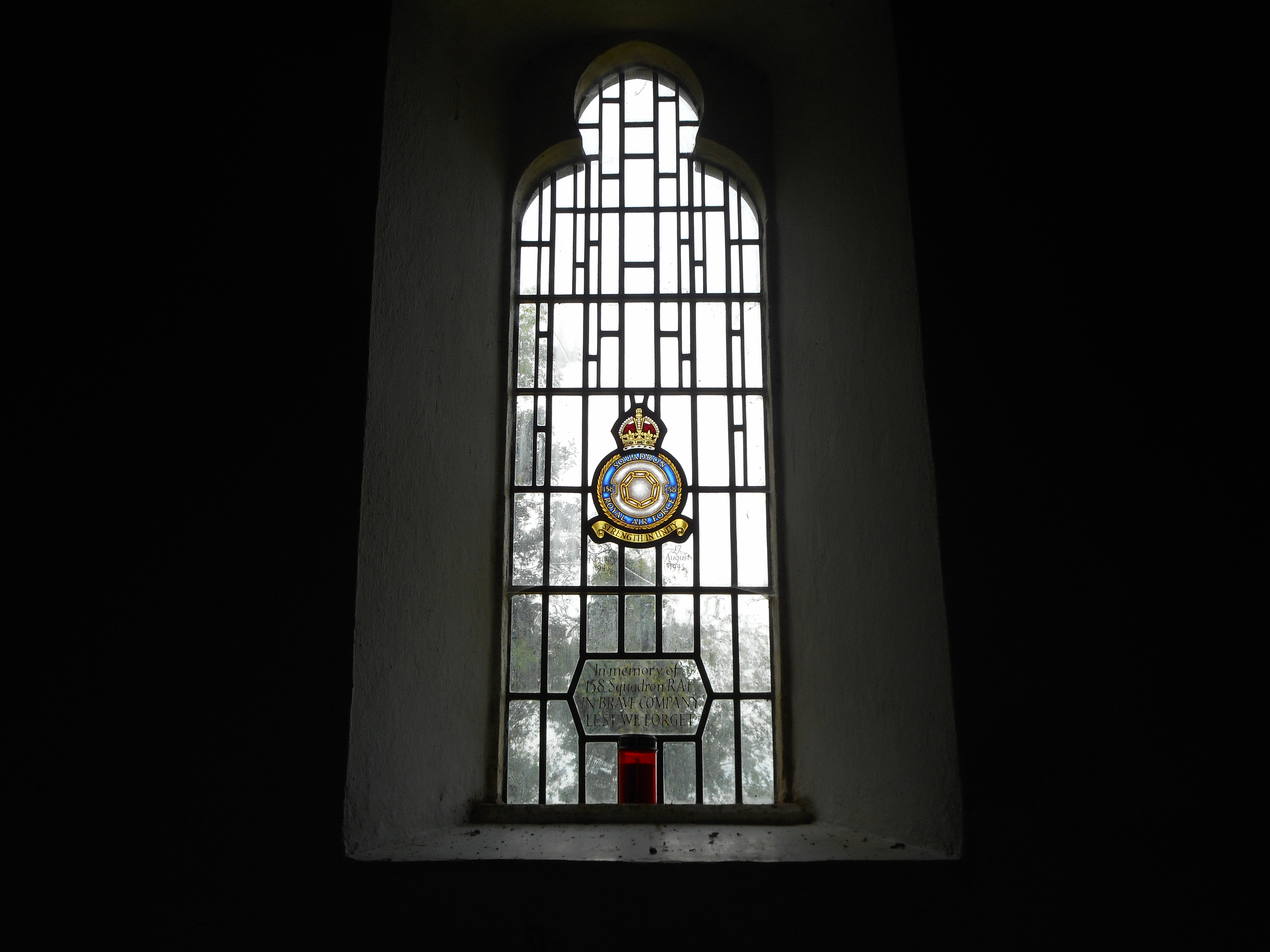
| Location | St. James of Compostola Church, Lissett, East Yorkshire |
| Country | United Kingdom |
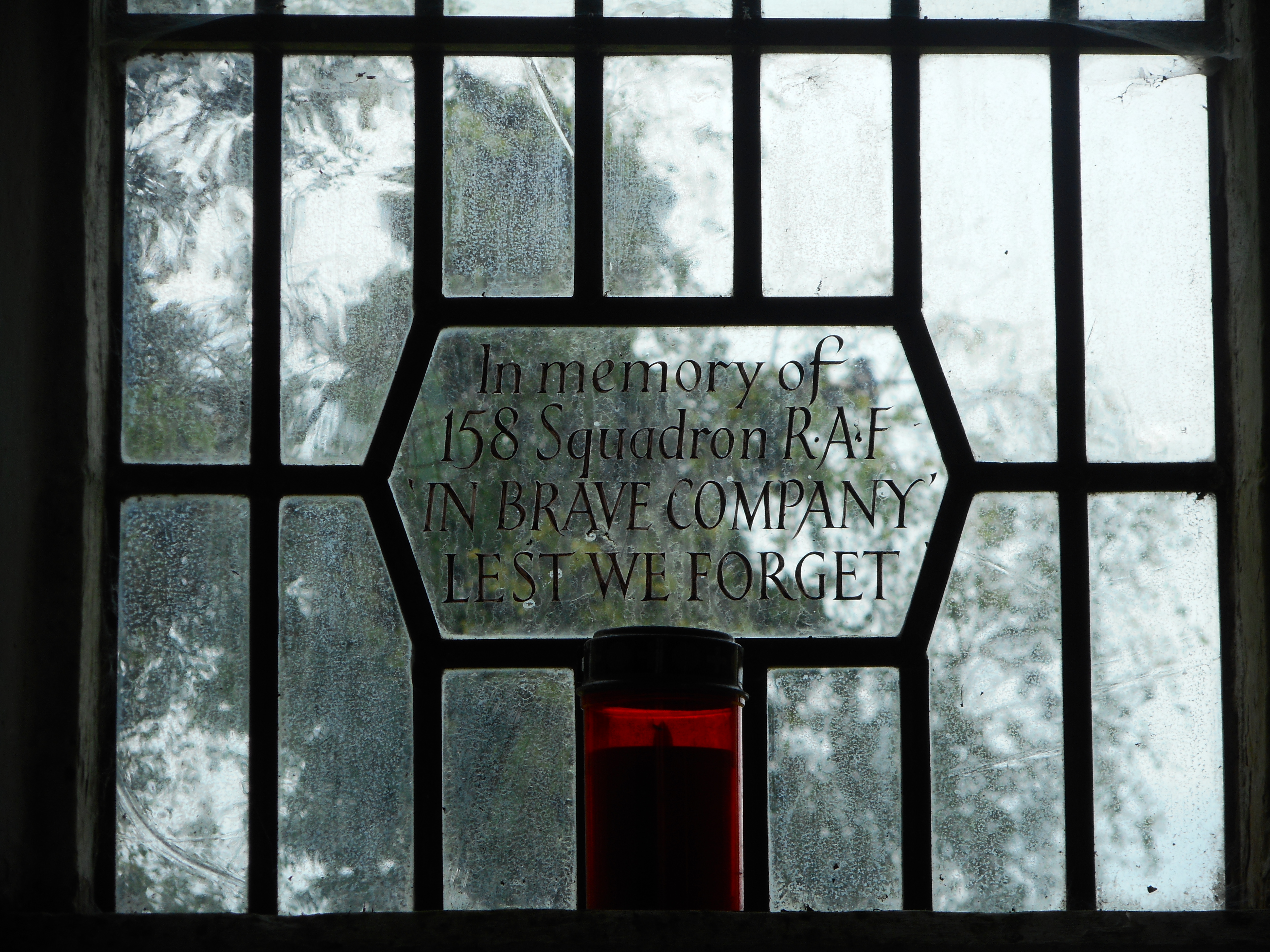
| Memorial Type | Stained Glass Window & Inscribed Metal Plaques |
| Memorial Text | A stained glass window in memory of 158 Sqn RAF |
| Location | Adjacent to former airfield, Lissett, East Yorkshire |
| Country | United Kingdom |
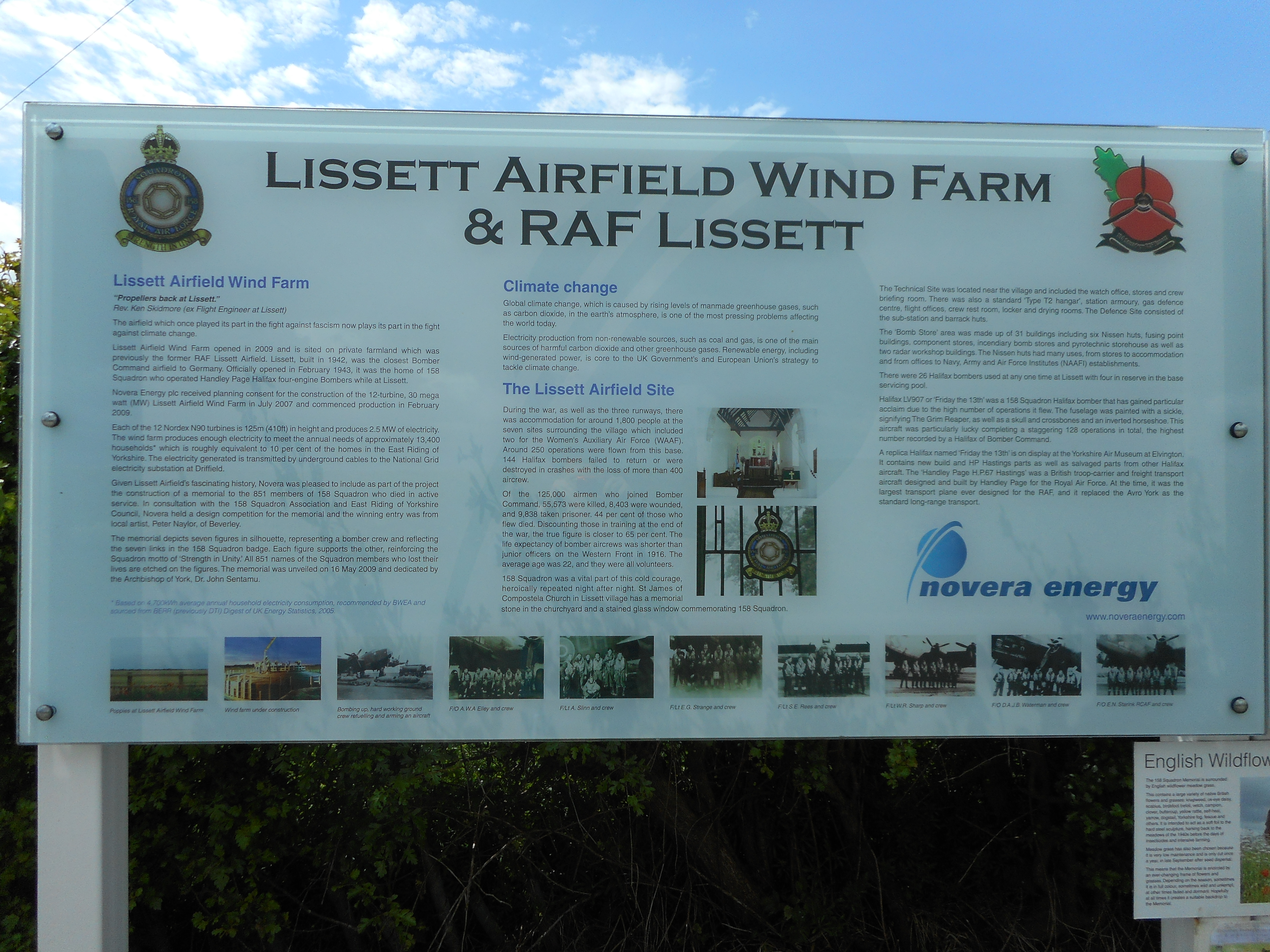
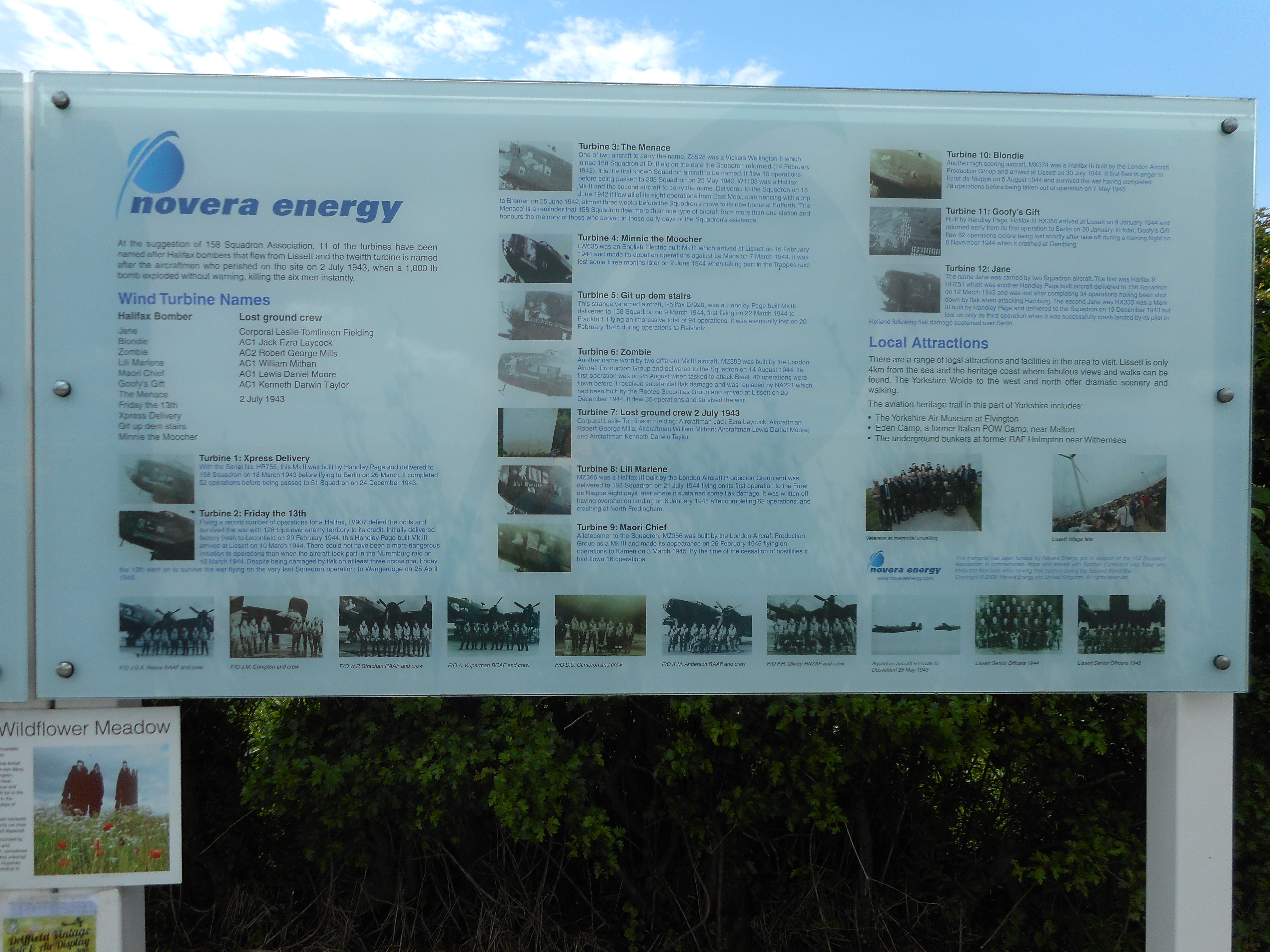
| Memorial Type | Metal Sculpture, Wind Turbines & Info Board |
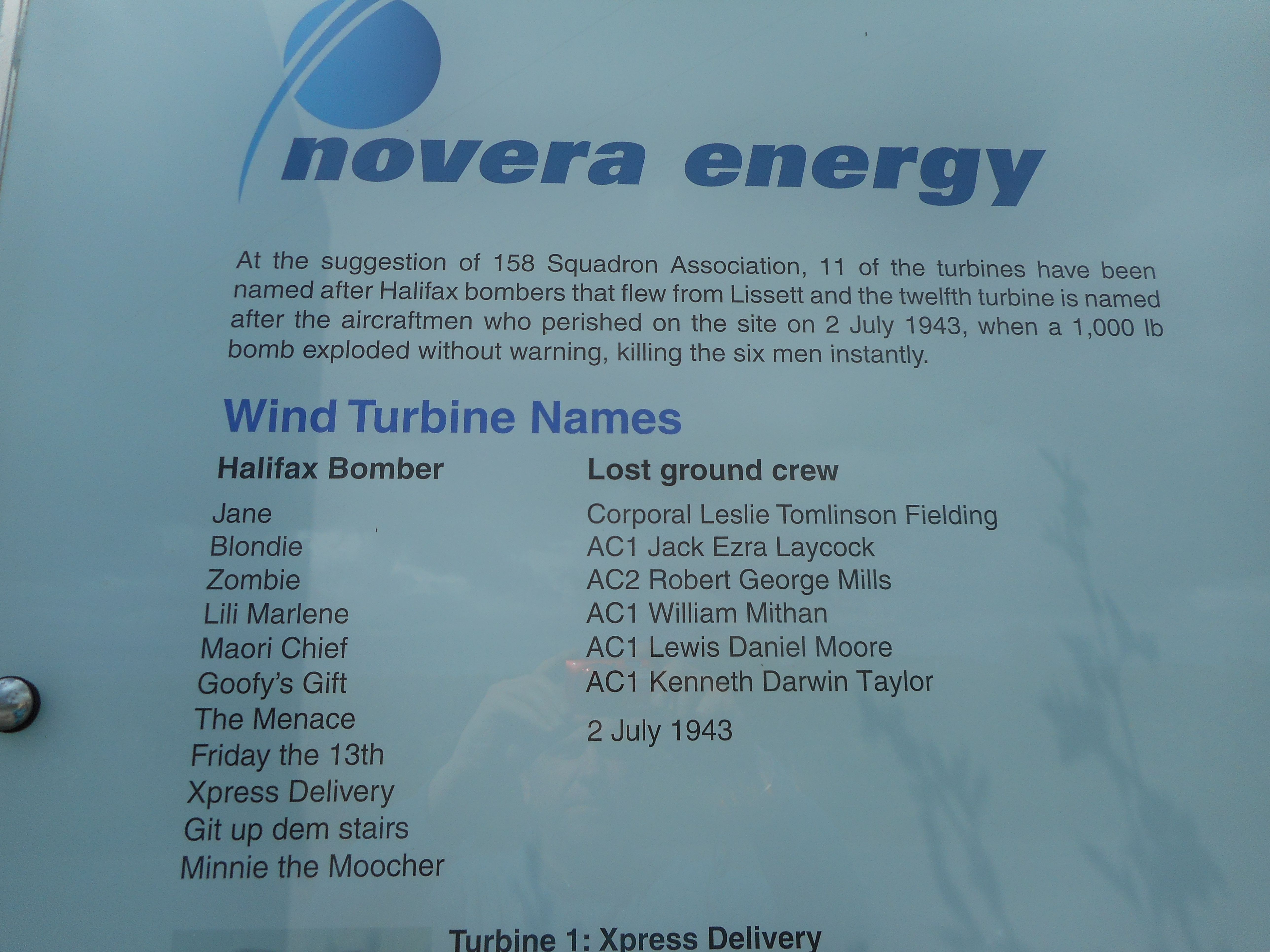
| Memorial Text | 12 wind turbines named after Halifax Bombers of 158 Sqn and groundcrew who were killed on 2nd July 1943 |
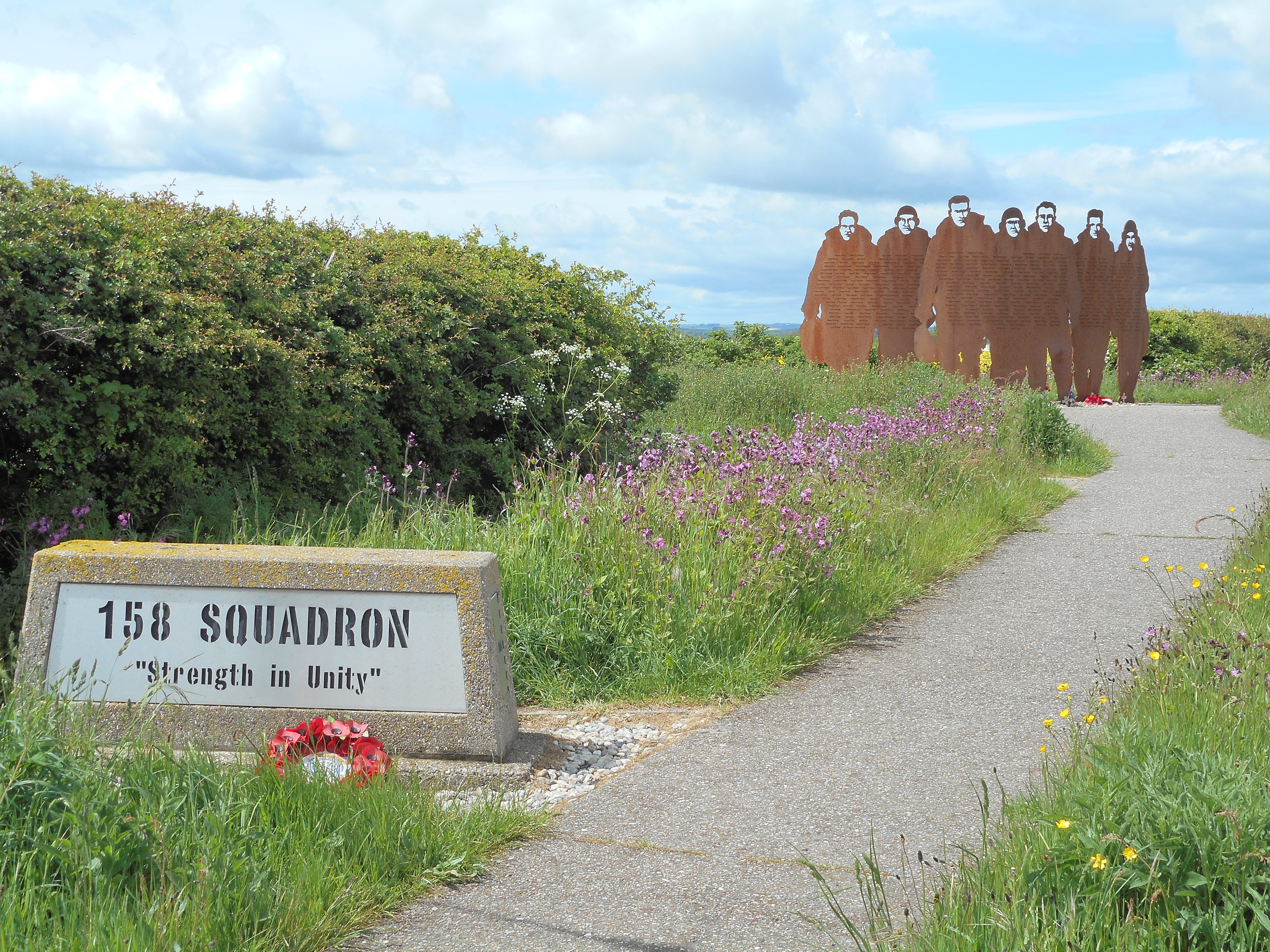
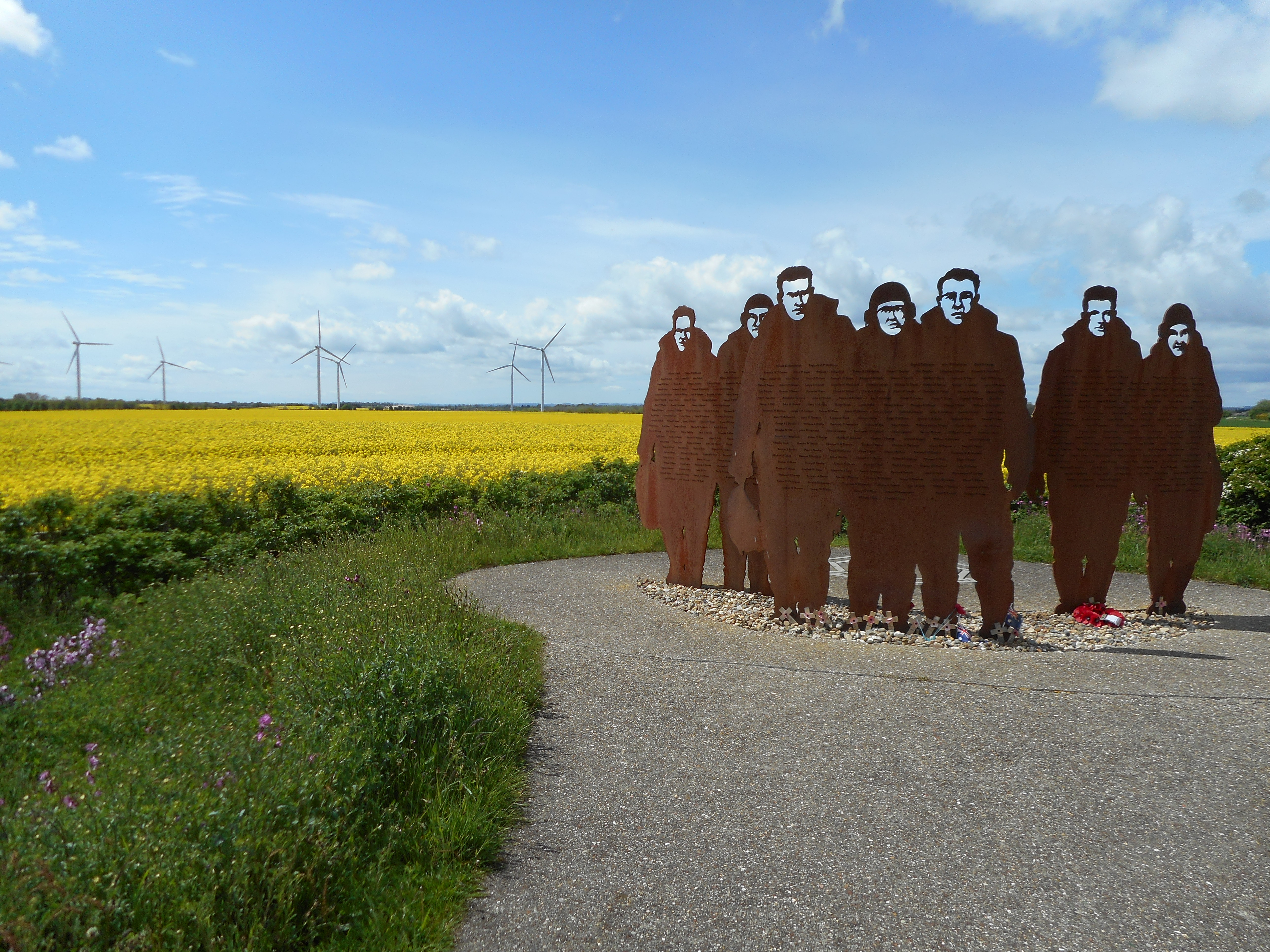
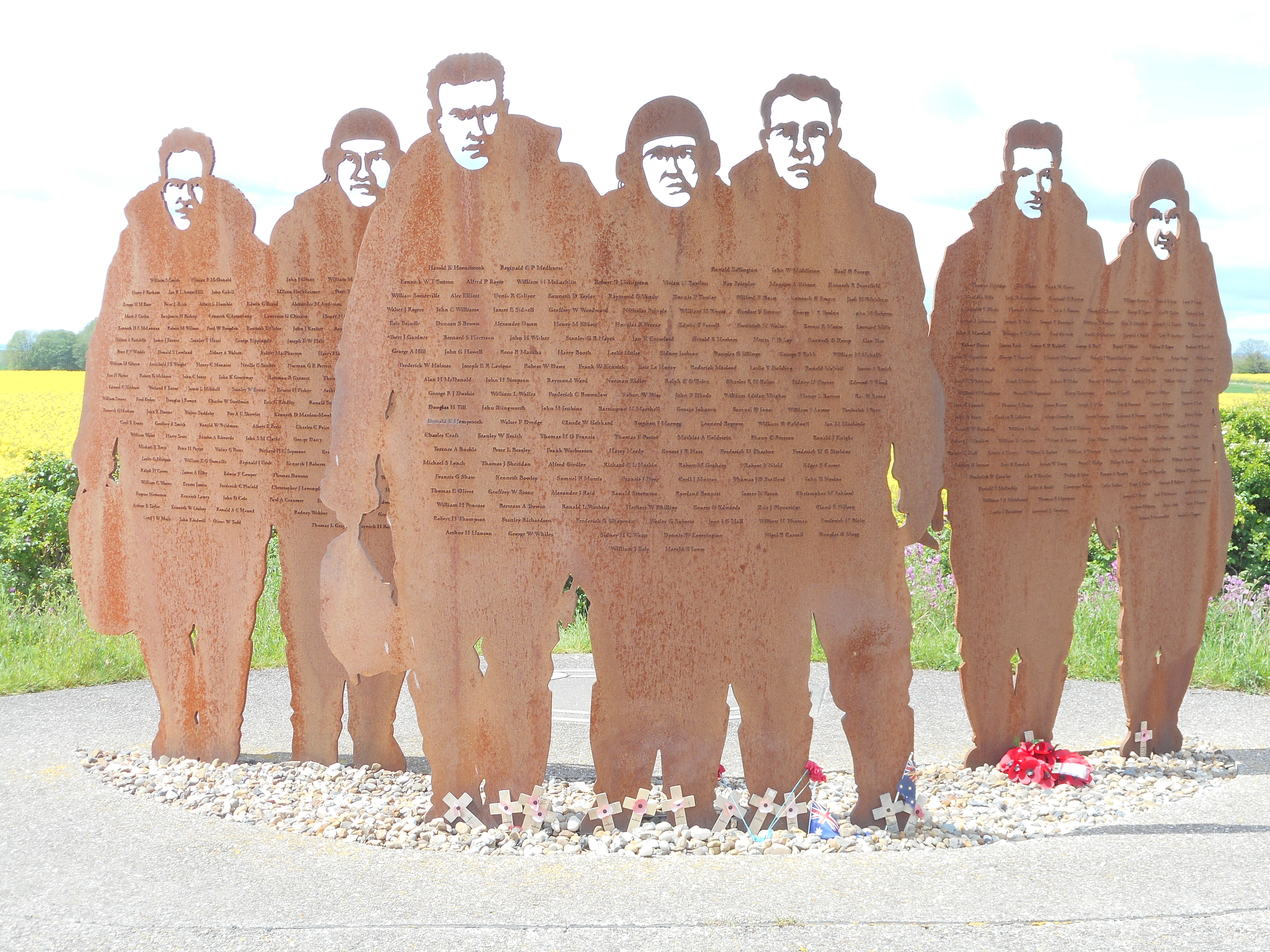
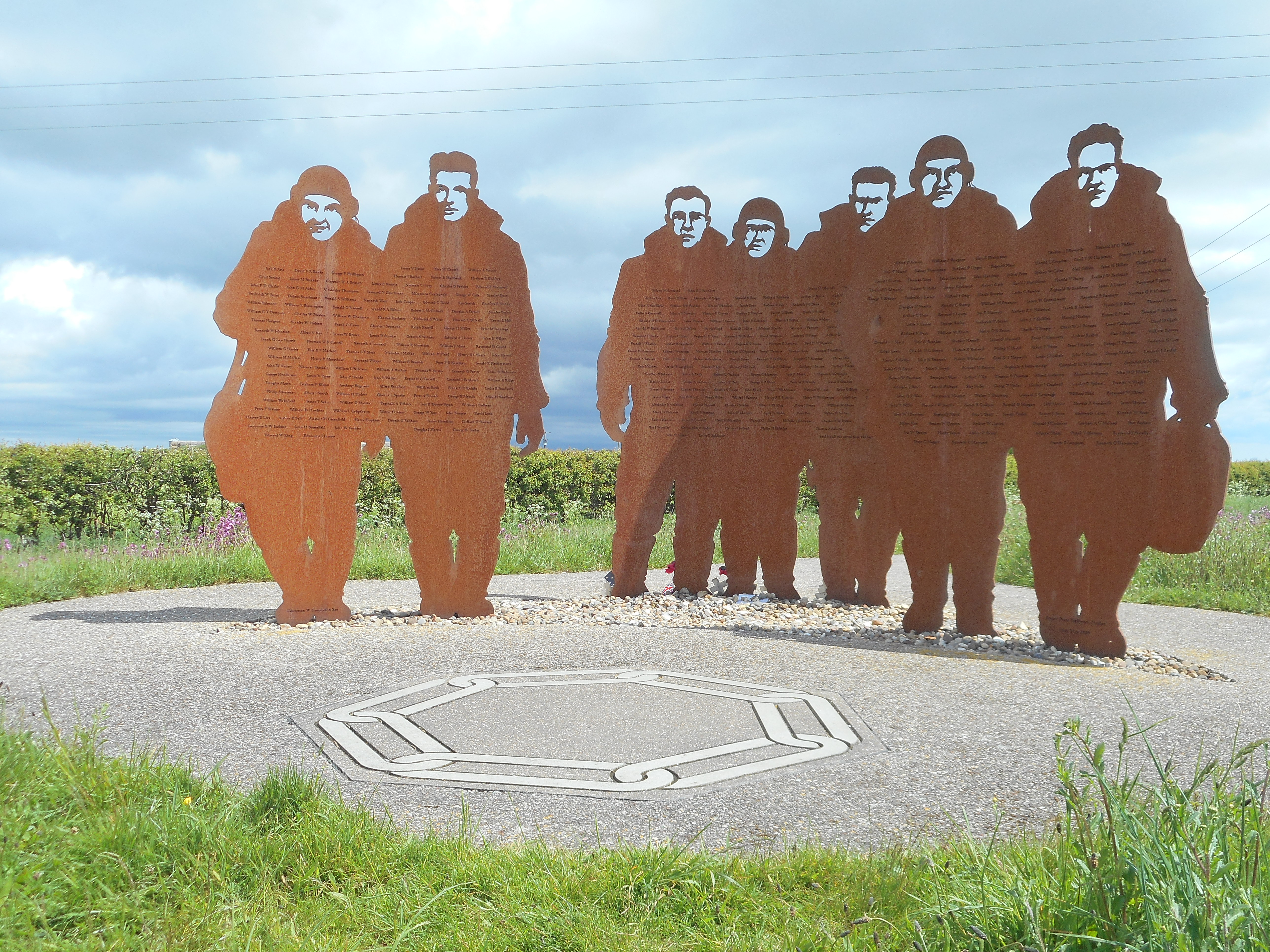
| Location | Yorkshire Air Museum, Elvington, North Yorkshire |
| Country | United Kingdom |
| Memorial Type | Memorial Gardens, Propeller, Inscribed Marble Tablets |
| Memorial Text | In everlasting homage to the courage of those who have found their winged victory through the skies of Yorkshire |


| Location | Yorkshire Air Museum, Elvington, North Yorkshire |
| Country | United Kingdom |
| Memorial Type | Propeller Unit & Inscribed Marble Tablets |
| Memorial Text | They made the supreme sacrifice so that you & I may go in peace with freedom. 4 Group 1939 - 1945. |


| Location | Heslington Hall, York, North Yorkshire |
| Country | United Kingdom |
| Memorial Type | Inscribed Metal Plaque |
| Memorial Text | Heslington Hall 1941 - 1945, 4 Gp Headquarters Bomber Command. In remembrance of those Air & Ground personnel who made the supreme sacrifice that we all may walk in peace with freedom |


Miscellaneous Information
| 158 Squadron Lost six Halifaxes on this raid |
| LV792 was Captained by 421635 Pilot Officer Bruce Bancroft, RAAF. The Halifax was one of 128 aircraft on the raid to Trappes, which was intended to produce maximum disruption to German transportation prior to the D-Day landings only 3 days later. The bombers were engaged by German night fighters which destroyed 15 Halifaxes and one Lancaster. A German Junkers Ju 88 raked P/O Bancroft's Halifax from below and from end to end. Bancroft's combat report appeared in Air Ministry Bulletin No 14233: "He set us alight in the bomb bay as well as inside the fuselage, just in front of the rear bulkhead. There was a hole in the floor from one side of the aircraft to the other, three feet wide. Halfway up, the fuselage had been riddled with machine-gun bullets. There was a great hole near the wireless position (and no sign of Leonard) and the inter-com had been shot to pieces. One of the port petrol tanks was leaking. One compass was smashed, another 90 degrees out. In the starboard side of the cockpit there was another big hole. Both turrets were useless. All the hydraulics were gone and, as a result, the flaps dropped. The undercarriage was only held in position by the locks, and the bomb bay doors fell wide open. I had no idea how much petrol we had left. The gauges were useless - one said 10 gallons, enough for only five minutes, but that tank kept us going all the way home. Another showed 140 gallons but that tank was empty. "My rear gunner was jammed in his turret. He hacked his way out with an axe, jumped over the hole in the floor of the aircraft, and went forward - he had heard nothing from us on the inter-com. When he saw us he went back, got parachute and two fire extinguishers and tackled the blaze. The flames were leaping high and he soon used up the extinguishers. Then he beat out the fire with his feet and hands. The navigator and the bomb aimer put out the fire in the bomb bay by squirting another extinguisher through the inspection panel. "The starboard inner engine had also caught fire. I switched it off and feathered the propeller and the fire went out. Then I restarted the engine and it went all right. The whole aircraft was full of fumes and I had to open the window, even though there was that great hole not far from my head. When we got to the French coast we flew right over a town at 3,000 feet without a single gun fired at us. We crossed the sea at 2,000 feet, expecting to have to ditch at any moment. But somehow we made it and got down safely (at Hurn, near Bournemouth), though I found when we landed that the tail wheel had burst. The Halifax slewed in a half circle but I managed to pull it up safely." |
The National Archives
| Record of Events (Operational Record Book) AIR 27/1049/12 |
| Summary of Events (Operational Record Book) AIR 27/1049/12 |
Last Operation Information
| Start Date | 02-06-1944 |
| End Date | 03-06-1944 |
| Takeoff Station | Lissett |
| Day/Night Raid | Night (85% moon) |
| Operation | Trappes- to bomb the railway yards. 128 aircraft, 16 losses (12.5%). Most of the bombing fell in the eastern portion of the target area |
| Reason for Aircraft Loss | Attacked by a night-fighter (Ju 88) on return leg, tearing a large hole in the fuselage and setting light to the aircraft. It is thought that three of the crew fell out of the hole and although Sgt L Cotterell and Sgt K L G Le Heup survived (the former evading capture and the latter becoming a PoW), Sgt Dwan's body was never found |