CARSON WD
Carson, William Donald Died
Personal Information
| Rank | F/O |
| Forename(s) | William Donald |
| Surname | Carson |
| Gender | M |
| Age | 27 |
| Date of Death | 17-06-1944 |
| Next of Kin | Son of William Lorimer Carson and Nellie Murdoch Carson. Husband of Margaret Elizabeth Carson, of Seaforth, Ontario, Canada. |
Aircraft Information
| Aircraft | Handley Page Halifax III |
| Serial Number | LK879 |
| Markings | OW-P |
Memorial Information
| Burial/Memorial Country | Netherlands |
| Burial/Memorial Place | Amsterdam New Eastern Cemetery |
| Grave Reference | Plot 69. Row A. Coll. grave 1. |
IBCC Memorial Information


| Phase | 2 |
| Panel Number | 141 |
Enlistment Information
| Service Number | J/37796 |
| Service | Royal Canadian Air Force |
| Group | 6 |
| Squadron | 426 (Thunderbird) |
| Squadron Motto | On wings of fire |
| Trade | Air Gunner |
| Country of Origin | Canada |
Other Memorials
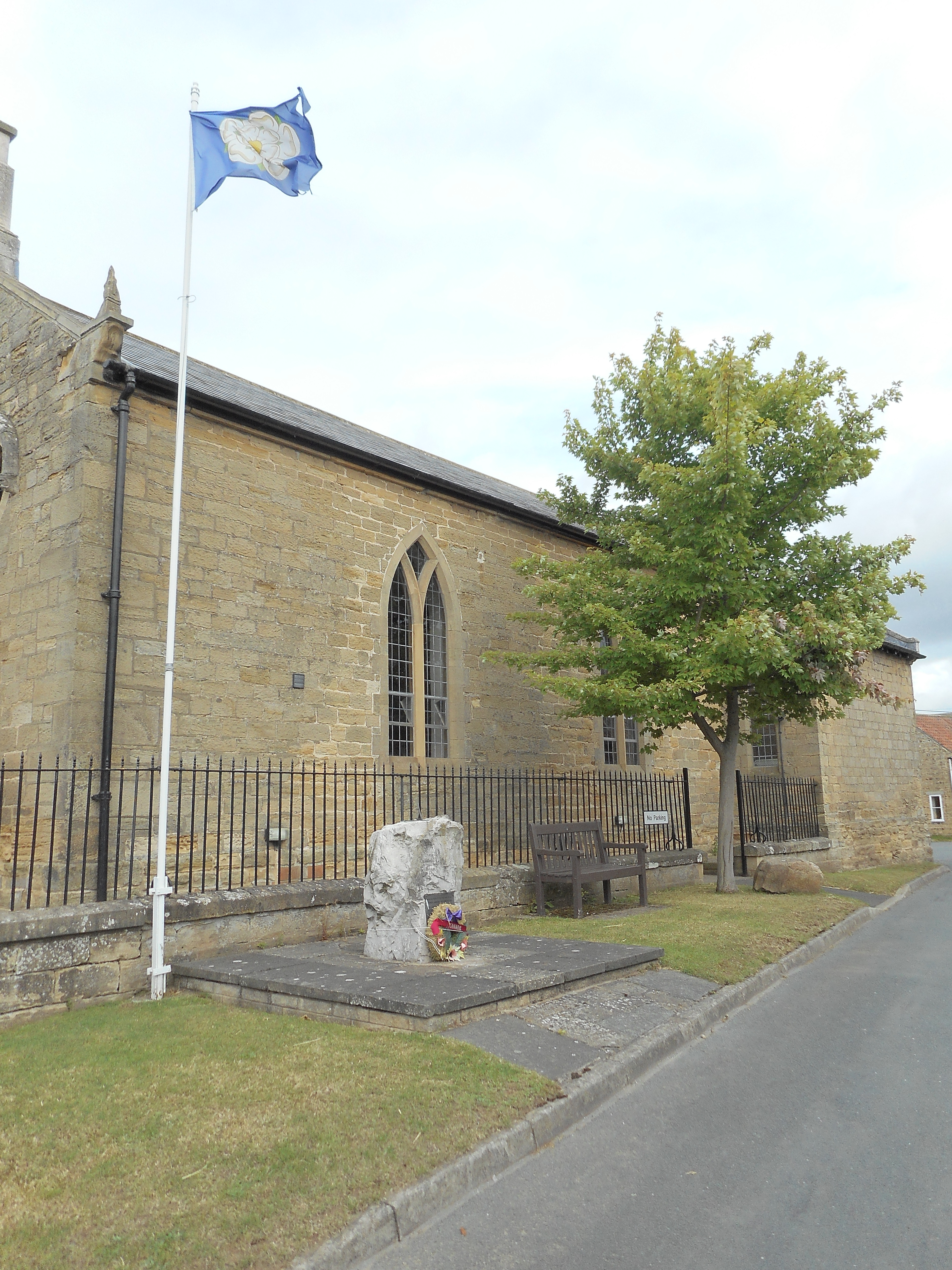
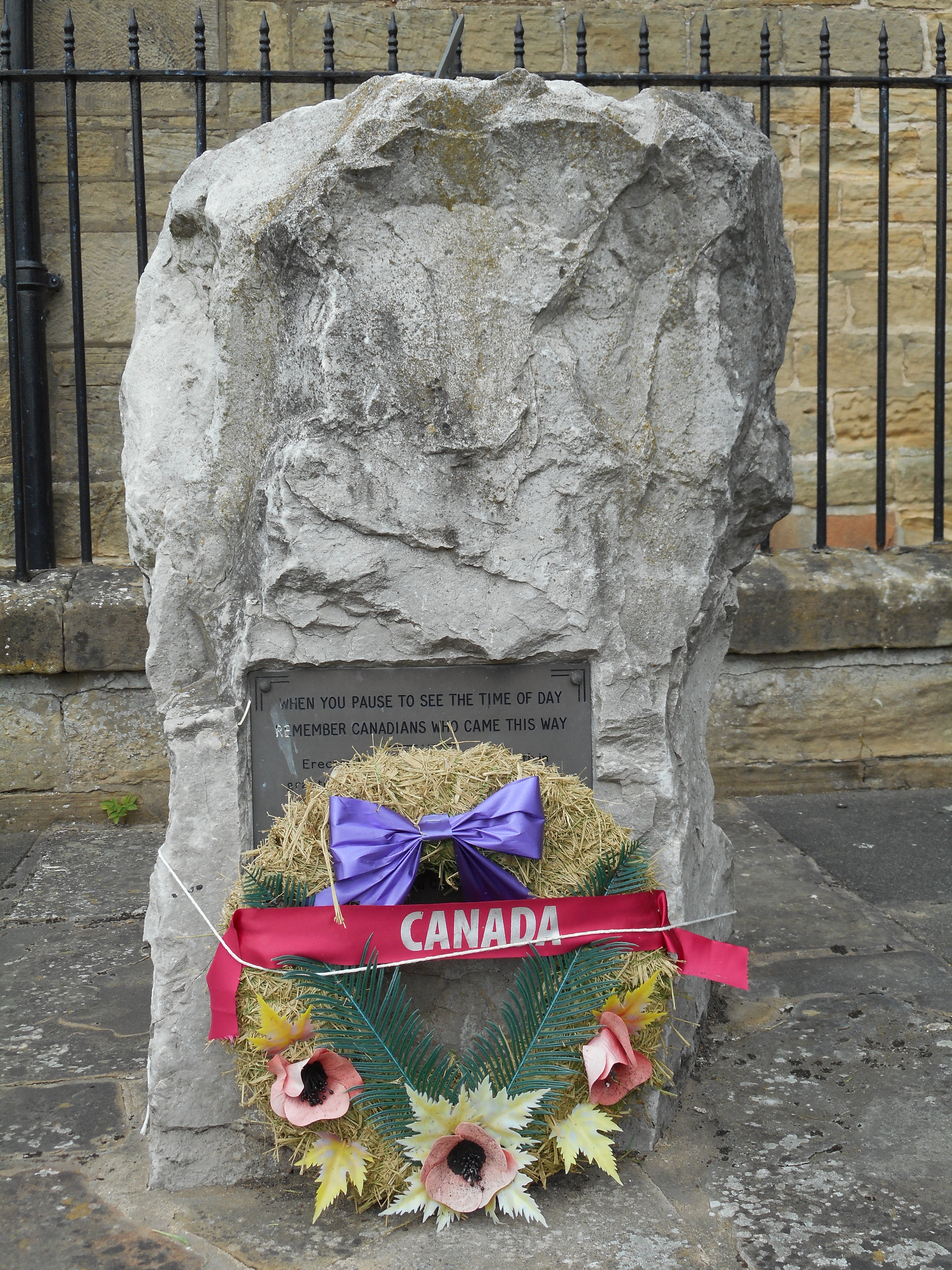
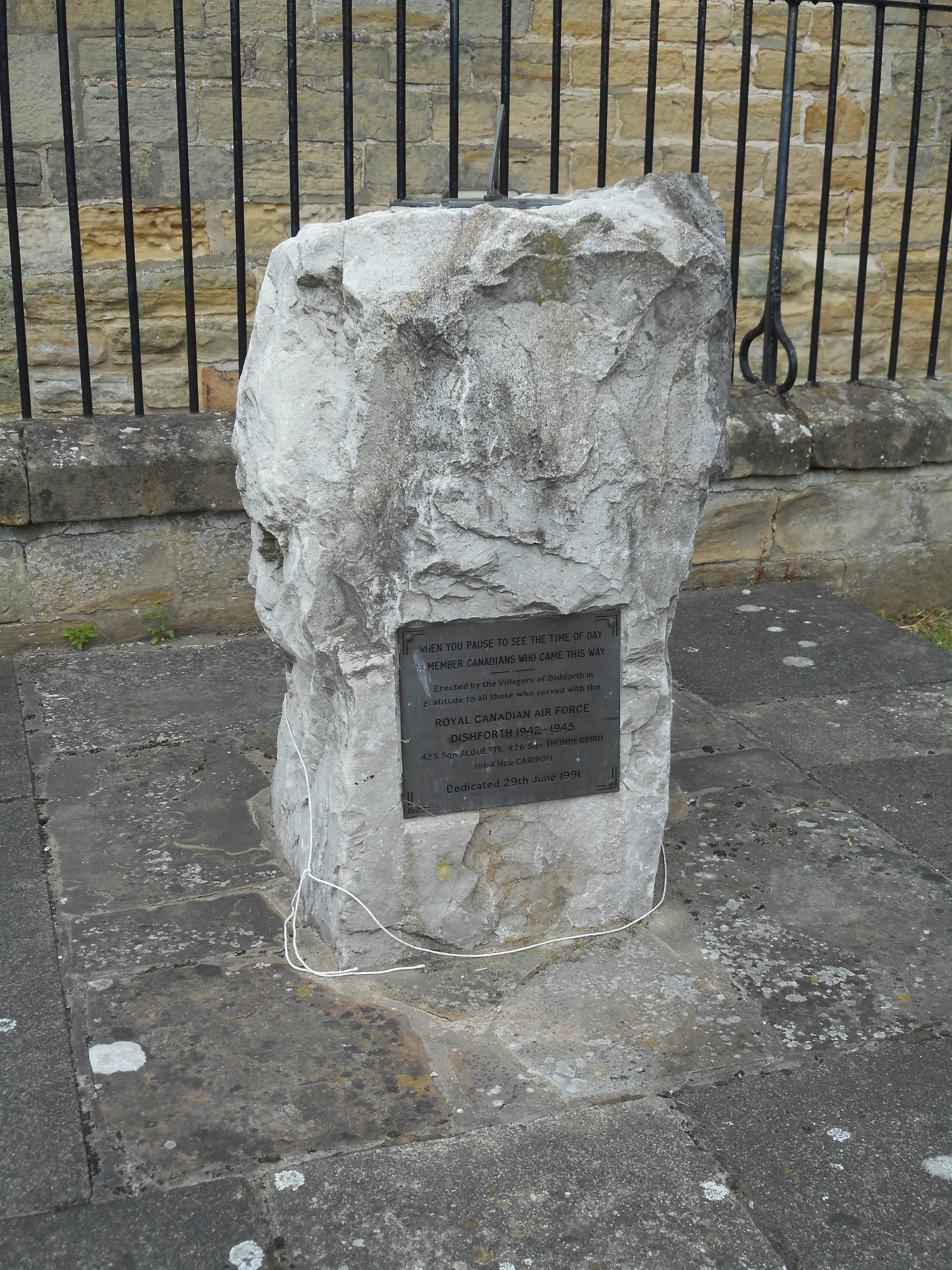
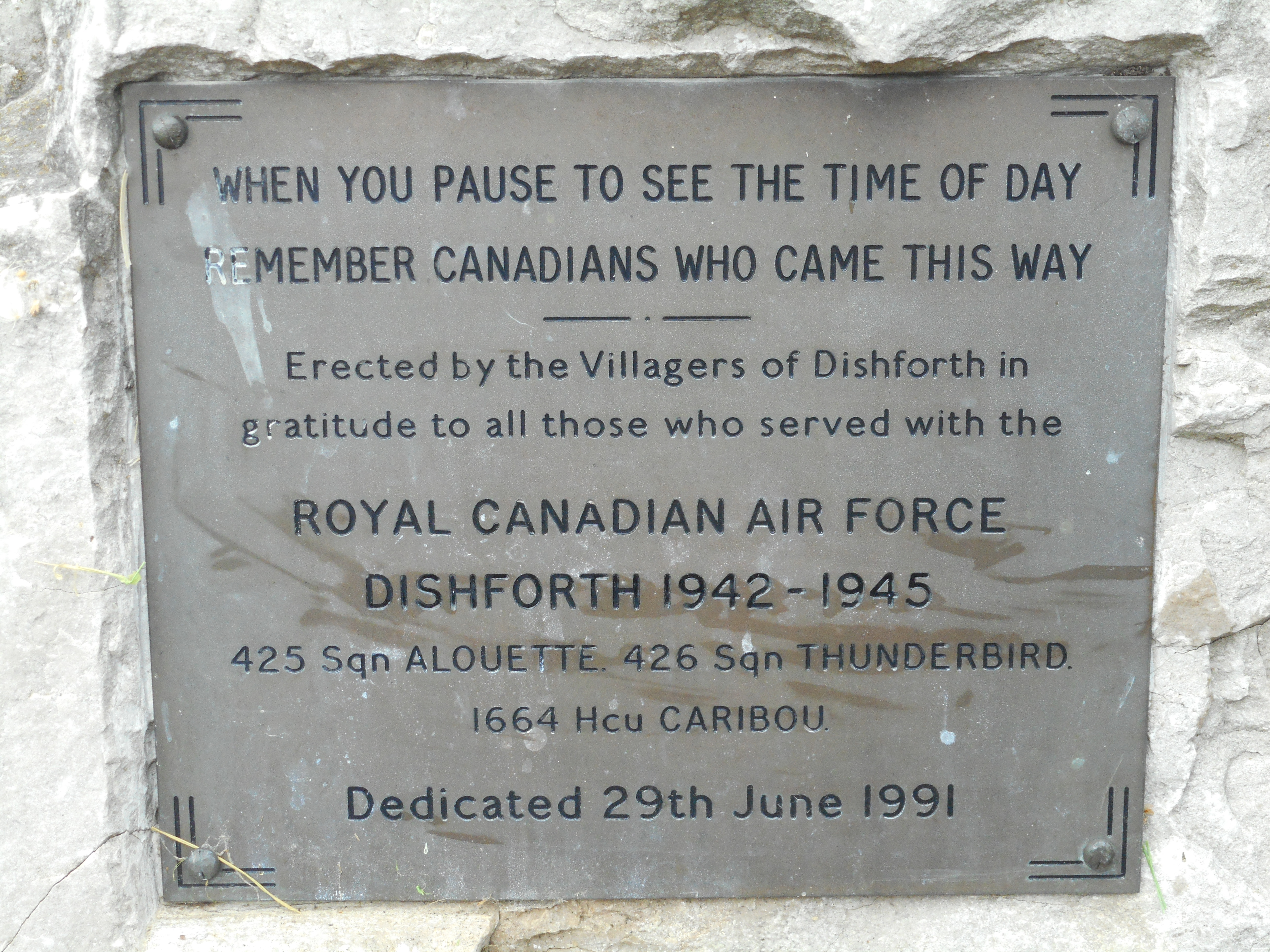
| Location | Adjacent to Village Hall, Dishforth, North Yorkshire |
| Country | United Kingdom |
| Memorial Type | Memorial Stone with Inscribed Metal Plaque & Maple Tree |
| Memorial Text | In memory of the Canadian aircrew of 425 and 426 Sqns RCAF who served at RAF Dishforth, 1942-1945 |
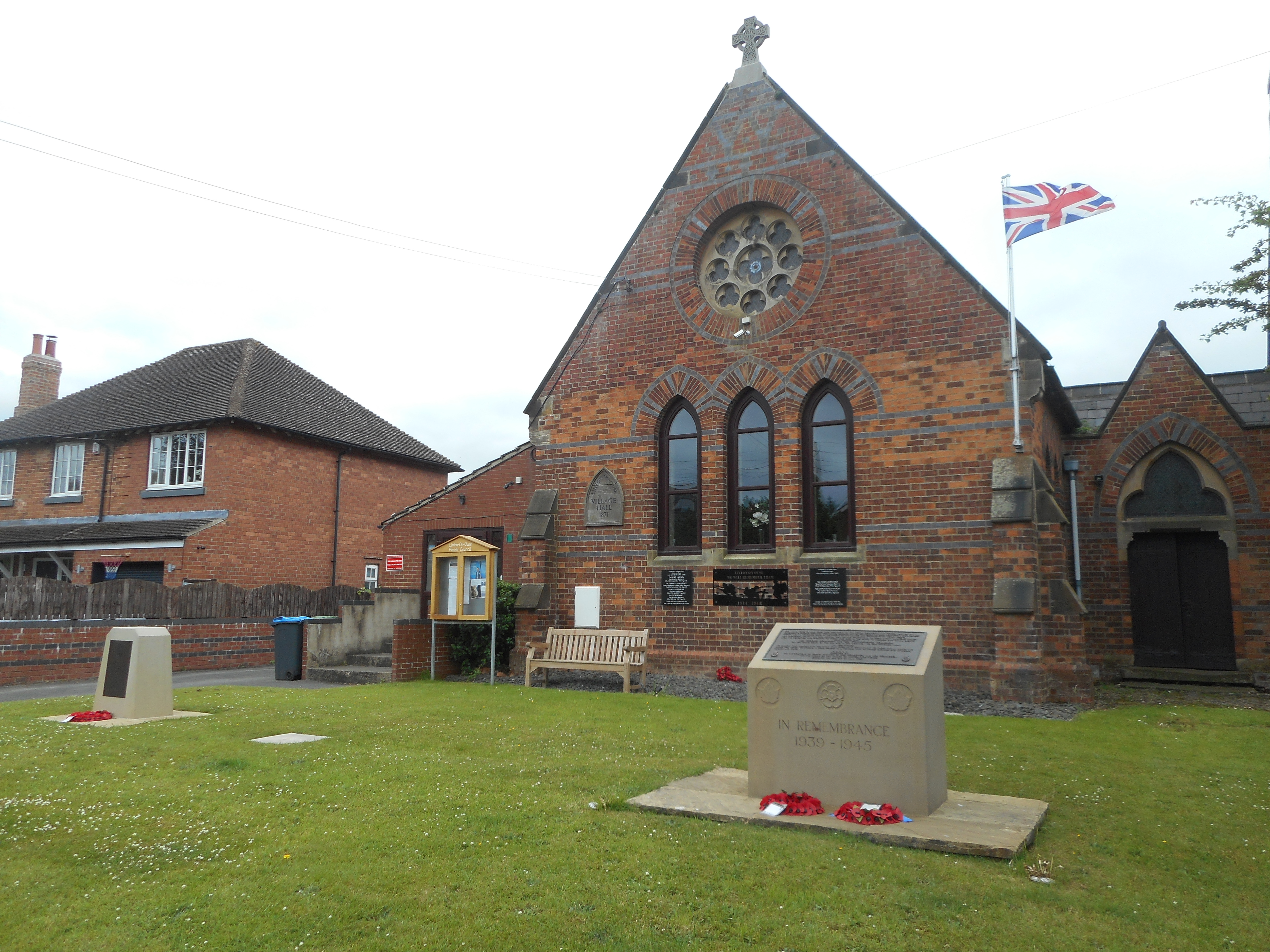
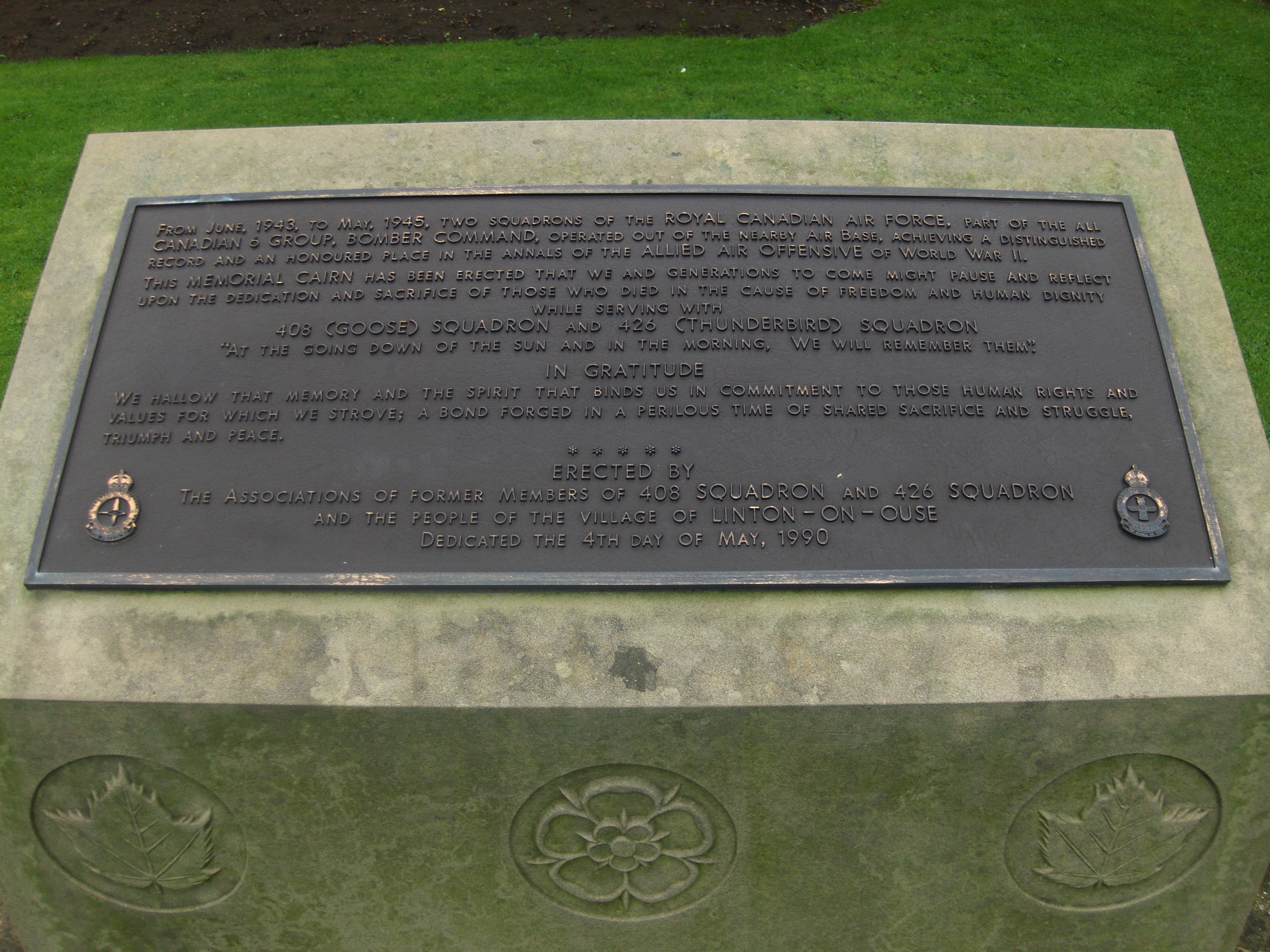
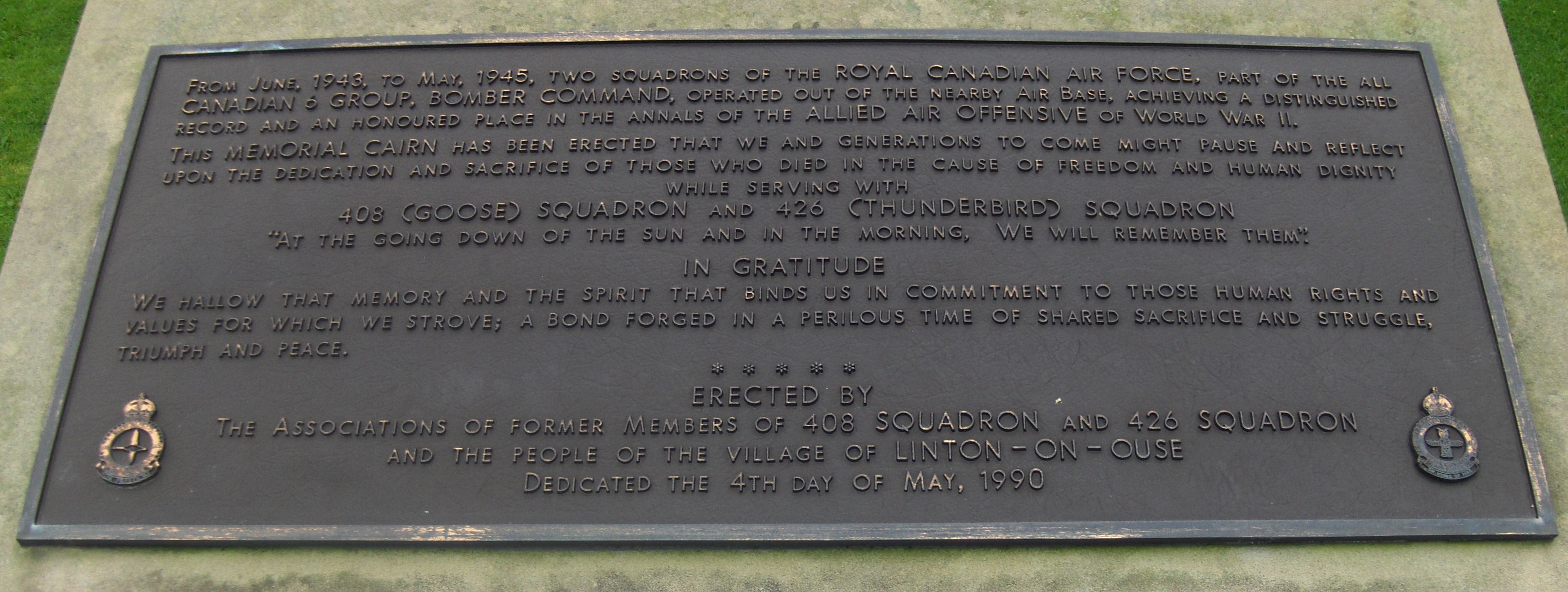
| Location | Outside Village Hall, Linton on Ouse, North Yorkshire |
| Country | United Kingdom |
| Memorial Type | Memorial Stone with inscribed Slate Tablet |
| Memorial Text | In memory of Canadian personnel who served at RAF Linton on Ouse during WW2, including 408 and 426 Sqns RCAF |
| Location | Allerton Park Castle, Allerton, North Yorkshire |
| Country | United Kingdom |
| Memorial Type | Inscribed Metal Plaque |
| Memorial Text | Memorial Garden dedicated to the 4272 personnel of 6 (RCAF) Gp based at Allerton Castle who gave the ultimate sacrifice during WWII to preserve our freedom |


| Location | Yorkshire Air Museum, Elvington, North Yorkshire |
| Country | United Kingdom |
| Memorial Type | Propeller Unit & Inscribed Marble Tablets |
| Memorial Text | Dedicated to the men & women of 6 (RCAF) Gp Bomber Command and to the 9980 Canadians lost serving in Bomber Command. |


Miscellaneous Information
| Tabor and his crew had only just arrived at 426 Squadron two weeks before, on 3 June 1944 after completing their Heavy Conversion training to four engine “heavies.” Tabor flew a couple of operations with more experienced pilots and crews as a second pilot or “second dickie”. Tabor’s first such flight came on the night of 5/6 June 1944. It was rather notable because the squadron’s task was to bomb a German coastal battery near Deauville in Normandy in support of the D-Day landings that would follow later that morning. He set out again that night as second pilot on an attack on key road, rail, and bridges near Counstances in the Contentin Peninsula. Their first “Op” as an entire crew came the following week on the night of 14/15 June as one of thirteen aircraft from 426 Squadron ordered to bomb rail facilities at St. Pol, near Arras, France. Flying in Halifax LK384 they dropped their bomb load on target at 0327 hours and returned to Linton without incident two hours later. Tabor described their first operation as a “good trip.” The next night,16/17 June, Tabor’s crew awaited the signal to take off again, this time in LK879. Their second trip would be more challenging than their first. This night would take them 370 miles from base, over occupied Europe to Germany’s industrial centre, the Ruhr. Take off was at 2306 hours. Flak was intense by the time Tabor approached the target area at approximately 01:20. They dropped their bomb load and cleared the target area without incident. LK879 was soon over Holland approaching the Dutch coast. Also flying that night was German night fighter pilot, Major Martin Drewes of Nachtjagdgeschwader 1 (NJG1). A highly decorated ace by 1944, Drewes would eventually destroy fifty-two aircraft including forty-three Bomber Command four engine heavies. On this night, Drewes had already shot down a Lancaster near Amsterdam, his 43rd confirmed claim, just after 0200. Ten minutes later he stalked LK879 as it approached the Dutch coast. It was all over at 0216 - Drewes had claimed his 44th victim. The stricken aircraft cleared the Dutch coast but soon afterwards crashed into the North Sea off the Frisian Islands. There were no survivors – the bodies of Tabor and the rest of the crew eventually washed ashore along the northern Dutch province of Friesland. Bomber Command lost thirty other aircraft that night. |
Commonwealth War Graves Commission
The National Archives
| Record of Events (Operational Record Book) AIR 27/1842/12 |
| Summary of Events (Operational Record Book) AIR 27/1842/12 |
Fellow Servicemen
Please note that this list gives all the losses aboard the quoted aircraft and occasionally these may have occurred on an earlier date when the aircraft was not itself lost. Please check the dates of death carefully.
| Name | Outcome |
|---|---|
| Doggett H (P/O) | Died |
| Hill L G (F/O) | Died |
| McQueen F E (P/O) | Died |
| Niles R E (P/O) | Died |
| Shannon G R G (F/O) | Died |
| Tabor J F E (F/O) | Died |
Last Operation Information
| Start Date | 16-06-1944 |
| End Date | 17-06-1944 |
| Takeoff Station | Linton-on-Ouse |
| Day/Night Raid | Night (16% moon) |
| Operation | Sterkrade to bomb a synthetic oil plant, despite a poor local weather forecast The target was indeed covered in thick cloud and the PFF markers were not easily visible. Bombing was scattered as a result and there was little impact on production. The bomber stream passed within 30 miles of the Tame Boar night-fighter beacon that was being used that night, resulting in large bomber losses on the approach. Total losses for the night were 31 aircraft (13.6%) although losses among certain squadrons were higher still- notably 77 Sqn which Lost 7 of its 23 aircraft (30.3%). |
| Reason for Aircraft Loss | Crashed off the Dutch coast |