BOWEN RJ
Bowen, Roland John Died
Personal Information
| Rank | P/O |
| Forename(s) | Roland John |
| Surname | Bowen |
| Gender | M |
| Age | 23 |
| Date of Death | 02-01-1944 |
| Next of Kin | Son of Roland Ames Bowen and Elizabeth May Bowen, of Bridgnorth, Shropshire. |
Aircraft Information
| Aircraft | Avro Lancaster III |
| Serial Number | JA925 |
| Markings | GT-L |
Memorial Information
| Burial/Memorial Country | United Kingdom |
| Burial/Memorial Place | Runnymede Memorial |
| Grave Reference | Panel 210. |
IBCC Memorial Information


| Phase | 2 |
| Panel Number | 134 |
Enlistment Information
| Service Number | 54028 |
| Service | Royal Air Force |
| Group | 8 |
| Squadron | 156 |
| Squadron Motto | We light the way |
| Trade | Flight Engineer |
| Country of Origin | United Kingdom |
Other Memorials
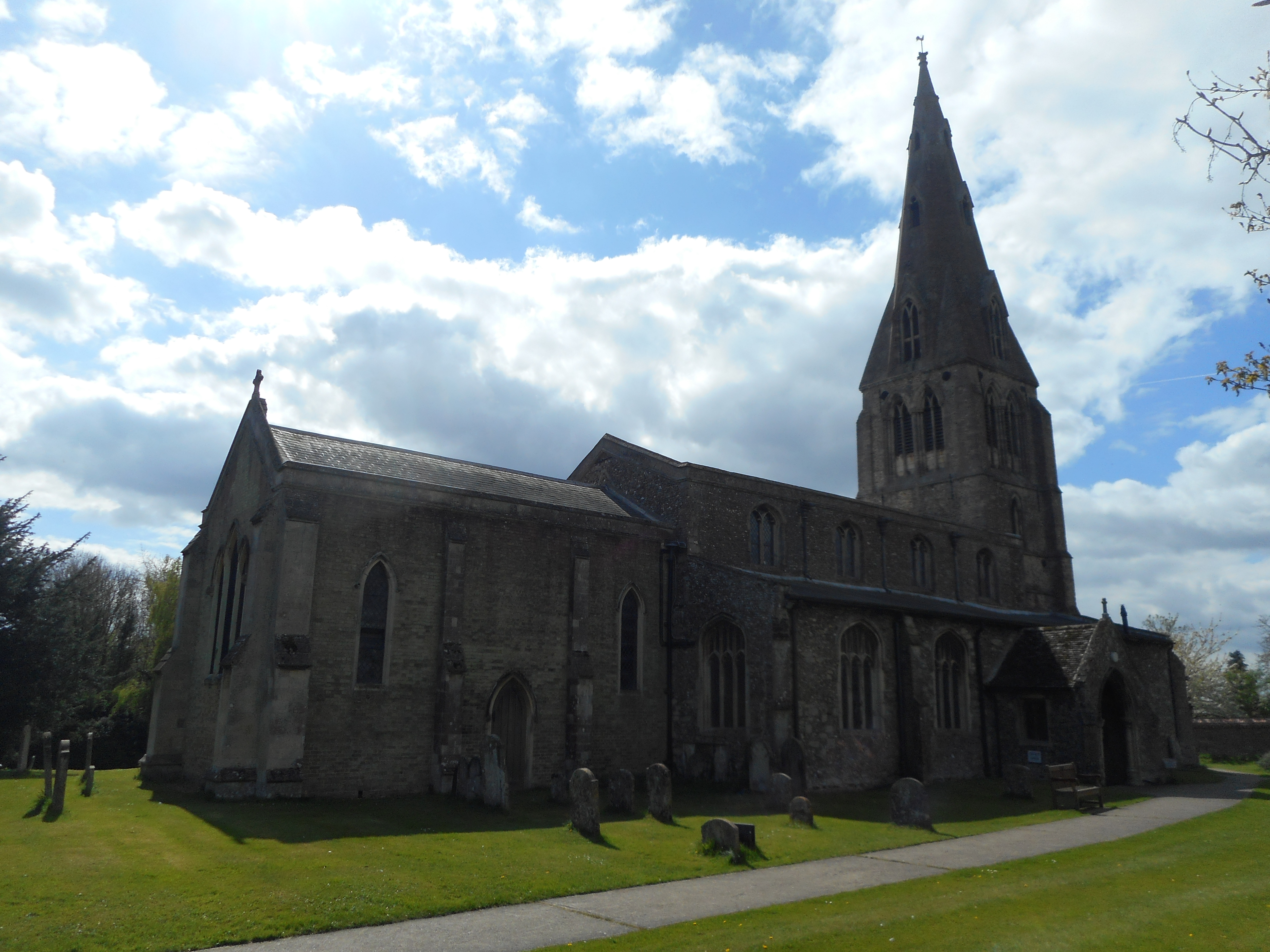
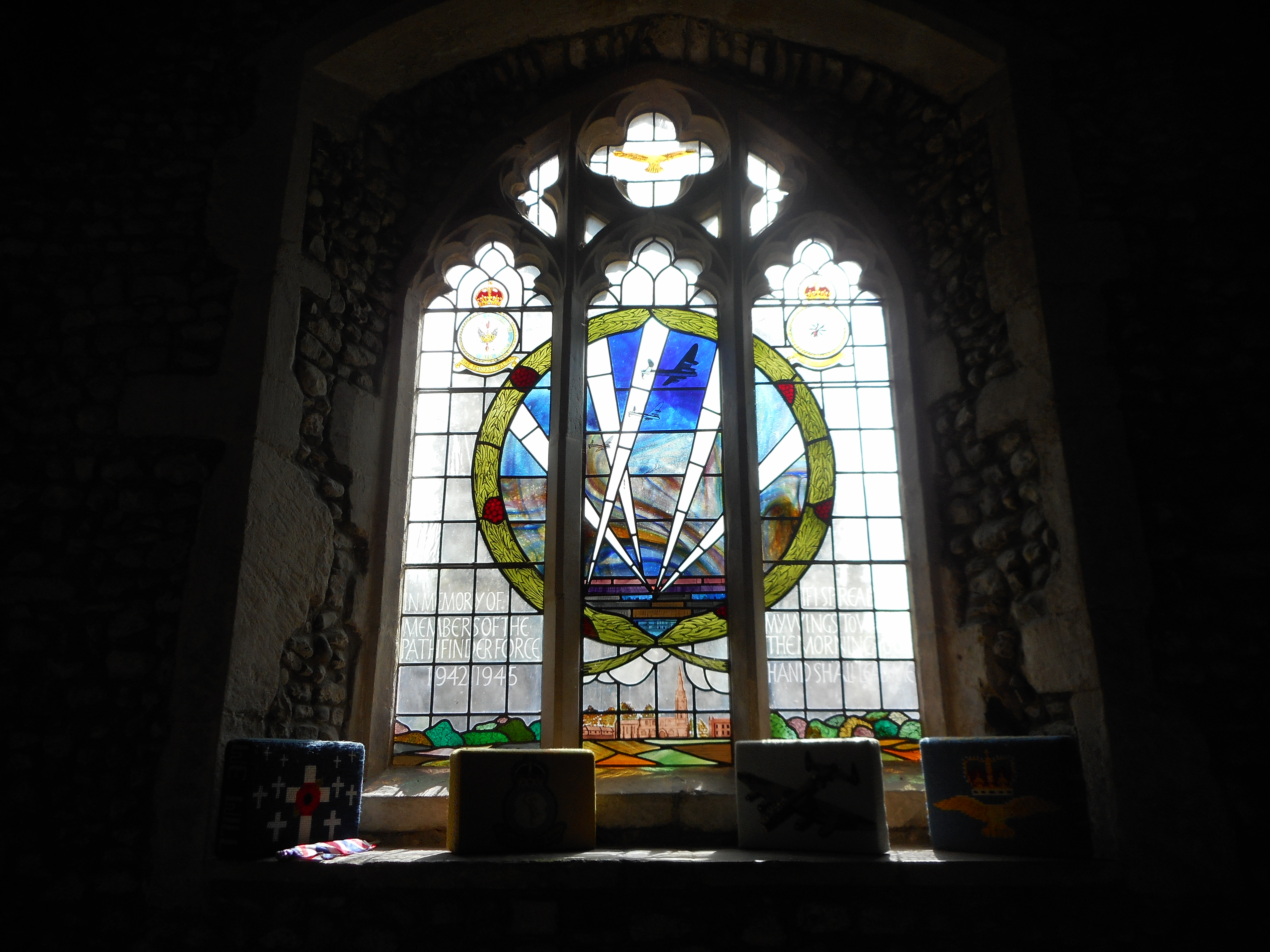
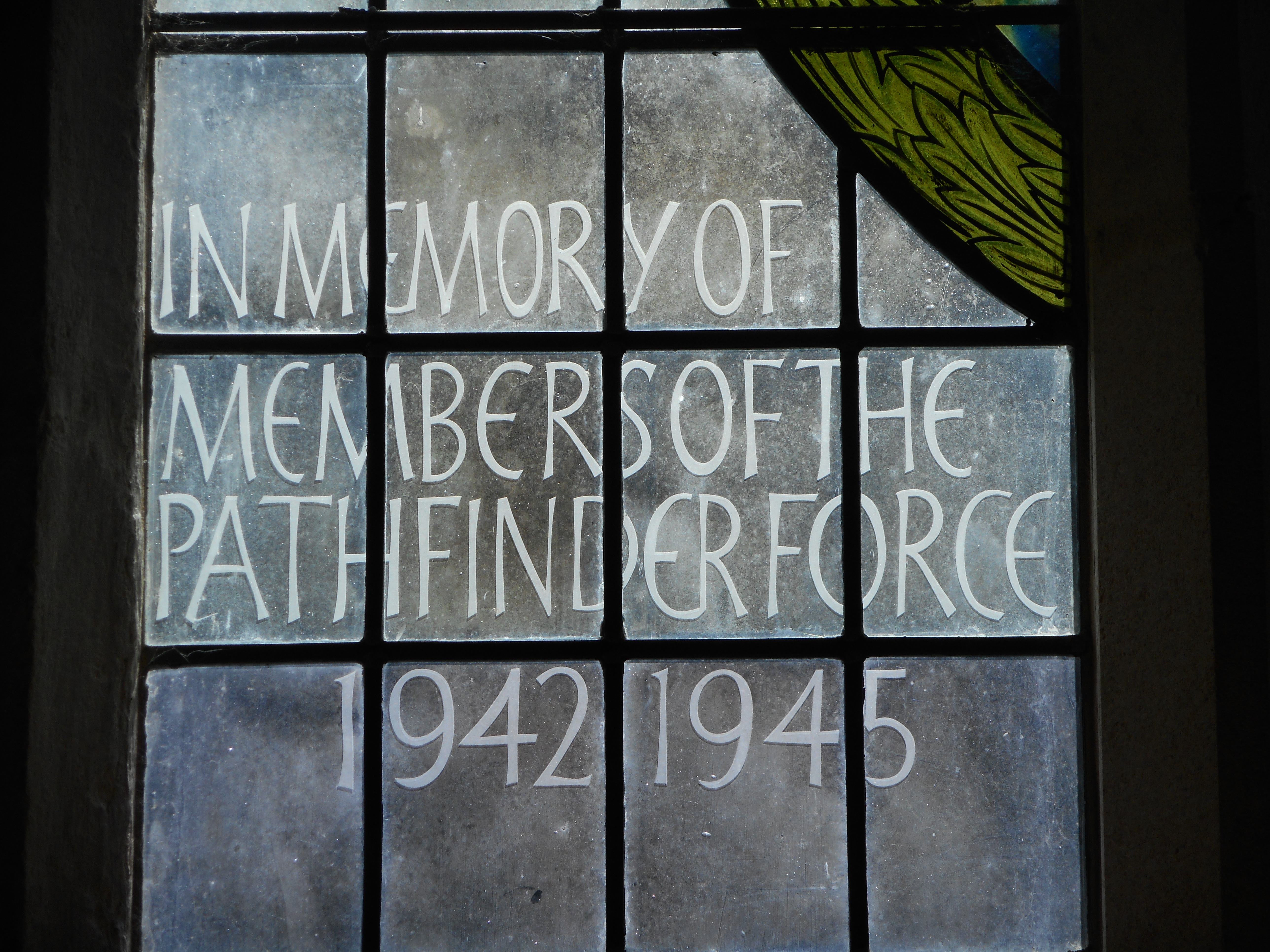
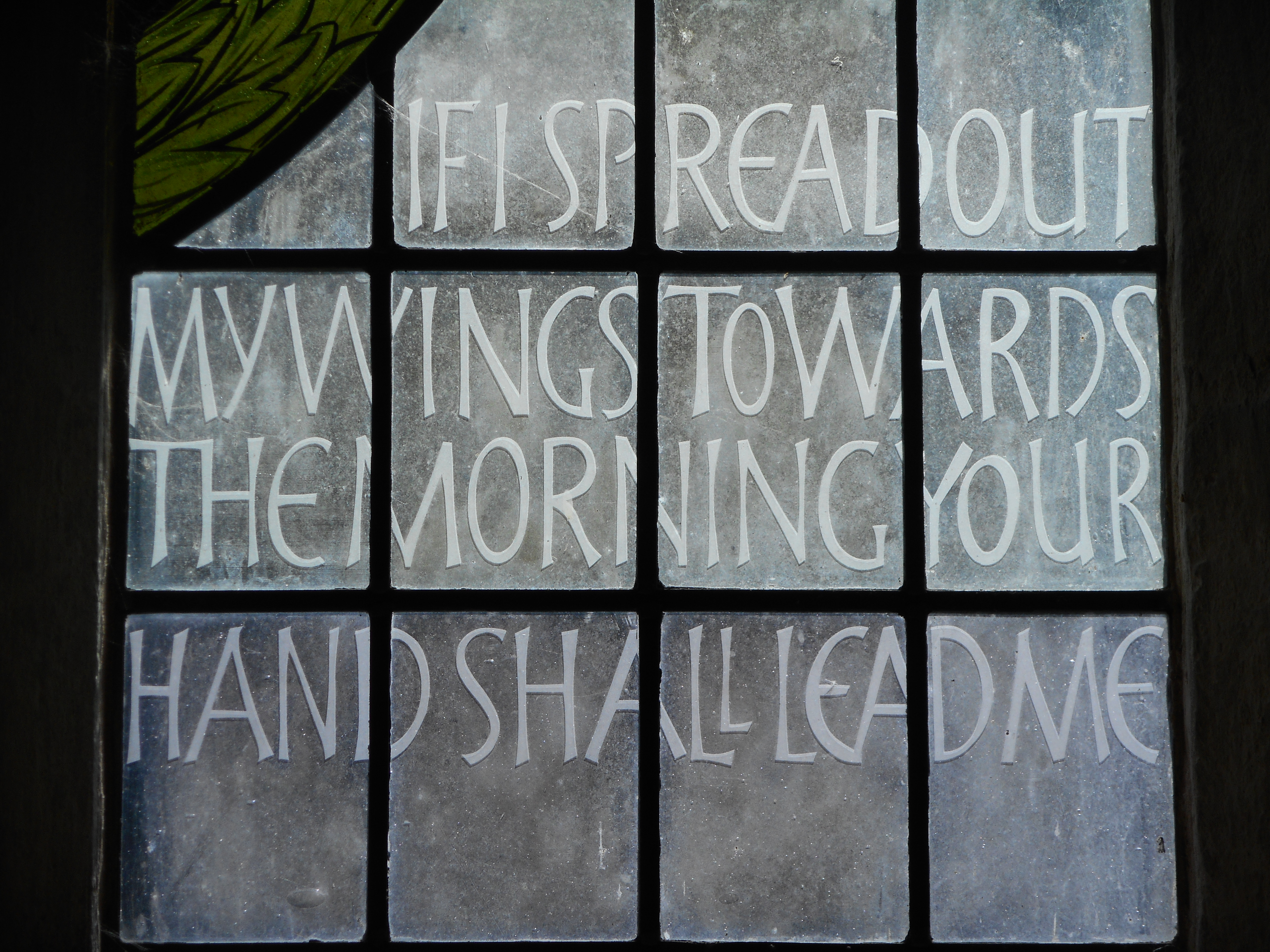
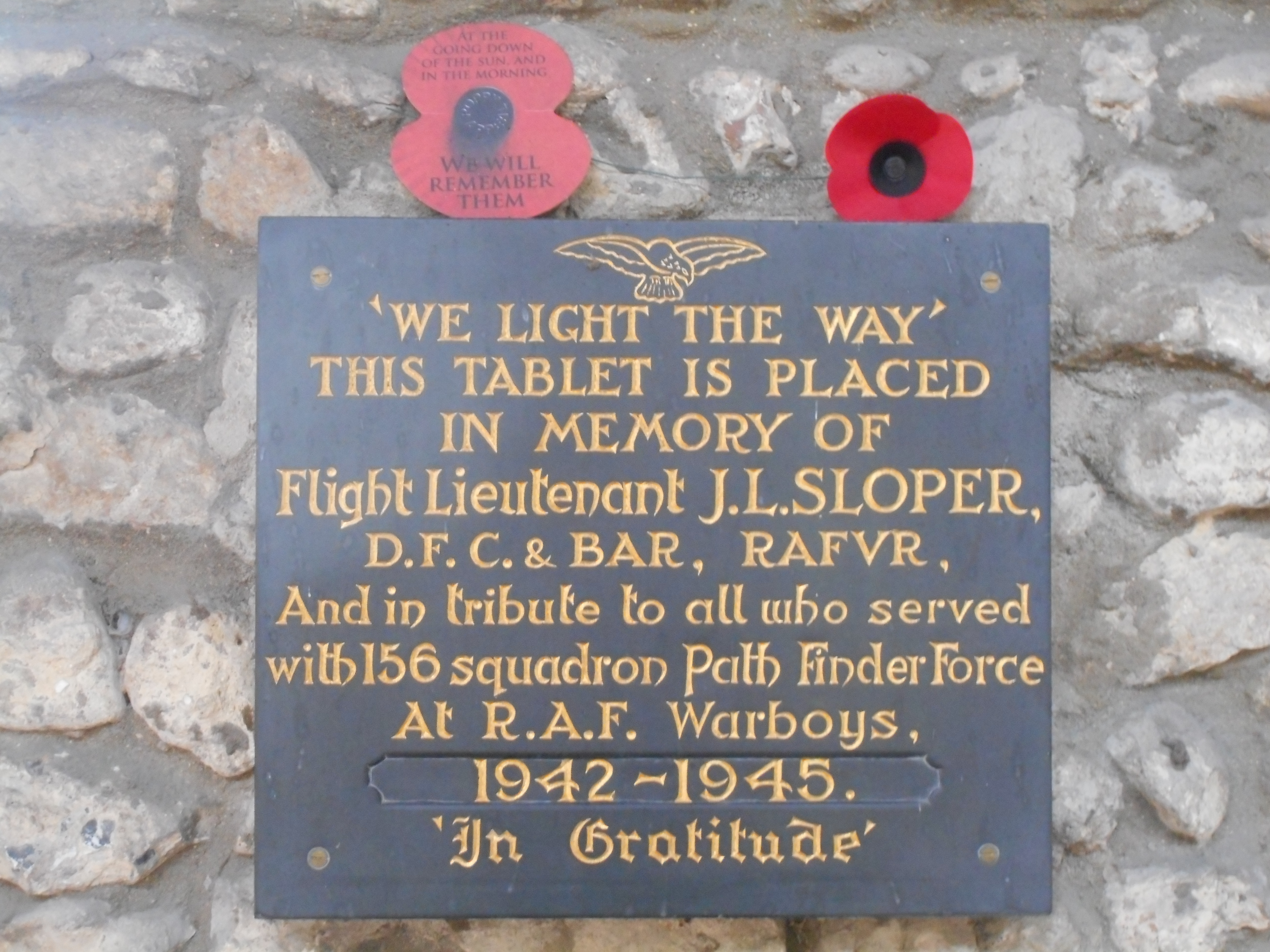
| Location | St. Mary Magdalene Church, Warboys, Cambridgeshire |
| Country | United Kingdom |
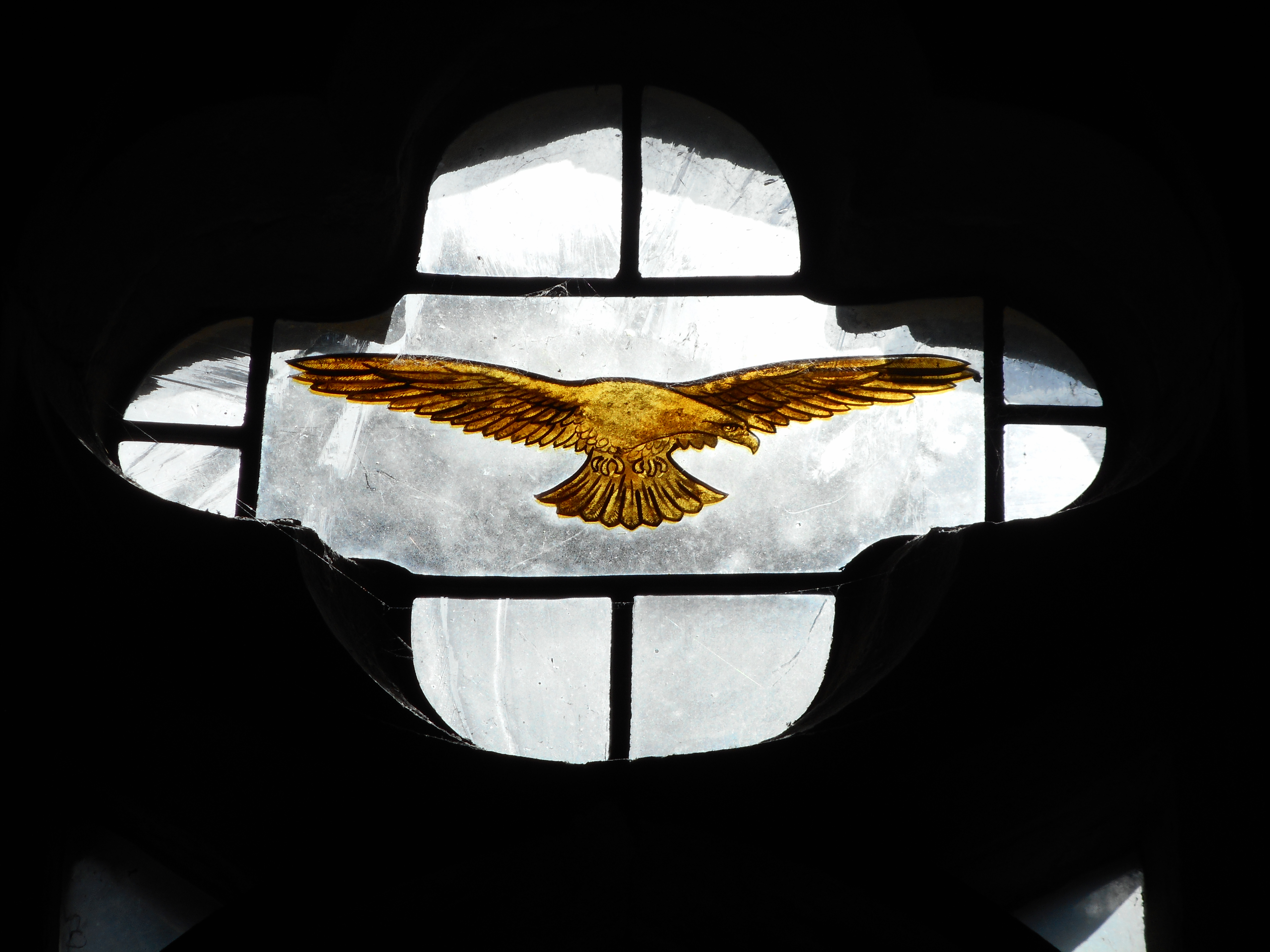
| Memorial Type | Stained Glass Window & Inscribed Slate Tablet |
| Memorial Text | We light the way" This tablet is placed in memory of Flight Lieutenant JL Sloper DFC and Bar, RAFVR. And in tribute to all who served with 156 Squadron Path Finders Force at RAF Warboys, 1942-1945, In gratitude. |
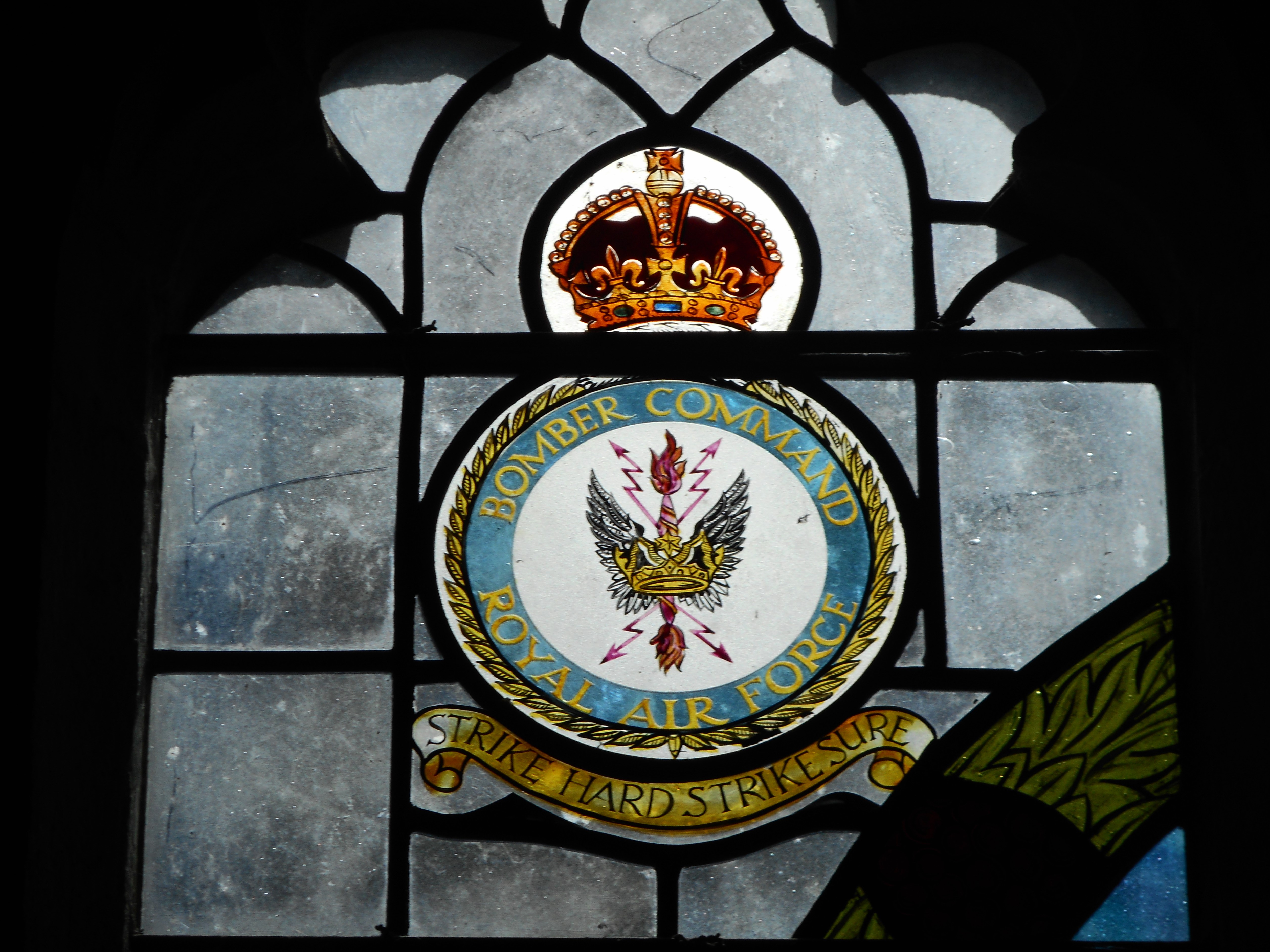
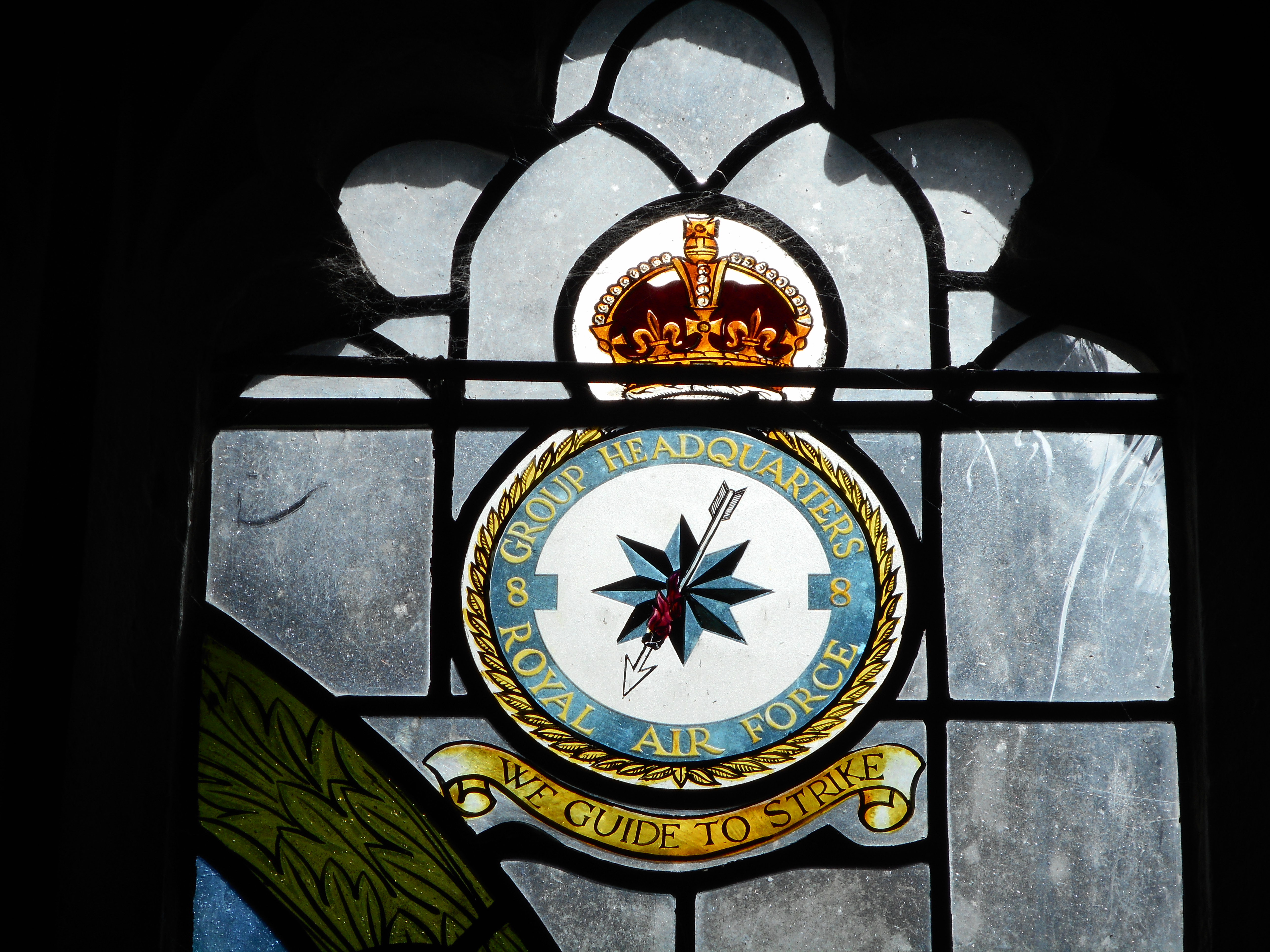
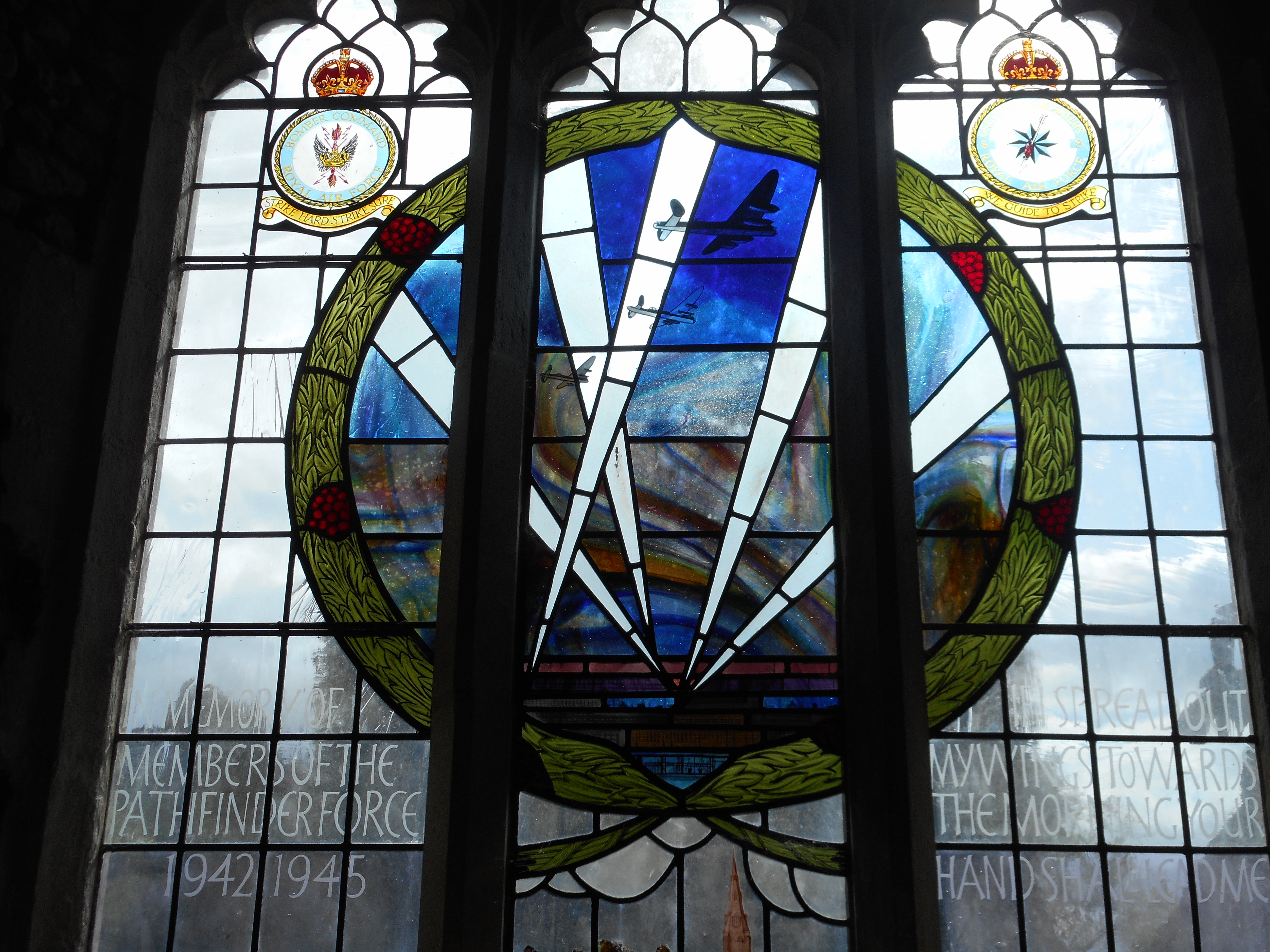
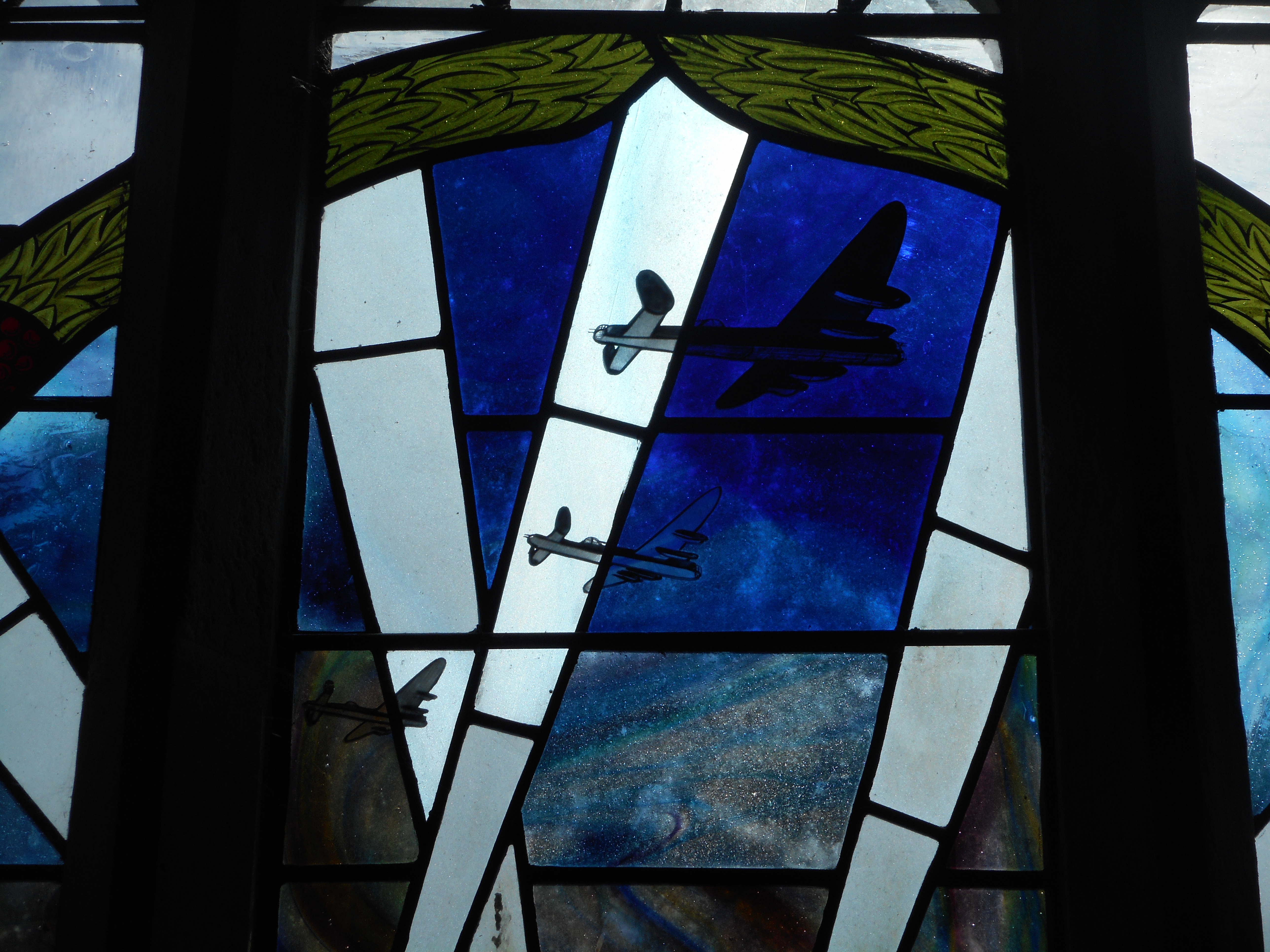
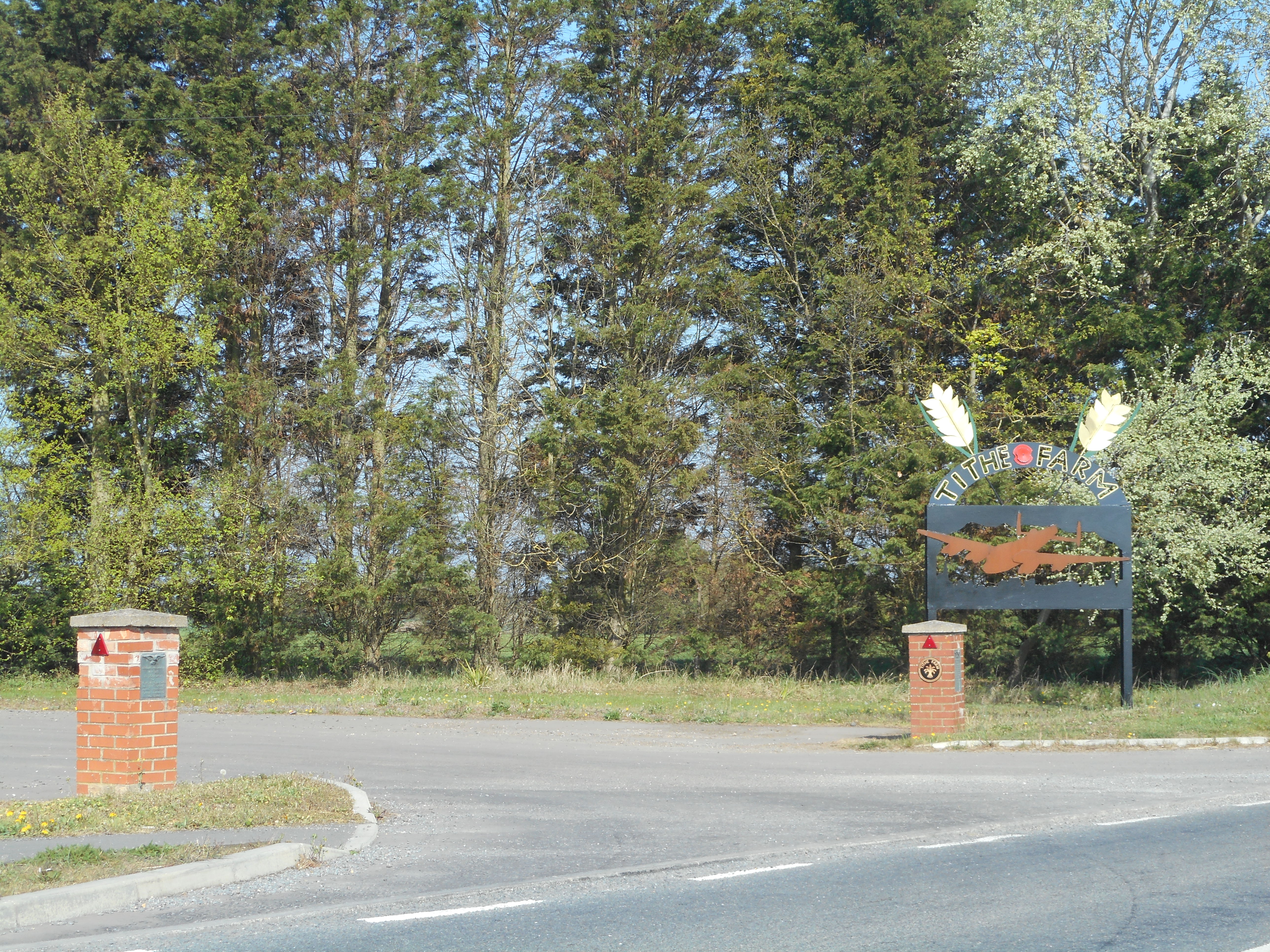
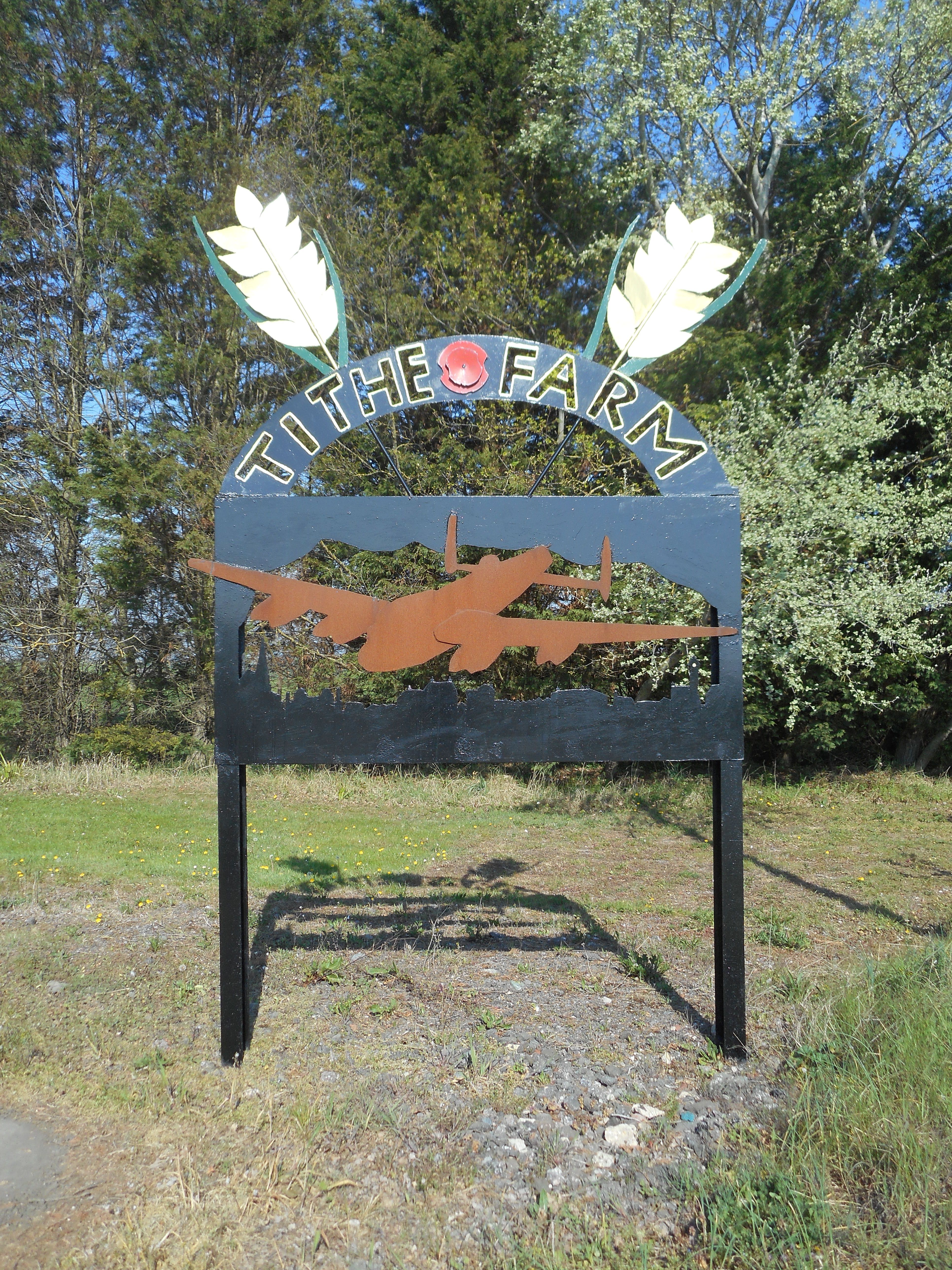
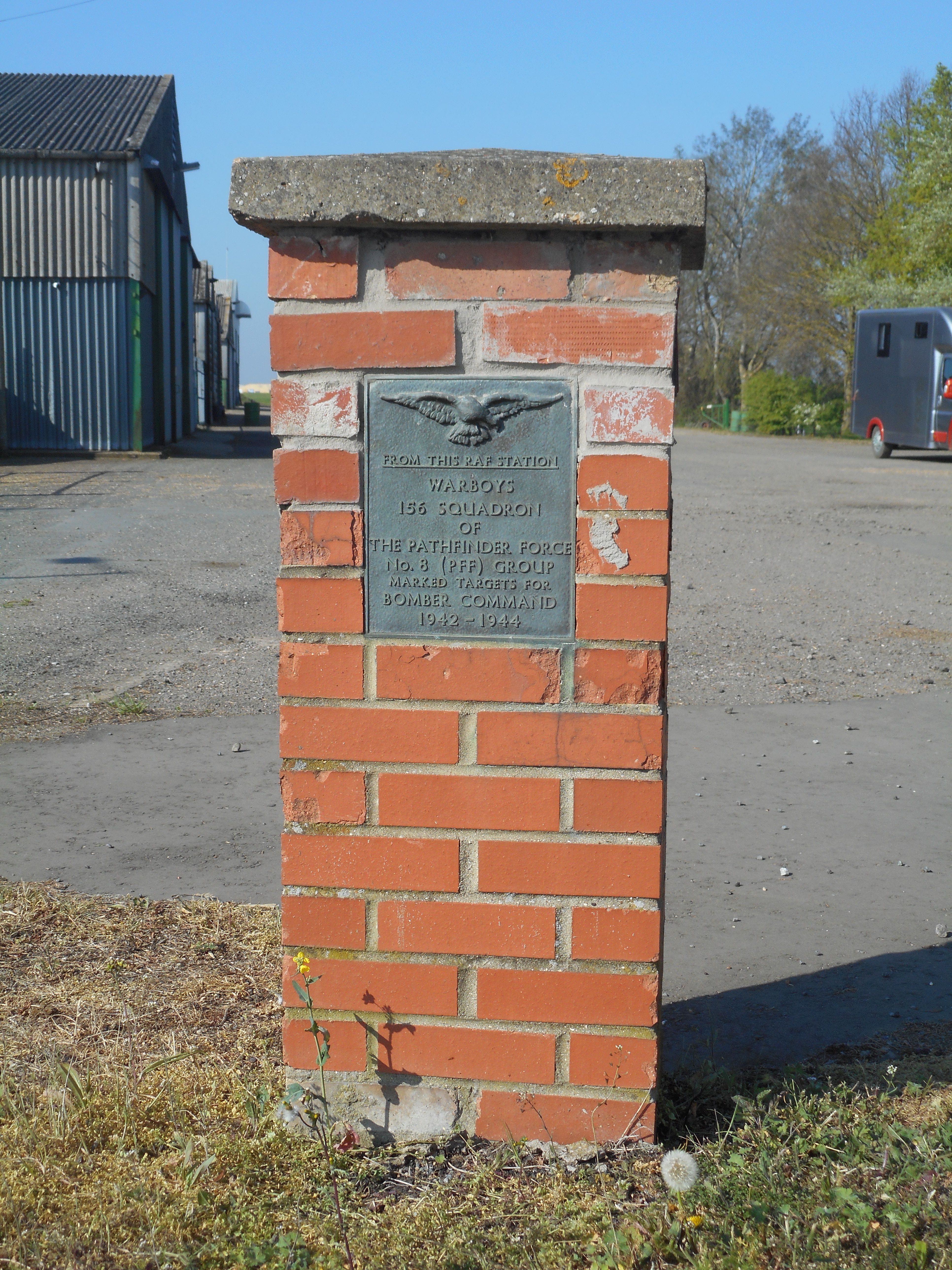
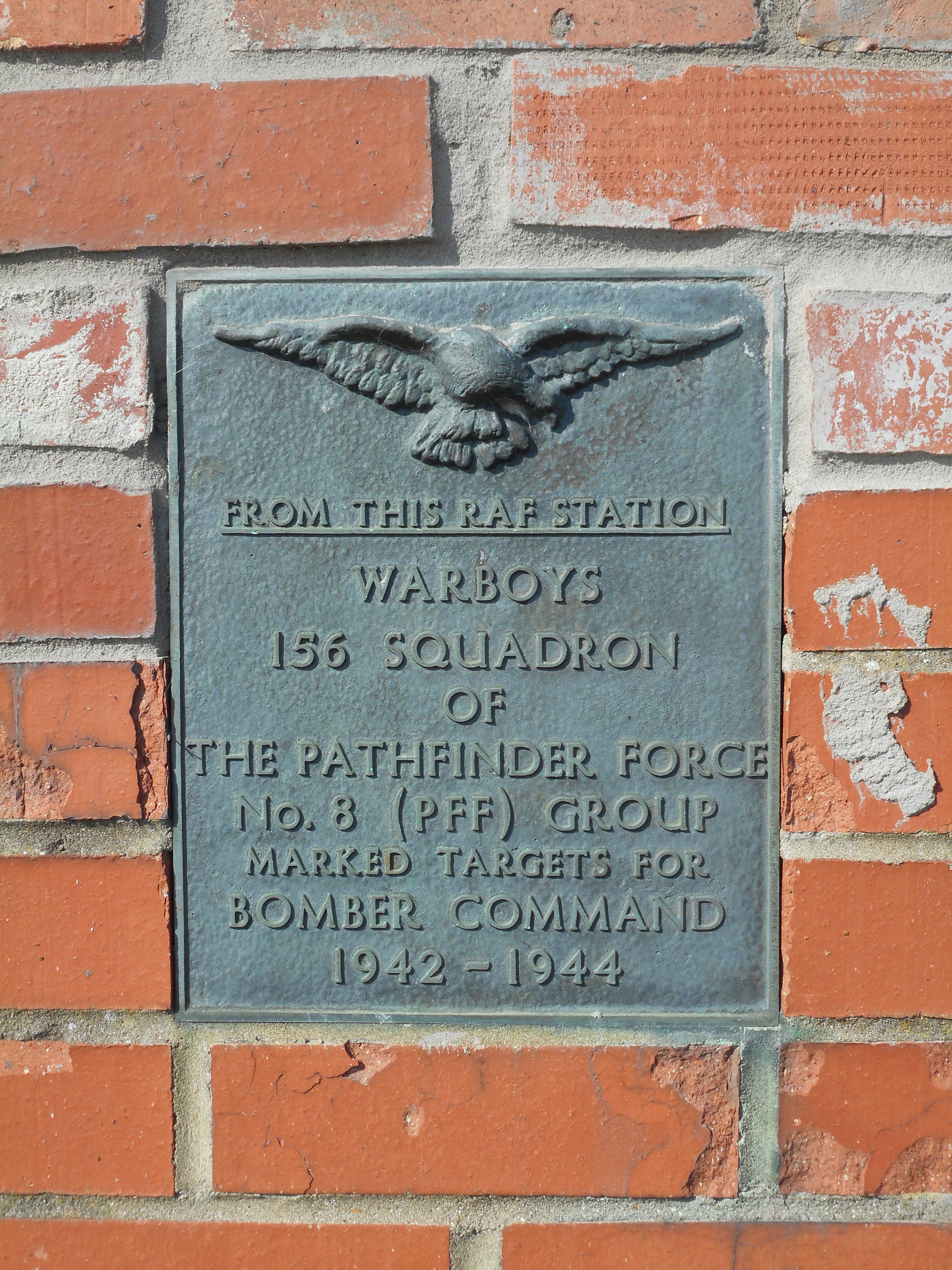
| Location | Tithe Farm, Warboys, Cambridgeshire |
| Country | United Kingdom |
| Memorial Type | Brick Pillars and inscribed Metal Plaques |
| Memorial Text | From this RAF Station Warboys 156 squadrons No 8 (PFF) group, marked targets for Bomber Command 1942-1944 |
Miscellaneous Information
| 156 Squadron lost four Lancasters on this operation. Not a single crew member survived |
| The bodies of six of the seven airmen were found and two identified as S/L Rowland and F/S Hinks but no burial details were recorded and sadly none of their remains were ever found. |
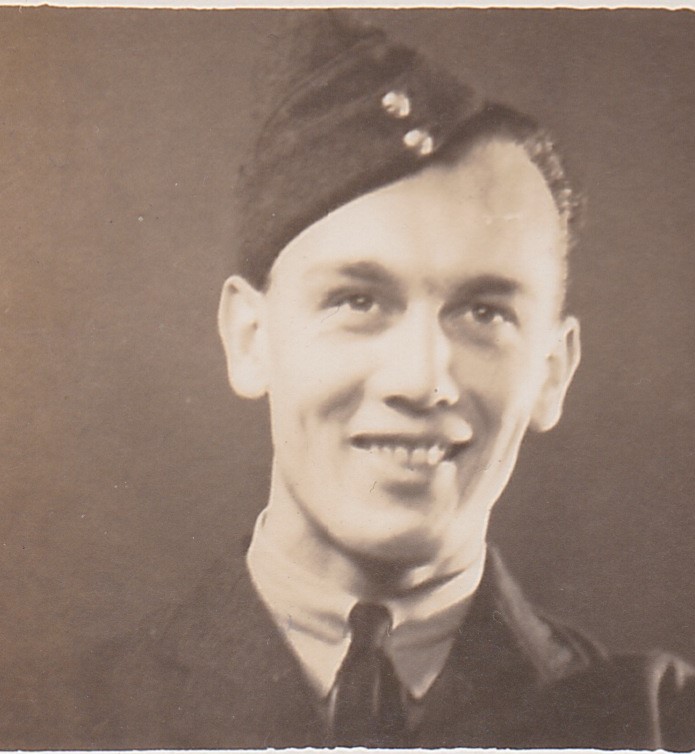
| Roland John Bowen was born on 13th July 1920 in Bridgnorth, Shropshire to Elizabeth May and Roland Ames Bowen. He was their first child, and known by his middle name, John. He had three younger siblings - Barbara, Charles, and Elizabeth. Their father was the mayor of Bridgnorth from 1934 to 1937. John went to Bridgnorth Grammar School, and showed much ability as a swimmer. During his time with the RAF, he won numerous swimming prizes. John joined RAF Halton’s engineering college as an Aircraft Apprentice in January 1937, aged 16. He left at the outbreak of war in September 1939, as an Aircraft Fitter. His first two postings were to Yorkshire based squadrons - 10 Squadron at RAF Dishforth, and then 242 Squadron at RAF Church Fenton. In spring 1940, John was transferred to the Fleet Air Arm. He joined 824 Naval Air Squadron, and served on HMS Eagle for 18 months. During his time with them, HMS Eagle was involved in many episodes in the Mediterranean. In Autumn 1940, John was hospitalised in Alexandria with Sandfly Fever - he was quite ill, and lost a lot of weight. In March 1941, John and his squadron were temporarily transferred to Port Sudan. Upon their return to HMS Eagle, they sailed around Africa, stopping at Mombasa, Durban, Cape Town and Freetown. In October 1941, HMS Eagle docked in Scotland, and John was disembarked to RNAS Machrihanish, where he remained for the next 14 months. John was always very enthusiastic about his 7 years of service, except perhaps for his time with the Fleet Air Arm. Fortunately, in December 1942, John went back to the RAF and began his training as a flight engineer. John had a great love for the RAF, and had always wanted to fly planes as a boy. Unfortunately, his eyesight was not completely perfect, which was why he could not be a pilot. John was trained at the No. 4 School of Technical Training, at RAF St Athan until the end of April 1943. During this time, he also completed a course at Avro’s factory. In May 1943, he went to 1656 Conversion Unit, RAF Lindholme. Then, he had a brief spell at 12 Squadron, RAF Wickenby. He completed his first 5 operational flights here. In July 1943, John was posted to 156 Squadron, at RAF Warboys. He completed 27 operational flights as a Pathfinder, all with the same crew. John often spoke of the wonderful comradeship of this crew, and was nicknamed ‘Lofty’ because of his height (6 ft 1). John also said their pilot, Squadron Leader Rowland Fawcett, was ‘a great guy and he would have gone anywhere with him’. John spent his last Christmas at home with his family. Just after this, the crew tragically lost their lives on a mission to Berlin on 2nd January 1944. John’s commission as Pilot Officer was posthumously confirmed in February 1944. |
The National Archives
| Record of Events (Operational Record Book) AIR 27/1042/2 |
| Summary of Events (Operational Record Book) AIR 27/1042/2 |
Fellow Servicemen
Please note that this list gives all the losses aboard the quoted aircraft and occasionally these may have occurred on an earlier date when the aircraft was not itself lost. Please check the dates of death carefully.
| Name | Outcome |
|---|---|
| Bell J (F/S) | Died |
| Fawcett R E (S/L) | Died |
| Headley G M (F/S) | Died |
| Hinks B C (F/S) | Died |
| Lyford P R (P/O) | Died |
| Vickers G (P/O) | Died |
Last Operation Information
| Start Date | 01-01-1944 |
| End Date | 02-01-1944 |
| Takeoff Station | Warboys |
| Day/Night Raid | Night (41% moon) |
| Operation | Berlin. 421 Lancasters, 28 losses (6.7%). German fighters were directed to the main bomber stream early in the approach and the German controller was not deceived by the Mosquito diversion on Hamburg. However, the night-fighters were not particularly effective over the target and the flak was also restricted in height due to their presence. Berlin was cloud covered once again and the sky-marking was not especially accurate. Bombing was scattered but mainly in the southern suburbs. Only 21 houses and one industrial building were destroyed and 79 people killed. |
| Reason for Aircraft Loss | Shot down and crashed at Dahlem, between Berlin and Potsdam |